
In a world defined by shifting geopolitical landscapes, the recent visit of Denmark’s Prime Minister, Mette Frederiksen (Social Democrats), and Greenland’s Prime Minister, Jens-Frederik Nielsen, to Paris holds significant weight. Meeting with French President Emmanuel Macron, the two leaders are navigating a period of unparalleled global volatility. Their discussions, which took place against the backdrop of escalating security concerns, particularly surrounding Russia’s actions in Europe, underscore the changing priorities of the Arctic and its geopolitical importance.
Europe and the United States: A United Front for Global Stability
Prime Minister Frederiksen’s remarks encapsulate a crucial realisation: the world order, as it has existed for decades, is no longer sustainable. Speaking at Sciences Po University in Paris, Frederiksen stated unequivocally that the current global framework is “a finished chapter” and will not be resurrected in its previous form. According to Frederiksen, the key to ensuring stability and facing modern challenges lies in strengthening the alliance between Europe and the United States, a sentiment shared across the Atlantic as Western nations struggle to maintain influence amidst rising powers like China and Russia.
In these turbulent times, Frederiksen’s call for transatlantic unity is more pressing than ever. The shared interests of Europe and the U.S. — whether in addressing climate change, strengthening economic ties, or countering Russian aggression — could shape the future of international relations. However, achieving this unity will require navigating deep internal divisions within Europe itself, including differing approaches to defence, economic policy, and energy transition.
Greenland’s Security Concerns: A Region Under Pressure
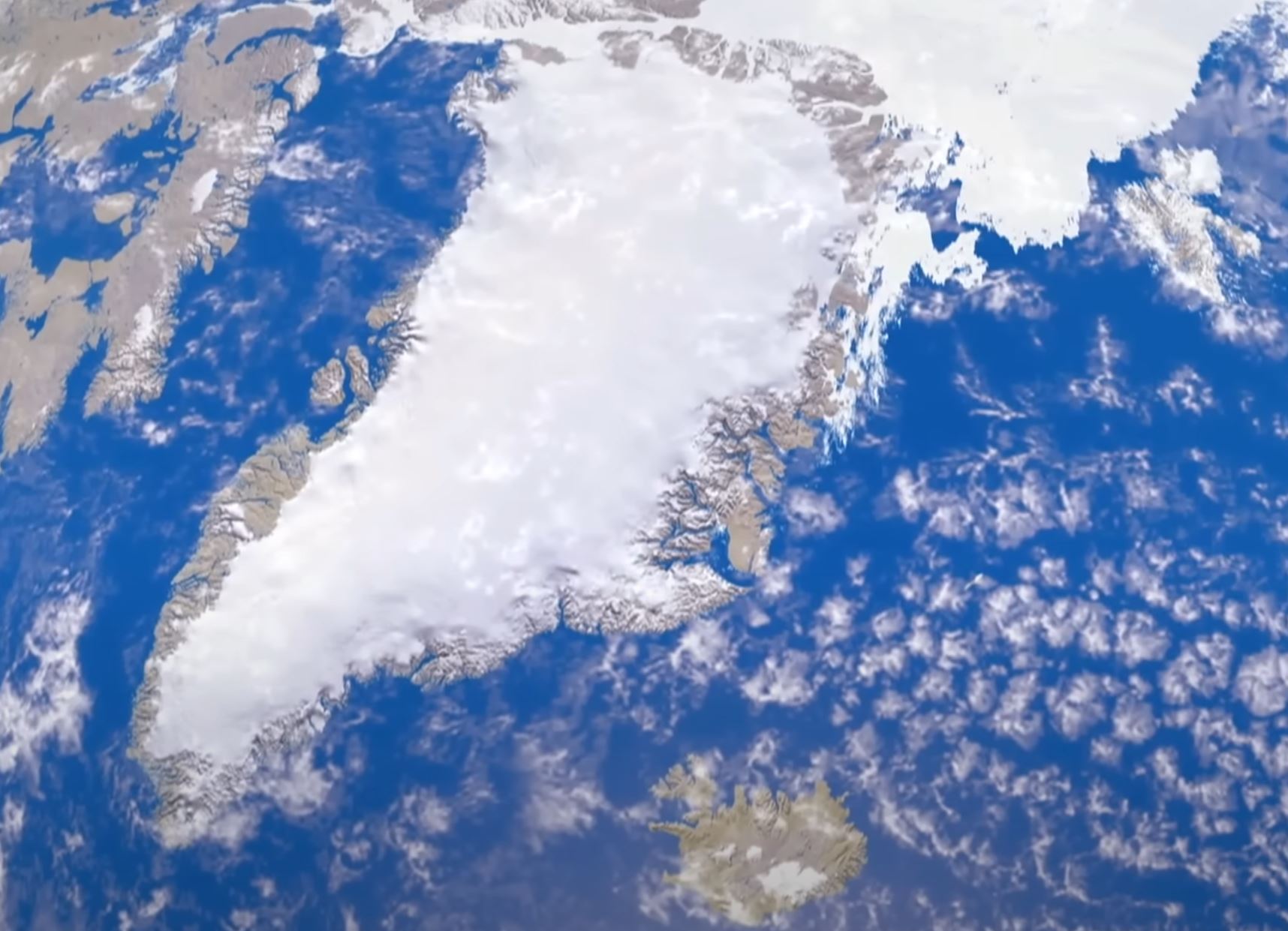
For Greenland, a vital strategic area in the Arctic, the situation is even more delicate. Prime Minister Jens-Frederik Nielsen did not shy away from addressing the mounting concerns within his territory. Amid growing tension between Russia and Western nations, Nielsen emphasized the increased pressure on Greenland and its people.
“We are under pressure, and our people are afraid and anxious,” Nielsen stated, highlighting the growing sense of insecurity felt by many Greenlanders. Yet, despite these challenges, Nielsen was adamant: Greenland would not succumb to external pressures. Instead, it would stand firm and defend its sovereignty, a stance that resonates deeply in the face of Russia’s increasing military activities in the Arctic region.
The increasing military presence in the Arctic is not just about geopolitical manoeuvring; it reflects broader concerns about territorial claims, access to natural resources, and strategic control over vital shipping lanes. Greenland, due to its strategic position, is rapidly becoming a focal point in the broader power struggles of the Arctic.
The Greenland Crisis: Strategic Interests and Global Power Plays
The situation surrounding Greenland continues to evolve, shaped by global powers’ differing interests. Former U.S. President Donald Trump’s repeated comments about the United States potentially purchasing Greenland underscored the island’s strategic significance. Trump’s rationale focused on the perceived threat from Russia and China in the region, viewing Greenland as a linchpin in controlling Arctic security. While Trump’s interest in Greenland was largely dismissed, it nonetheless highlighted the global importance of the island — and the underlying vulnerabilities that Greenland faces.
In response, Denmark has increased its military presence in Greenland, supported by contributions from other NATO members, including Sweden. This military buildup is part of an extensive exercise that will continue through 2026, reflecting both NATO’s and Denmark’s renewed focus on the Arctic region as a vital component of global security.
The geopolitical tug-of-war over Greenland’s future is far from over. Negotiations continue regarding its strategic value, with discussions between NATO Secretary General Mark Rutte and former U.S. President Trump alluding to a potential framework for a future agreement concerning the island. However, much of the details surrounding these talks remain shrouded in uncertainty, raising more questions than answers about Greenland’s role on the world stage.
One of the most contentious moments in recent months was the threat of a 10 percent tariff imposed by Trump on countries such as Sweden, in retaliation for their position on the Greenland issue. However, following diplomatic talks between Trump and Rutte, the tariff threat was withdrawn, signalling a potential de-escalation in trade tensions, though the underlying security concerns remain unresolved.
The Nordic Perspective: Where Do We Go From Here?
The visit by Frederiksen and Nielsen, along with their joint statements, underscores the increasing significance of Arctic security in the global discourse. As Russia’s actions continue to raise alarms, the Nordic nations, particularly Greenland, find themselves caught between larger geopolitical forces. It is clear that the future of Greenland, and indeed the entire Arctic, will play a crucial role in shaping European and global security.
For Nordic nations, this moment offers an opportunity to assert leadership on the world stage, driving the conversation on Arctic policy, security, and climate change. As the situation evolves, the need for clear, unified action will be critical — not just for the security of the Arctic, but for the stability of the broader international order.
What’s Next?
Stay tuned for our upcoming feature on the shifting dynamics of Arctic governance and the strategic role of Nordic countries in shaping future international security frameworks. We will also examine how the Arctic’s evolving role in global trade and energy policy will impact the business landscape in the Nordic region.
Connect with Us
For in-depth analysis and updates, follow our coverage on this ongoing story. Share your thoughts with us on social media or reach out to our editorial team for feedback or inquiries.