
Sweden’s financial inclusion crisis has entered a critical phase—but the narrative is shifting. While media reports two years ago highlighted a surge in forced account closures from 45,000 to 60,000 annually, the latest data reveals a more complex reality: bank-initiated terminations actually declined by approximately 14% in 2024–2025, falling from 60,851 to 52,400 cases. This correction matters profoundly for Nordic businesses navigating an increasingly fragmented financial landscape where access to basic payment services can determine commercial viability.
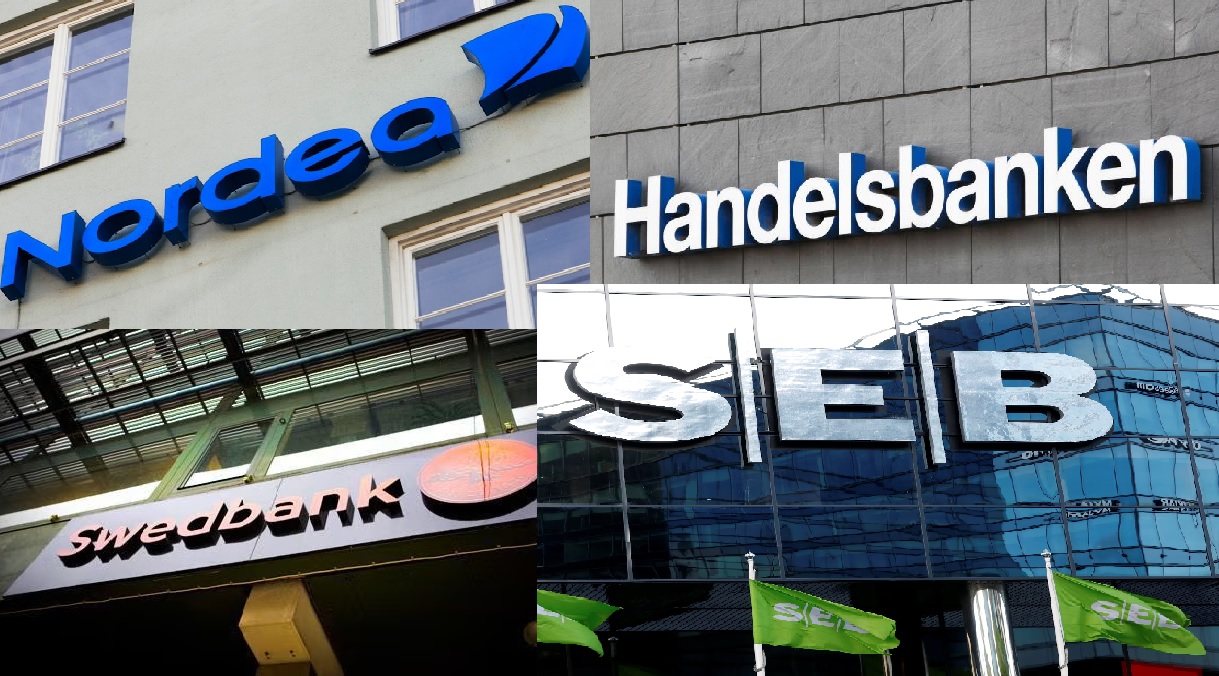
The Swedish Financial Supervisory Authority (Finansinspektionen) continues its intensive scrutiny into 2026, demanding that Handelsbanken, SEB, Nordea, and Swedbank demonstrate they are conducting individualized risk assessments rather than applying blanket exclusions. Malin Aspen, FI’s area manager for payments, remains unequivocal: “Today it is extremely problematic to live without access to payment accounts”—a statement that resonates even more acutely for entrepreneurs and SMEs whose entire operations depend on seamless payment infrastructure.
Beyond Sweden: A Nordic Regulatory Crossroads
The Swedish debate no longer exists in isolation. Across the Nordics, regulators face a fundamental tension between two imperatives:
1. AML/KYC compliance pressures intensified by EU directives and national anti-financial crime initiatives—including Sweden’s newly launched Financial Intelligence Centre, which has already closed 400 accounts since its November 2025 inception.
2. Financial inclusion mandates under the EU Payment Accounts Directive, which guarantees citizens the right to a basic payment account regardless of financial circumstances.
This tension manifests differently across the region. Norway’s Financial Supervisory Authority has intensified focus on payment service accessibility amid branch closures, while Denmark’s Finanstilsynet emphasizes proportionality in risk assessments for SMEs in sensitive sectors. Finland’s Financial Supervisory Authority (FIN-FSA) has launched targeted guidance for payment service providers serving immigrant entrepreneurs—a growing demographic facing disproportionate account denials.
The ESG Exclusion Wave: Nordic Banks’ Unspoken Filter
While U.S. regulators spotlight “value-driven debanking” targeting oil/gas, firearms, and adult entertainment sectors, Nordic institutions operate under a more subtle but equally consequential filter: climate-aligned exclusion policies. Handelsbanken’s 2022 commitment to end financing for companies expanding oil and gas production exemplifies this trend. Nordea, SEB, and Swedbank have implemented similar sectoral exclusions under their sustainability frameworks.
For Nordic businesses, the implication is stark: operating in carbon-intensive sectors—even legally compliant ones—increasingly triggers payment account terminations not because of criminal risk, but because of misalignment with banks’ net-zero transition pathways. This creates a de facto financial barrier for legitimate industries undergoing decarbonisation, particularly affecting SMEs in logistics, manufacturing, and agriculture that lack the resources to rapidly restructure operations.
The Business Impact: Three Critical Vulnerabilities
Our analysis identifies three business segments facing acute debanking risks in 2026:
– Cross-border SMEs: Companies with international supply chains face heightened scrutiny due to perceived money laundering risks, particularly those trading with jurisdictions on EU high-risk lists—even when transactions are fully documented and compliant.
– Digital asset-adjacent businesses: Nordic fintechs facilitating crypto on-ramps, blockchain infrastructure, or tokenized assets report systematic account closures despite operating within regulatory frameworks—a chilling effect on innovation.
– Cash-intensive sectors: Hospitality, construction subcontractors, and seasonal tourism businesses face disproportionate closures due to transaction pattern analysis algorithms that flag legitimate cash-flow volatility as suspicious activity.
Regulatory Divergence: Lessons from Transatlantic Responses
The U.S. Office of the Comptroller of the Currency (OCC) released comprehensive preliminary findings in December 2025 confirming that major banks restricted accounts for value-based rather than risk-based reasons between 2020–2023. The UK has taken concrete legislative action: new regulations effective June 2025 mandate 90-day minimum notice periods before payment account terminations, giving businesses critical runway to secure alternatives.
The EU is advancing parallel reforms. In December 2025, European Parliament and Council negotiators reached provisional agreement on modernized Payment Services Directive rules that will strengthen consumer protections against arbitrary account closures. Nordic regulators now face pressure to implement these standards ahead of the 2027 transposition deadline—creating both compliance challenges and opportunities for banks that proactively redesign their termination protocols.
Strategic Implications for Nordic Business Leaders
Forward-looking Nordic enterprises should consider three strategic adaptations:
1. Diversify banking relationships: Maintain primary accounts with traditional banks while establishing relationships with specialised payment institutions (PIs) and electronic money institutions (EMIs) less constrained by legacy risk frameworks.
2. Document operational legitimacy proactively: SMEs in sensitive sectors should maintain auditable trails demonstrating regulatory compliance, beneficial ownership transparency, and ESG transition plans—anticipating banks’ due diligence requirements before they trigger account reviews.
3. Engage sector associations: Collective advocacy through organisations like Svenskt Näringsliv, NHO (Norway), and DI (Denmark) has proven effective in shaping regulatory guidance on proportionate risk assessment—a lesson from successful interventions in the iGaming sector’s banking access crisis.
Looking Ahead: Our Next Investigation
This article is the first in our Nordic Financial Access Series. In our next edition, we will investigate the emerging “shadow banking” ecosystem filling the void left by traditional institutions—including specialised payment institutions, blockchain-based settlement networks, and cross-border fintech partnerships reshaping Nordic commerce. We’ll analyse which alternatives offer genuine regulatory safety versus unproven models carrying hidden risks.
Connect with us: Are you a Nordic business leader who has experienced account closure challenges? Share your insights confidentially with our editorial team at insights@nordicbusinessjournal.com. Your experiences will inform our ongoing investigation and help shape policy dialogue across the region.
— Nordic Business Journal: Advancing Nordic commerce through rigorous analysis and forward-looking insight.