
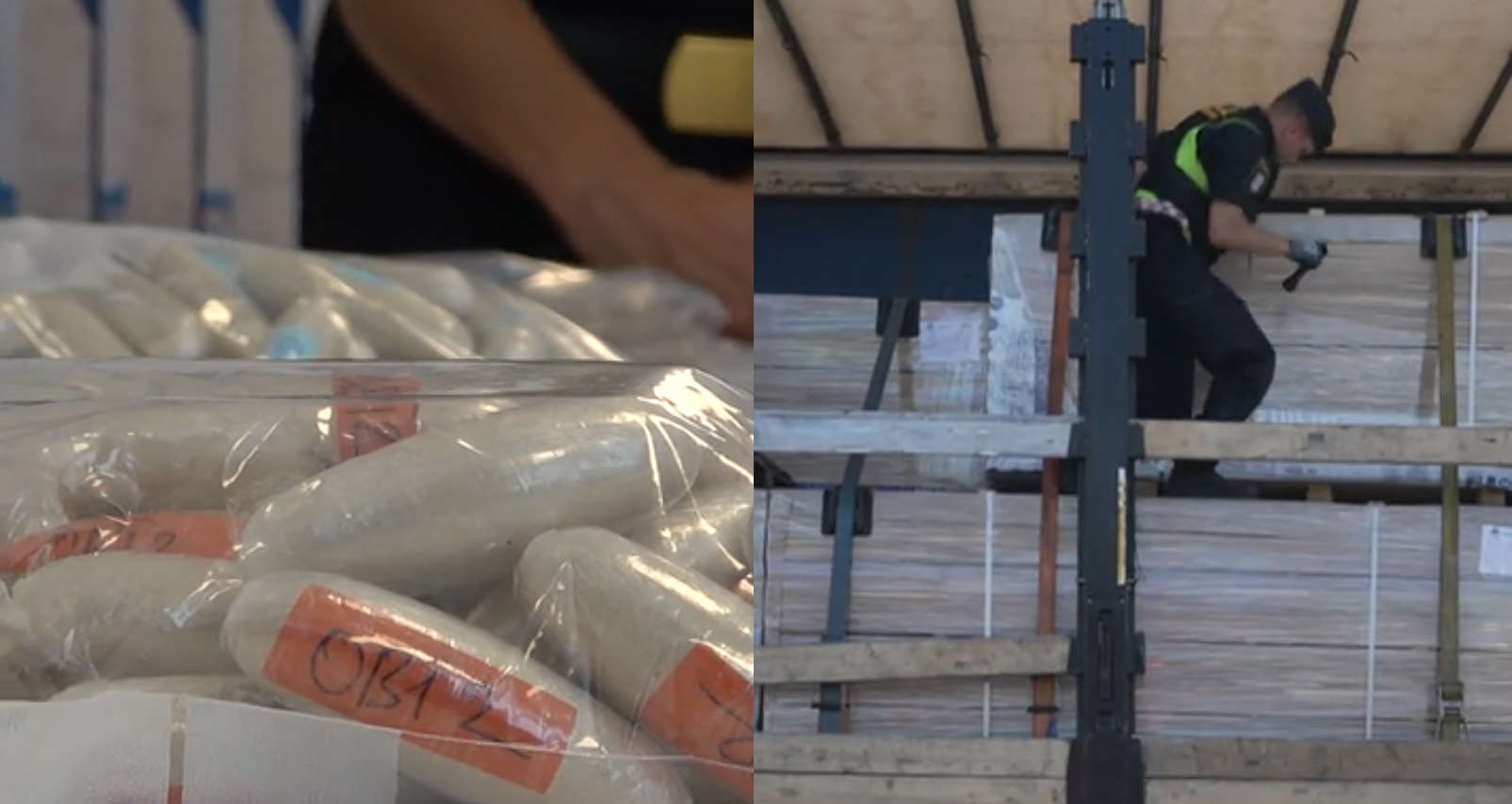
Sweden’s customs authorities intercepted 10.5 tonnes of narcotics in 2025—a record haul that masks a far more troubling reality. While seizures climbed 7% year-over-year, police intelligence estimates suggest 100 to 150 tonnes of drugs still penetrate Swedish borders annually. This staggering 90% leakage rate reveals not a victory at the frontier, but a systemic vulnerability with profound implications for Nordic commerce, supply chain security, and the region’s reputation as a stable business environment.
The most alarming shift lies in heroin trafficking. After seizing a mere 3 kilograms in 2024, Swedish customs intercepted 134 kilograms in 2025—a 4,367% surge signalling a deliberate recalibration of trafficking routes toward Nordic markets. Amphetamine seizures similarly jumped 44% to 1,110 kilograms, while cocaine—though down slightly in seizure volume to 1,493 kilograms—remains at “historically high levels” according to customs officials. The apparent decline largely reflects the absence of a single massive 1.3-tonne seizure that skewed 2024 figures.
This trend accelerated dramatically in early 2026 when Swedish authorities confiscated approximately three tonnes of cocaine in Helsingborg—the nation’s largest-ever cocaine seizure—arriving via container ship from South America. The incident underscores a strategic pivot by transnational criminal organisations: as major European ports intensify security, Nordic gateways are increasingly exploited as secondary entry points.
The Business Cost of Criminal Enterprise
For Nordic business leaders, these statistics represent more than a law enforcement challenge—they signal a parallel economy eroding legitimate commerce. Research indicates over half of Swedish businesses now view gang presence and organised crime as direct operational threats. An estimated 62,000 individuals are connected to criminal networks in Sweden alone, with drug profits fuelling a self-reinforcing cycle of violence, extortion, and market distortion.
The economic spillover is measurable:
– Logistics vulnerability: Criminal networks increasingly target Nordic ports and transport corridors, forcing shippers to absorb higher insurance premiums and security costs
– Workforce disruption: Gang violence in commercial districts deters investment and complicates talent retention in affected municipalities
– Reputational risk: International partners increasingly scrutinise Nordic supply chains for criminal infiltration, particularly in cash-intensive sectors
Critically, drug trafficking now functions as the financial engine for diversified criminal portfolios. Profits fund cyber operations targeting Nordic financial institutions—where organised crime groups rank as the top cyber threat—and physical extortion schemes affecting small and medium enterprises. This convergence of physical and digital criminality demands integrated risk management strategies beyond traditional security protocols.
Strategic Implications for Nordic Business
The Nordic region’s geographic position—historically an advantage for legitimate trade—has become a liability in the global narcotics economy. Europol’s 2025 analysis confirms traffickers are adapting maritime tactics specifically to exploit smaller Nordic ports with comparatively lighter surveillance infrastructure. For logistics firms, port operators, and import-dependent manufacturers, this necessitates:
1. Enhanced due diligence on shipping partners and container origins, particularly for South American and West African routes
2. Collaborative intelligence sharing with customs authorities through formalised public-private partnerships
3. Supply chain resilience planning that accounts for seizure-related delays and port security disruptions
Sweden’s adoption of risk-based supervision frameworks in 2026 offers a template for business alignment—companies demonstrating robust anti-trafficking protocols may qualify for expedited customs processing, turning compliance into competitive advantage.
The Path Forward
Customs Director General Johan Norrman’s assertion that “the more drugs we stop, the less they need to be handled later by police and social authorities” understates the economic calculus. Every kilogram intercepted represents not just prevented social harm, but disrupted capital flow to criminal enterprises that directly compete with legitimate Nordic businesses through extortion, fraud, and market manipulation.
The trajectory remains concerning: with 40 seizures exceeding 50 kilograms in 2025—and 18 surpassing 100 kilograms—the volume and organisation of trafficking operations continue escalating. Yet encouraging signs exist. Preliminary 2025 data indicates gang-related shootings in Sweden declined approximately 50% year-over-year, suggesting intensified law enforcement pressure may be disrupting criminal operational capacity even as trafficking volumes rise.
Strategic Intelligence Briefing
This analysis represents the first instalment in our Nordic Security Economy series. Our next article will examine how Nordic logistics firms are deploying AI-powered anomaly detection and blockchain verification to harden supply chains against criminal infiltration—and the ROI of proactive security investment versus reactive crisis management.
Business leaders navigating security challenges in the Nordic operating environment are invited to connect with our editorial team at insights@nordicbusinessjournal.com. Share your risk management strategies, supply chain innovations, or concerns about criminal enterprise impacts on your sector. Selected insights will inform our ongoing coverage of the intersection between organised crime and Nordic commerce.
— Nordic Business Journal: Intelligence for Decision-Makers