
Skåne’s vulnerability exposes systemic risk to Sweden’s €4.2 billion agricultural export engine—and regional food security
SKÅNE, Sweden — What begins as a barely visible flatworm in a nursery shipment could cascade into a €500 million productivity shock for Nordic agriculture within this decade. Skåne County—producing nearly one-third of Sweden’s arable output and anchoring regional supply chains for Denmark and southern Norway—is rapidly becoming Northern Europe’s frontline against biological invaders. The County Administrative Board’s urgent appeal to Stockholm signals more than an ecological warning: it reveals a strategic vulnerability in Nordic food systems at a time of heightened geopolitical and climate volatility.
The Business Case for Immediate Action
Skåne’s unique risk profile stems from converging commercial factors: it hosts Scandinavia’s densest concentration of intensive agriculture, handles 40% of Sweden’s plant imports via Malmö and Trelleborg ports, and benefits from a warming climate that now supports species previously confined to continental Europe. Each new incursion carries compounding costs:
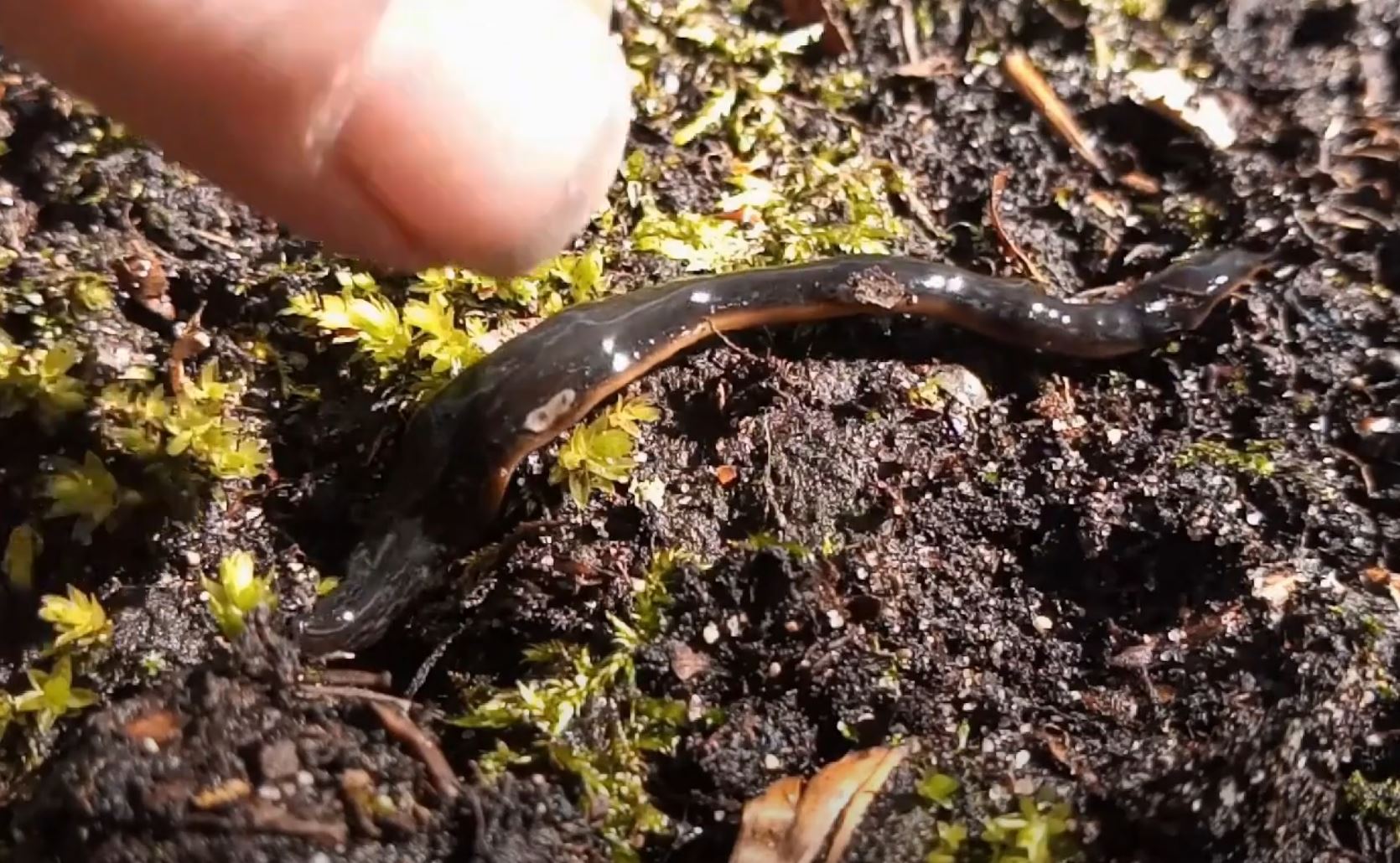
– Productivity erosion: The Obama nungara flatworm—detected in multiple Skåne nurseries since 2023—consumes earthworms critical to soil aeration and nutrient cycling. EU modelling indicates fields with severe infestations suffer 15–20% yield declines in cereals and root vegetables within five years, with recovery costs exceeding €3,000 per hectare.
– Market access risk: As the EU tightens plant health regulations under its 2024 Green Deal implementation, contamination incidents could trigger export suspensions. Sweden’s fresh produce exports to Germany and the Baltics—worth €1.1 billion annually—face heightened scrutiny.
– Insurance and capital implications: Nordic agricultural insurers are quietly revising risk models to account for biological threats. Premiums for crop coverage in southern Sweden rose 12% in 2025, with reinsurers demanding invasive species mitigation plans as policy conditions.
“The math is stark,” notes Cajza Eriksson, Nature Conservation Officer at Skåne County Administrative Board. “Every krona invested now in early detection saves 20 kronor in future remediation. Yet we lack the resources to inspect even 5% of high-risk plant shipments entering our ports.”
Beyond Biology: A Governance Gap
Governor Peter Danielsson’s call for a national task force reflects a deeper institutional challenge. Current Swedish law empowers authorities to act against imported invasive species but offers limited tools against domestically established “expansive” species—creating regulatory arbitrage that hampers coordinated response. Meanwhile, the EU’s 2025 Plant Health Regulation places greater burden on importers to certify pest-free status, shifting liability downstream to Nordic distributors without corresponding support for verification infrastructure.
This governance gap carries strategic consequences. While Denmark has deployed AI-powered border screening at Copenhagen Airport since 2024, Sweden’s fragmented county-level approach leaves critical vulnerabilities unaddressed—particularly problematic given the Øresund Region’s integrated food economy.
Nordic Implications: A Shared Risk Landscape
The threat transcends borders. Denmark’s Zealand region faces parallel pressures from the same species pathways, while Finland’s warming south now registers first detections of continental pests previously blocked by colder climates. Nordic cooperation—long a hallmark of regional security policy—remains underdeveloped in biosecurity. A coordinated early-warning system across Nordic ports could reduce detection lag time by 60%, according to a 2025 Nordic Council feasibility study shelved due to funding disputes.
The Path Forward for Agribusiness Leaders
Forward-looking Nordic food producers are already adapting:
– Supply chain diversification: Major Swedish berry exporters now require dual-sourcing of planting stock from certified Nordic nurseries, reducing continental dependency.
– Soil health as insurance: Progressive farms in Skåne are investing in earthworm population monitoring and compost-based resilience buffers—treating soil biology as critical infrastructure.
– ESG integration: Investors increasingly view invasive species preparedness as a material climate-adaptation metric. Companies disclosing biosecurity protocols saw 8% higher ESG ratings in 2025 Nordic agricultural benchmarks.
The County Administrative Board’s proposed task force—combining customs officials, agronomists, and private-sector logistics experts—represents a template for public-private risk governance. Its success hinges on treating biological security not as an environmental externality, but as core operational resilience.
This analysis reflects current regulatory frameworks and species monitoring data as of Q1 2026. Nordic Business Journal will publish a companion report in March examining insurance market responses to biological threats and profiling three Nordic agri-tech startups developing AI-powered pest detection systems for greenhouse and field applications.
What’s your organisation’s biosecurity readiness? Share your risk mitigation strategies or supply chain vulnerabilities with our editorial team at insights@nordicbusinessjournal.com. Selected responses will inform our Q2 executive roundtable on Nordic food system resilience.