
OSLO — Norway’s economic crime authority Økokrim has launched an aggravated corruption investigation into former Prime Minister Thorbjørn Jagland following revelations in the U.S. Department of Justice’s January 30, 2026 release of three million previously sealed Epstein-related documents. The probe centres on whether Jagland—during his decade-long tenure as Secretary General of the Council of Europe (2009–2019)—received improper benefits including gifts, travel expenses, private holidays, and loans from the late convicted sex offender.
On Wednesday, February 11, the Council of Europe’s Committee of Ministers unanimously waived the diplomatic immunity Jagland retained from his former role, enabling Norwegian prosecutors to advance their investigation. Less than 24 hours later, Økokrim officers conducted coordinated searches of Jagland’s Oslo residence and recreational properties, removing materials for forensic analysis. Jagland, 75, has not been charged; his attorney Andreas Brosveet stated he welcomes the investigation and intends to cooperate fully to “clarify the circumstances.”
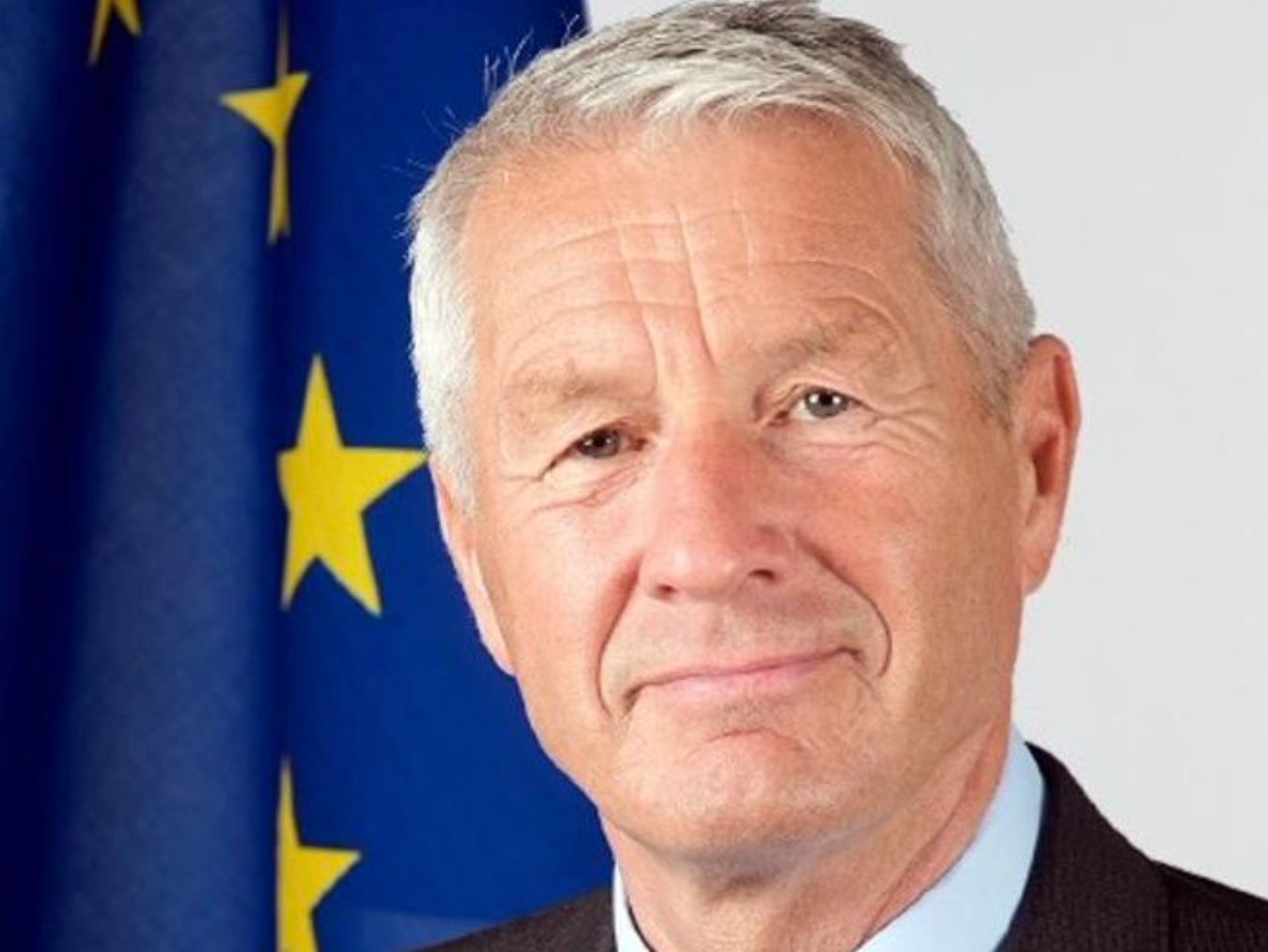
Business Implications for Nordic Executives
This case transcends political scandal—it represents a watershed moment for governance accountability across Nordic institutions:
1. Reputational due diligence is now non-negotiable. The investigation underscores that associations with controversial figures—regardless of timing or context—carry lasting institutional risk. Nordic boards must implement rigorous vetting protocols for high-level partnerships, particularly when engaging with individuals whose wealth sources lack transparency. Jagland’s case demonstrates that reputational liabilities can resurface years after initial contact, especially as global transparency initiatives accelerate.
2. International institutional immunity no longer shields misconduct. The Council of Europe’s swift waiver of Jagland’s immunity signals a new era of accountability for multilateral organisations. Nordic executives serving on international bodies should recognise that diplomatic protections are increasingly conditional on ethical conduct—and that home-country prosecutors retain jurisdiction over corruption allegations involving foreign postings.
3. Systemic review is underway across Norway’s elite networks. Parliament has mandated an independent commission to scrutinise Epstein connections among Norway’s foreign policy establishment, reflecting broader concerns about judgment failures at the highest levels. For business leaders, this signals heightened regulatory scrutiny of cross-border relationship capital—particularly when such relationships intersect with politically exposed persons or ethically compromised actors.
4. The Nobel Committee faces collateral exposure. Jagland chairs the Norwegian Nobel Committee, which awards the Nobel Peace Prize. The Nobel Institute has publicly stated that confirmed Epstein ties would breach its ethics rules. This creates acute reputational vulnerability for an institution central to Norway’s soft power—and a cautionary tale for Nordic organisations whose brand equity depends on perceived moral authority.
Context: The 2026 Epstein Document Wave
The current investigation stems directly from the DOJ’s final Epstein file release under the Epstein Files Transparency Act—a congressional mandate requiring full disclosure of documents related to the financier’s network. Unlike earlier releases that focused on victim testimony, the January 2026 batch contains extensive financial records, flight logs, and correspondence detailing Epstein’s cultivation of political and institutional relationships across Europe. Nordic executives should anticipate further revelations affecting regional institutions throughout 2026.
This article reports on an active criminal investigation. Mr. Jagland is presumed innocent until proven guilty under Norwegian law. The Nordic Business Journal will provide updates as Økokrim’s investigation progresses and court proceedings commence.
What’s Next: Our follow-up will examine how Nordic boards are restructuring due diligence frameworks to address “relationship risk” in an era of radical transparency—and profile the independent commission Norway has established to audit its foreign policy elite’s historical associations.
Have insights on governance reforms in your organisation following high-profile ethical breaches? Share your perspective with our editorial team at insights@nordicbusinessjournal.com we’re curating executive viewpoints for our Q2 Governance Special Report.