
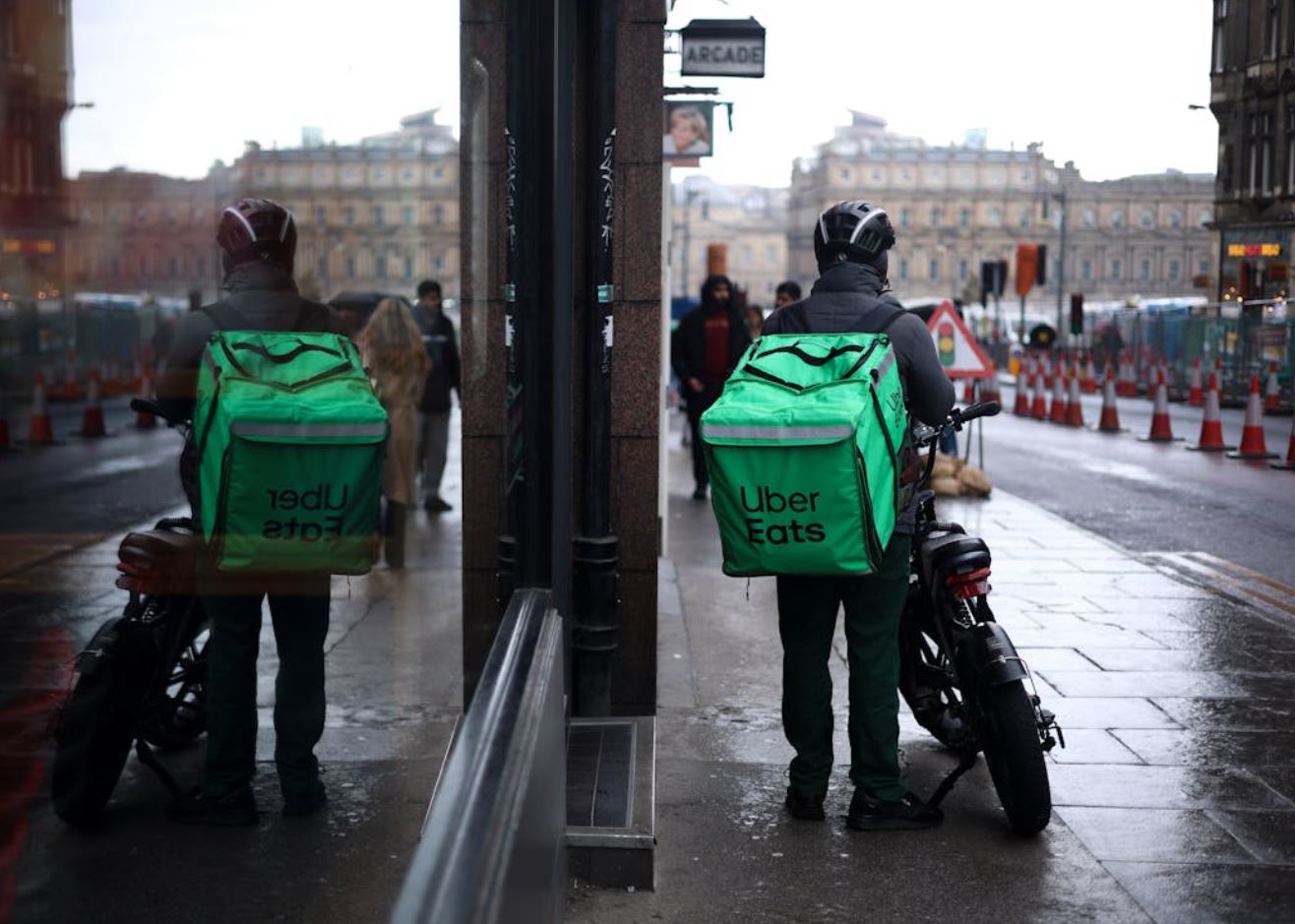
In a significant shift within the Nordic food delivery industry, Uber is expanding its footprint beyond ride-hailing services. Following Foodora’s exit from Finland, Uber has announced its decision to enter the competitive food delivery market in Denmark, marking a pivotal moment in the evolution of delivery services in the region. The move, which also includes expansion into other Nordic countries such as Norway and Finland, highlights Uber’s ambition to solidify its position as a key player in the rapidly growing food delivery sector.
Uber’s Strategic Nordic Expansion
Uber’s latest announcement reveals a strategic expansion into seven additional countries, including Denmark, Norway, and Finland, as well as Austria, the Czech Republic, Greece, and Romania. This expansion which was roll out throughout 2024, saw the company aiming to reshape the food delivery landscape and offer more value to consumers.
Susan Anderson, Uber’s Global Head of Delivery, spoke to the Financial Times about the company’s vision: “We believe it is time to raise the bar, shake up the bag, and deliver better value across the category.” This bold statement signals Uber’s commitment to revolutionising food delivery services across multiple markets, not just by competing on delivery speed and convenience, but also by enhancing the overall customer experience.
The competition in the Nordic region is heating up as established players like Foodora pull back from certain markets. As Foodora exits Finland, Uber is ready to fill the void, capitalising on its strong brand presence in the region, thanks to its successful partnership with local taxi company Drivr, which enabled Uber’s entry into Denmark in 2024. Uber’s subsequent acquisition of Dantaxi in 2025 further strengthened its market position, allowing the ride-hailing giant to leverage an established local network and streamline its services for Danish consumers.
A Competitive Advantage: Uber’s Nordic Market Strategy
Uber’s entry into food delivery services in Denmark and its expansion across the Nordic region is more than just a market entry—it’s a strategic manoeuvre designed to capture the growing demand for food delivery. According to recent market reports, the Nordic food delivery market has seen significant growth, driven by consumer demand for convenience and speed. Uber, with its global infrastructure and customer base, is poised to benefit from these trends by leveraging its existing platforms to reach a larger audience.
Unlike its competitors, Uber is uniquely positioned to integrate its food delivery services with its existing ride-hailing business, creating opportunities for cross-promotion and increasing customer loyalty. The synergy between Uber’s various services is expected to give it a competitive edge, as consumers are likely to opt for a familiar and convenient brand to handle both their transport and food delivery needs.
Challenges and Opportunities in the Nordic Food Delivery Market
However, the road ahead is not without challenges. The Nordic food delivery market is competitive, with several local players such as Wolt and DoorDash already carving out significant market shares. Uber will need to differentiate itself by offering superior customer service, a broader selection of restaurants, and competitive pricing to attract Danish consumers.
Furthermore, Uber’s expansion into smaller markets such as Greece and Romania highlights its aggressive growth strategy, but it also brings with it the challenge of adapting its platform to meet the needs of diverse consumer bases across varying cultural and economic landscapes. The company will need to tailor its services to cater to the unique preferences of consumers in each market.
Despite these challenges, Uber’s deep pockets, global brand recognition, and robust technological infrastructure provide it with the resources needed to succeed in the increasingly crowded Nordic market. The company’s ability to scale quickly and its ongoing innovation will likely play a pivotal role in determining its success across the region.
The Road Ahead: Uber’s Future in Denmark and Beyond
As Uber gears up for its entry into the Danish food delivery market, it is clear that the company’s strategy is cantered on more than just expanding its service offerings. Uber is committed to shaking up the food delivery space, not only by competing on speed and efficiency but by raising the overall standard of service in the region.
In the coming months, it will be crucial to watch how Uber’s competitive positioning unfolds in Denmark and its broader Nordic expansion. The company’s success will likely depend on how well it can leverage its partnerships, technology, and customer loyalty to differentiate itself from established players.
Looking Ahead: What’s Next?
As Uber makes bold moves in the Nordic region, the future of food delivery services remains full of potential and competition. In the next issue of Nordic Business Journal, we will explore the broader implications of Uber’s strategy in Europe and how the company plans to continue innovating in its race to dominate the food delivery market.
We invite you to stay connected with us for further insights into Uber’s European expansion and its impact on the Nordic business landscape. Join the conversation, and share your thoughts on what this new competition means for the food delivery industry in the region.
For more updates and exclusive analysis, connect with us on LinkedIn, Twitter, or email our editorial team at insights@nordicbusinessjournal.com as well as via our website.