
In the wake of rising tensions and violence in the Middle East, several European countries have initiated large-scale evacuations for their citizens stranded in the region. However, Sweden, as of now, has refrained from implementing a formal evacuation plan. According to Svante Liljegren, the head of the Ministry of Foreign Affairs’ consular unit, while no options are being ruled out, there are currently no concrete plans for a Swedish evacuation.
“We are not ruling anything out right now, but I don’t want to pre-empt any developments or send signals that a Swedish evacuation is imminent,” Liljegren stated in an interview.
This cautious stance has left many Swedes caught in the Middle East in a precarious position, with limited communication and uncertainty over their return options. Two such individuals, Filippa Hanikat and Noelle Svensson, who are stranded in the region, voiced frustration: “It’s disorienting; you’re here with barely any information. Your parents are calling you from home, glued to the news, while we don’t know what’s going on,” they shared.
Tour Operators Step In: TUI Leads the Charge
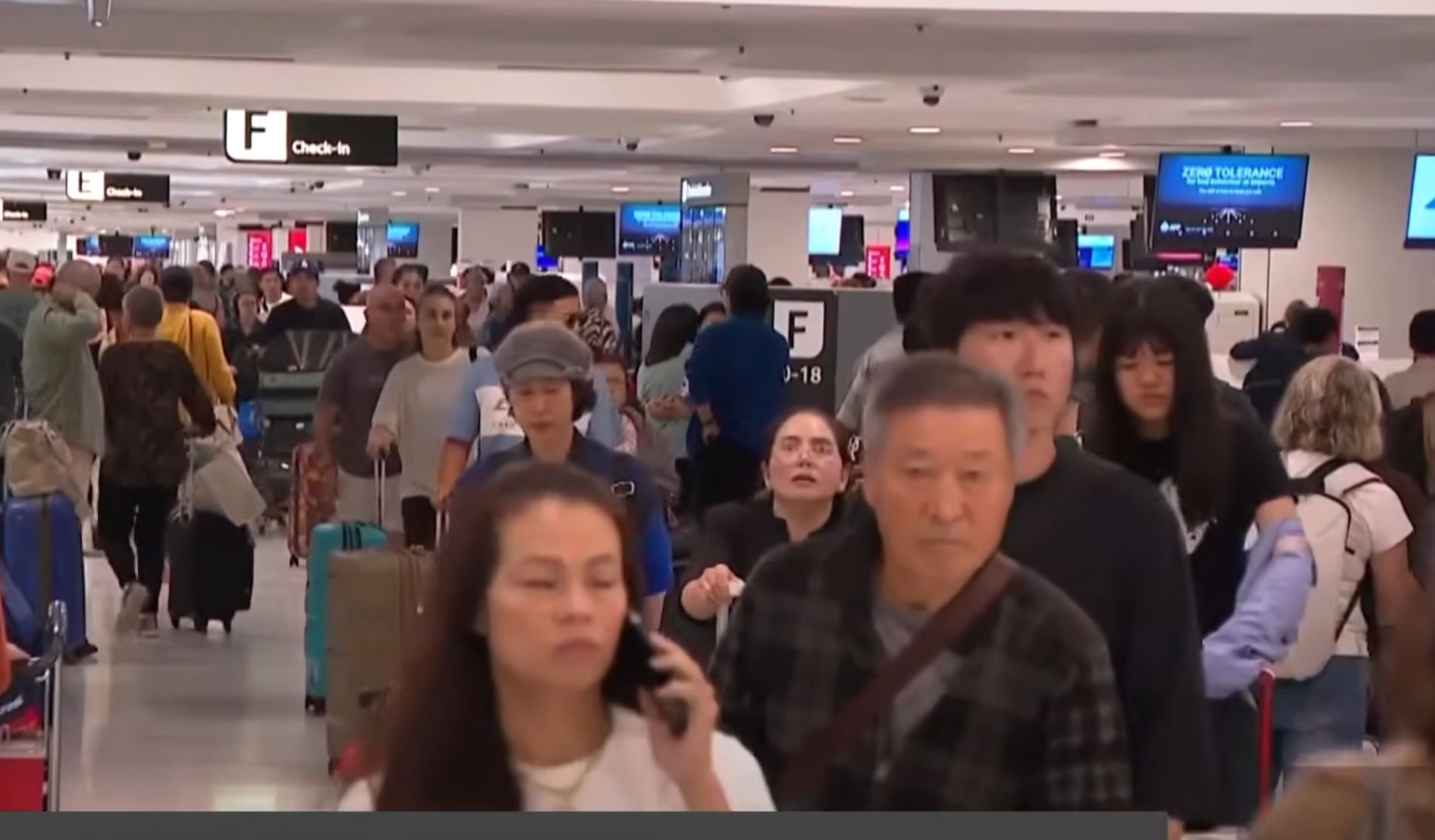
In the absence of a government-led evacuation, Swedish travellers have turned to private companies for assistance. TUI, a major tour operator, has taken on the task of repatriating Swedish nationals who are stranded due to the ongoing crisis. TUI has made it clear, however, that it is dependent on the availability of airlines and open airspace, which remains a critical hurdle.
The first flights organized by Emirates are scheduled to depart for Europe on Tuesday, but the timeline for further flight resumptions remains unclear. TUI’s communications manager, Anne Mørk-Løwengreen, stated, “We are in constant communication with the airlines we collaborate with and the relevant authorities to determine how to get all our guests home as quickly as possible. But decisions regarding additional flights are still pending.”
Airlines and Flight Access: A Tense Waiting Game
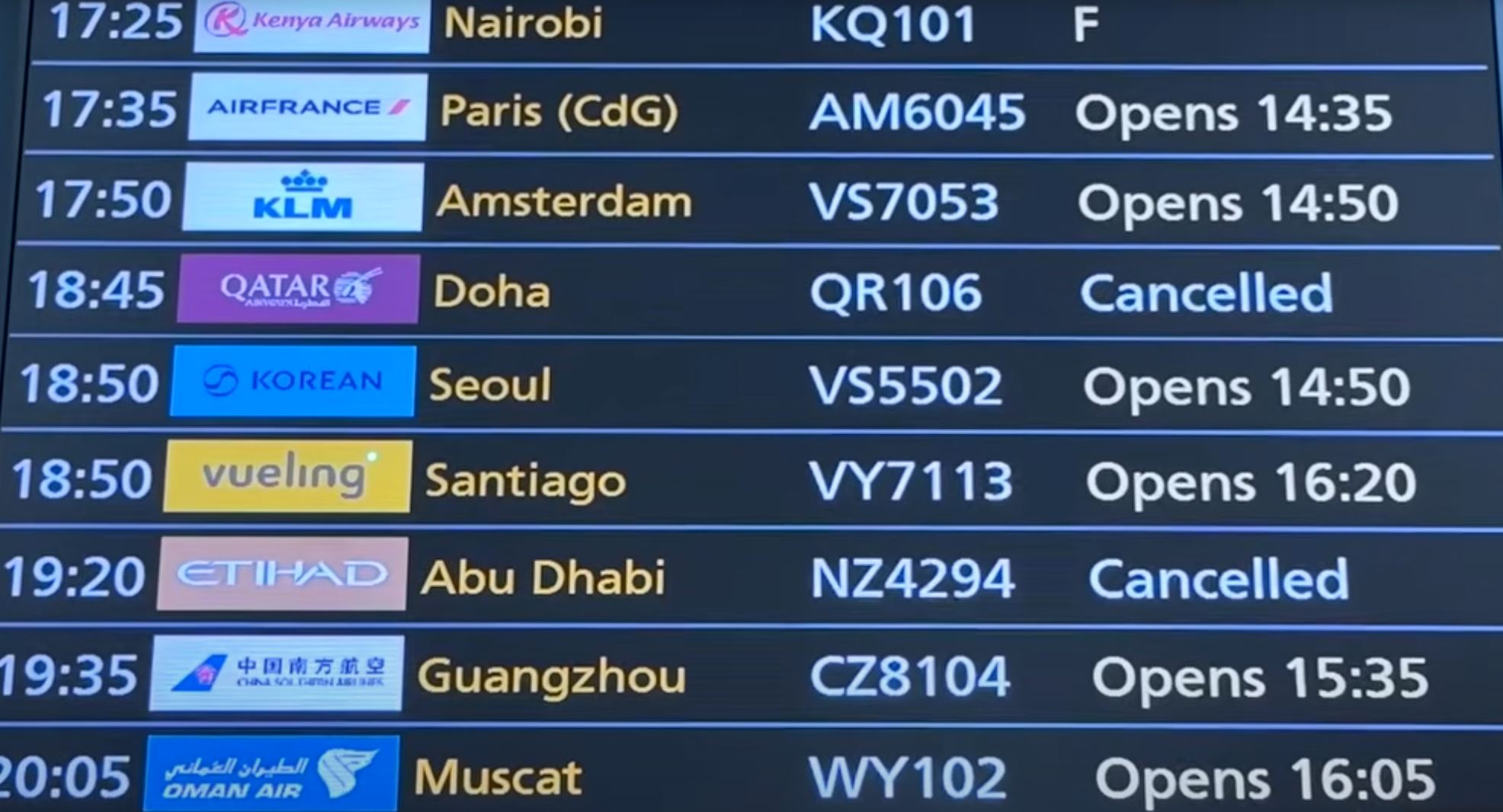
The uncertainty surrounding airspace closures remains a major obstacle. With many airports in the region shut down or operating on limited capacity, the airlines’ ability to resume regular flights is uncertain. TUI is actively liaising with Gulf Airlines and other carriers to explore options for resuming travel.
“We are in the midst of assessing the situation minute-by-minute. Some flights might be available for Swedish travellers, but it really depends on the specific rebooking arrangements. We can’t yet confirm how many Swedes will be able to return today or tomorrow,” said Dian Valencia, TUI’s communications manager for Sweden.
The role of major travel companies such as Ving and Apollo is also vital in this complex situation. Both operators are exploring any available avenues for transporting stranded passengers, even as closed airspace continues to frustrate their efforts.
Anna Hagberg, press communicator for Ving, explained: “It’s a positive sign that some airlines have managed to gradually open up a small number of flights in the last 24 hours. We’re maintaining close dialogue with these airlines and are following the situation closely to get our guests home as soon as possible.”
The Growing Number of Stranded Travelers
As the days pass and more flights are delayed or cancelled, the number of Swedish travellers stranded in the Middle East is expected to rise. Currently, Ving has 167 stranded passengers, with 58 in Dubai and Doha. However, the situation remains fluid, and as flights remain grounded, this number could increase rapidly.
“Many of the people who arrived just a few days ago, with a return flight booked shortly after, now face the risk of being stranded for an indefinite period,” said Hagberg. “There’s a domino effect. As the crisis continues, the number of stranded passengers will inevitably increase.”
Both Ving and Apollo have assured their customers that extra accommodation and food expenses will be covered during this period of uncertainty. Ving advises its passengers to collect receipts for reimbursement, while Apollo is arranging additional hotel stays for its customers.
Martina Krantz, communications officer at Apollo, emphasized, “While we don’t operate our own flights in this region, we are entirely dependent on the airlines, which in turn are dependent on the airspace being reopened. We’re all waiting for the green light.”
Looking Ahead: What Will Happen Next?
While the immediate situation is still fluid, the Swedish government’s current reluctance to initiate an evacuation underscores a broader challenge: the delicate balance between international diplomacy, national security, and the safety of citizens abroad.
The question remains: How long can Sweden afford to wait before it escalates its response? Could a coordinated European evacuation effort be on the horizon, or will Sweden continue to rely on private companies to handle the repatriation of its citizens?
As the Middle East crisis continues to unfold, we will continue to monitor the situation and provide updates. It’s clear that this event will have lasting impacts not only on Sweden’s foreign policy but also on the global travel industry, with governments, airlines, and travel agencies all being forced to adjust to an evolving and uncertain landscape.
Next Steps for Our Readers:
We encourage readers to stay connected with us for ongoing updates and analysis of this developing situation. In our next issue, we’ll dive deeper into how global travel operators are adjusting their strategies to respond to crises and what this means for future evacuations. Additionally, we’ll look at how governments can better prepare for mass repatriations in such volatile regions.
For more insights and discussions on this topic, don’t hesitate to reach out to us via email or through our social media platforms.
Stay informed, stay safe, and keep connected with the Nordic Business Journal for the latest updates on international travel and security developments.
Connect With Us:
Share your experiences or propose a topic for our next feature by contacting us at editorial@nordicbusinessjournal.com or connecting with us on LinkedIn @NordicBusinessJournal.