
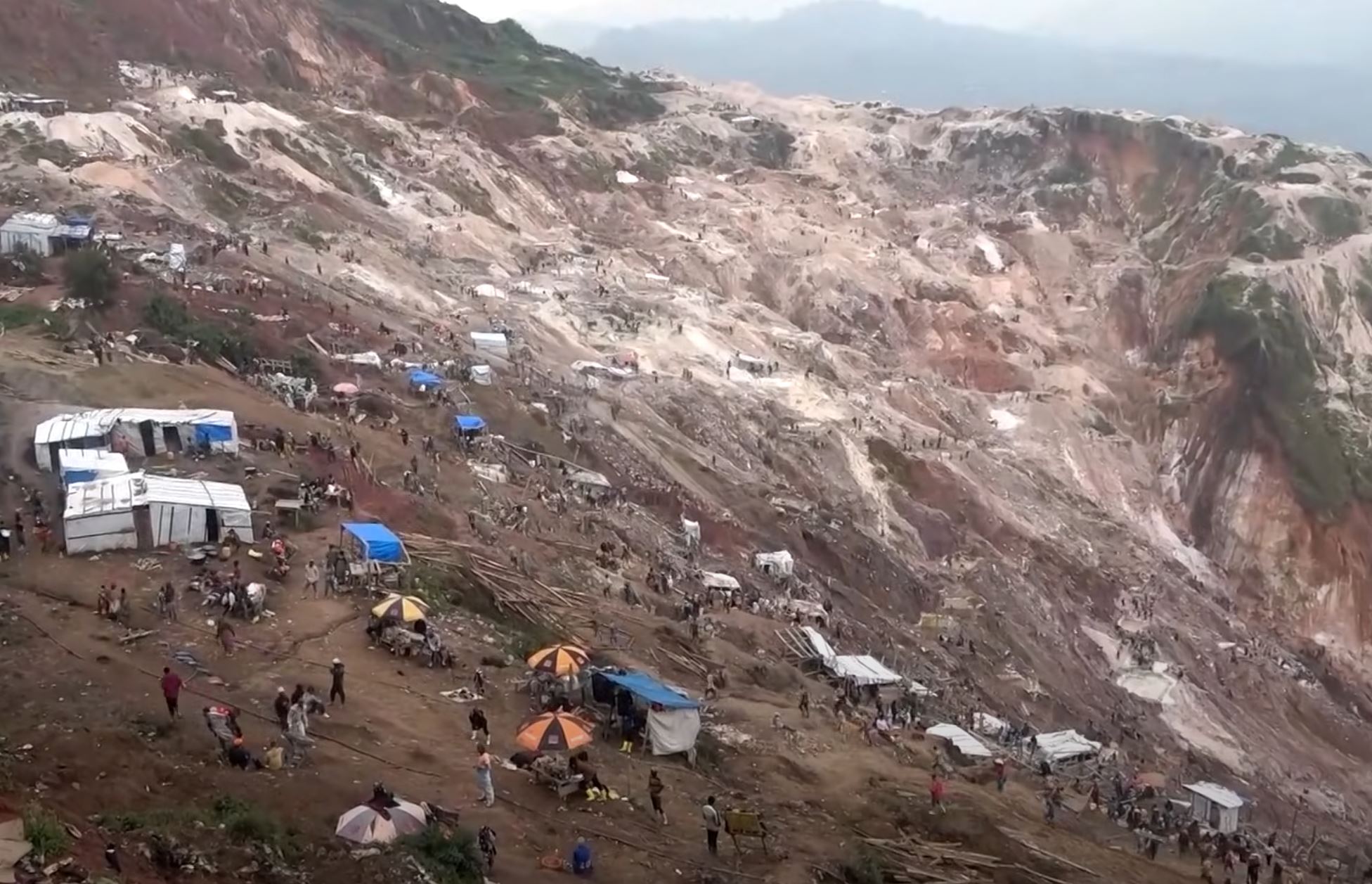
More than 227 people lost their lives in late January 2026 when a landslide struck the Rubaya coltan mining complex in eastern Democratic Republic of Congo (DRC), according to verified reports from geological monitoring sources. The disaster, triggered by heavy rainfall at artisanal mining sites, marks the second major collapse at Rubaya in under a year—following a June 2025 incident that claimed over 300 lives.
While humanitarian tragedy rightly dominates headlines, Nordic executives in technology, manufacturing, and investment sectors should recognise this event as a critical inflection point for strategic mineral sourcing. Rubaya alone accounts for approximately 15% of global coltan supply—the ore processed into tantalum, a heat-resistant metal essential for capacitors in smartphones, laptops, electric vehicles, and defence electronics.
The Strategic Stakes: Why Nordic Businesses Should Pay Attention
Tantalum and niobium (coltan’s constituent minerals) are classified by the European Union as strategic critical raw materials due to their irreplaceable role in the green and digital transitions, as well as aerospace and defence applications. For Nordic economies—home to global technology leaders like Ericsson, Nokia, and a dense ecosystem of electronics manufacturers and industrial OEMs—supply chain resilience for these minerals is not optional; it is existential.
The EU’s Critical Raw Materials Act (CRMA), which entered into force in May 2024, sets binding targets: by 2030, no more than 65% of the EU’s annual consumption of any strategic raw material may come from a single third country. With the DRC and Rwanda collectively supplying the majority of the world’s artisanal tantalum, and with Rwanda alleged to source up to 90% of its exported coltan from eastern DRC, the Rubaya disaster exposes acute concentration risk.
Conflict, Control, and the Opaque Supply Chain
The Rubaya complex has been under the control of the AFC/M23 rebel group since April 2024. According to IPIS research, M23 enforces strict control over mineral trade: combatants patrol mining towns, authorise only specific traders, and facilitate cross-border transport to Rwanda via routes allegedly built using forced labour.
This governance vacuum creates profound due diligence challenges. While EU regulations require importers of tantalum to conduct supply chain due diligence under the Conflict Minerals Regulation, tracing artisanal coltan through conflict-affected territories remains exceptionally difficult. A 2022 Global Witness investigation warned that major technology firms may inadvertently source “conflict minerals” through certification schemes lacking robust verification.
For Nordic companies subject to both EU regulations and growing investor ESG scrutiny, the Rubaya incident underscores the limits of paper-based compliance. Real-time supply chain mapping, direct engagement with artisanal mining communities, and investment in traceability technology are shifting from “best practice” to operational necessity.
Market Signals and Strategic Alternatives
Despite the human and operational disruption, tantalum prices have remained relatively stable—rising modestly from USD 195/kg in January to USD 207/kg in March 2025, according to Shanghai Metal Market data cited by IPIS. This suggests current export flows from the region continue, albeit through altered channels.
However, stability should not breed complacency. Should conflict intensify or international sanctions tighten, Nordic buyers could face sudden supply constraints. Diversification strategies are already emerging: Australia is revitalising its tantalum production under its Critical Minerals Strategy, while Brazil maintains dominance in niobium (92% of global supply) and significant tantalum output.
Closer to home, the Nordic region holds underexploited potential. Finland and Sweden possess geological formations with critical mineral prospects, and the EU’s CRMA explicitly encourages domestic extraction, processing, and recycling. Nordic Innovation notes that the Act’s requirement for 15% of critical raw materials to come from recycling by 2030 presents a significant opportunity for Nordic circular economy leaders.
Actionable Insights for Nordic Executives
1. Audit beyond tier-1 suppliers: Map tantalum exposure down to the mine level, particularly for components sourced via Asian intermediaries.
2. Engage with EU policy implementation: The CRMA’s Strategic Partnerships pillar offers avenues for Nordic firms to shape responsible sourcing frameworks with partner countries.
3. Invest in traceability tech: Blockchain, satellite monitoring, and on-the-ground verification partnerships can de-risk artisanal supply chains.
4. Accelerate circular strategies: Urban mining—recovering tantalum from e-waste—aligns with Nordic sustainability leadership and CRMA recycling targets.
5. Scenario-plan for disruption: Model supply chain impacts of potential export bans, conflict escalation, or regulatory shifts in Central Africa.
The Human Dimension Is a Business Imperative
The inclusion of approximately 70 children among the Rubaya casualties is not merely a humanitarian footnote; it is a material ESG risk indicator. Nordic institutional investors, pension funds, and consumers increasingly demand ethical sourcing. Companies unable to demonstrate credible human rights due diligence face reputational damage, legal exposure under emerging mandatory due diligence laws, and potential exclusion from sustainable investment portfolios.
The Rubaya tragedy is a stark reminder: in an era of twin green and digital transitions, the ethics of extraction are inseparable from the economics of innovation.
What’s Next?
In our next edition, we will examine Nordic Mining Technology Exports to Africa: Opportunity or Ethical Quagmire? —analysing how Swedish and Finnish mining equipment firms can support responsible artisanal mining while capturing growth in critical mineral markets.
We want to hear from you. Are supply chain transparency challenges affecting your strategic planning? Connect with our editorial team at editors@nordicbusinessjournal.com or join the conversation on LinkedIn @NordicBusinessJournal. Share your insights, case studies, or questions for our upcoming deep-dive.
Nordic Business Journal delivers executive intelligence at the intersection of Nordic enterprise, sustainability, and global strategy.