
In recent years, Norway’s economy has been inextricably linked to global oil markets, but a subtle transformation is underway—one that could reshape the country’s future financial trajectory. The surge in oil prices, partly driven by geopolitical conflicts such as the recent tensions in the Middle East, has boosted revenues for oil-exporting nations like Norway. However, while these immediate gains appear to cushion the Norwegian economy, they also reveal deeper, structural vulnerabilities—particularly within Norway’s Sovereign Wealth Fund, the world’s largest of its kind.
The Illusion of Profits from War
In the wake of escalating tensions in the Middle East and ongoing instability in regions like Ukraine, Norwegian Finance Minister Jens Stoltenberg’s statement that the country does not profit from war remains an important clarification. Yet, Norway, as an oil-exporting nation, is undeniably seeing a significant increase in revenue as global crude oil prices near $100 per barrel—a familiar situation reminiscent of the revenue boom Norway experienced at the height of the Ukraine crisis when energy exports reached over $200 billion annually.
While these figures are impressive, they obscure an important issue: Norway’s financial strategy is no longer solely driven by oil exports but by global investment. This shift has, in some ways, exposed Norway to risks it is not fully prepared for.
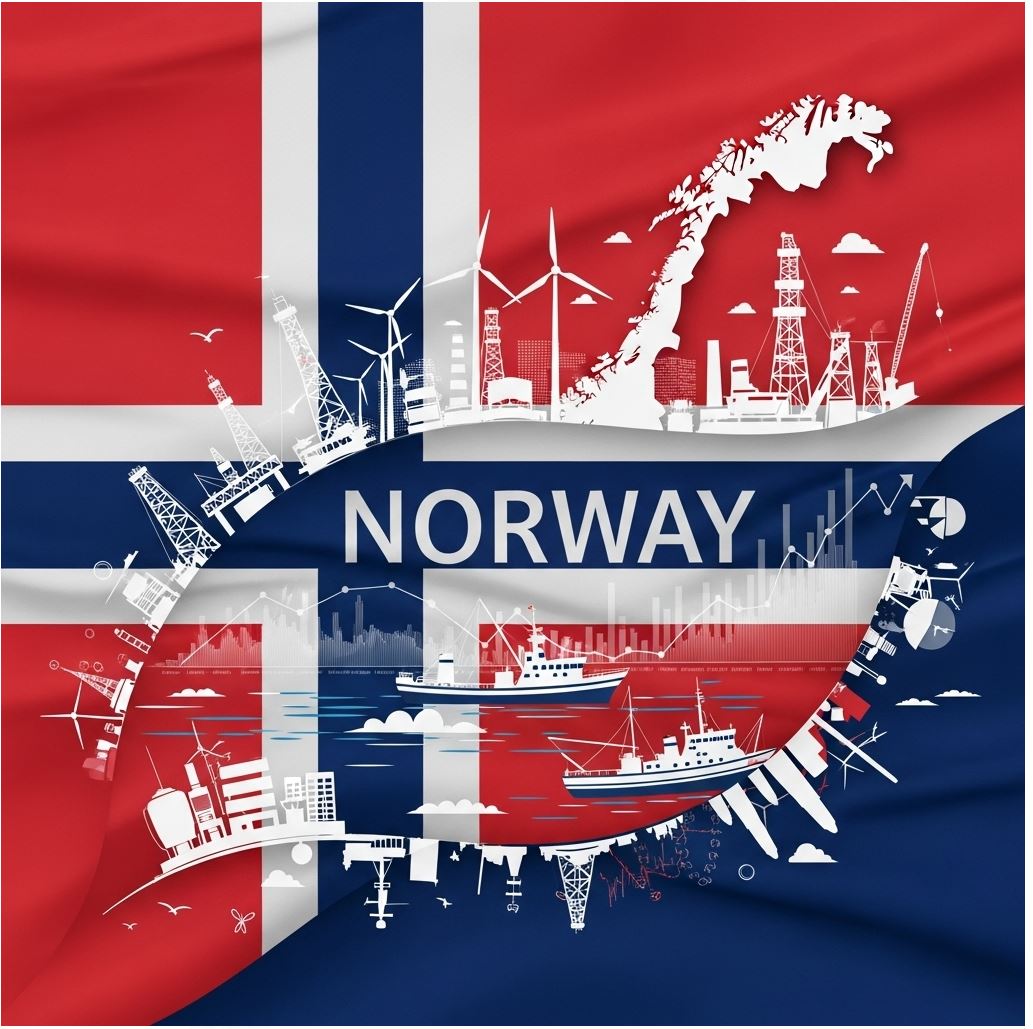
Norway’s Transition from an Oil Nation to an Investment Nation
Norway’s economic evolution is no longer tied exclusively to oil. As of March 2026, the country’s Sovereign Wealth Fund—more commonly known as the Petroleum Fund—has ballooned to over 21 trillion Norwegian kroner (roughly 20 trillion Swedish kronor), with a substantial portion (about 71%) allocated to global equity markets. This transition reflects a deliberate strategy to diversify national assets and insulate Norway from the volatile swings of oil prices.
However, this diversification has introduced new vulnerabilities. For example, a 10% drop in global stock markets would have a far greater financial impact on Norway’s wealth than a similar dip in oil prices. Geopolitical conflicts, such as the Middle Eastern unrest, can spark capital flight, driving investors towards safer assets like gold or government bonds and away from stock markets. This can create a perfect storm for Norway, whose vast investment portfolio is significantly exposed to global equity markets.
The Double-Edged Sword of European Dependencies
Norway’s dependence on Europe as its primary export market adds another layer of complexity to its current economic vulnerability. As geopolitical tensions in the Middle East intensify, European economies—already grappling with energy price inflation and post-pandemic recovery—find themselves under additional strain. Norwegian inflation is projected to hover around 3% throughout 2026, well above the target set by Norges Bank. This persistent inflation, exacerbated by rising energy costs, is likely to force the Bank of Norway to implement interest rate hikes, creating pressure on households and businesses alike.
Moreover, the volatility in gas markets is another pressing concern. The Strait of Hormuz, a critical chokepoint for global LNG (liquefied natural gas) exports, accounts for roughly 20% of the world’s LNG trade. While Norway has a steady supply of natural gas through its pipelines to Europe, the pricing of this gas is still heavily influenced by market fluctuations in the region. Any significant disruptions to this flow could reverberate across the continent, adding more uncertainty to an already volatile energy market.
Short-Term Gains, Long-Term Risks
In the short term, the recent surge in oil prices has provided a financial buffer for the Norwegian government, enabling it to manage immediate fiscal pressures. However, this short-term relief comes at a cost. Each quarter of geopolitical instability not only threatens the value of Norway’s equity portfolio but also complicates fiscal policy decisions. The oil fund, while a remarkable achievement in securing the nation’s future, is now more susceptible to global shocks than many might expect.
The broader question remains whether Norway’s strategy of reliance on global investments—coupled with its growing exposure to international markets—can withstand the tides of global instability. While Norway has diversified its revenue streams, the increasing interconnectedness of the world’s markets means that no country is immune to global disruptions.
A Path Forward: Navigating a New Era of Uncertainty
As Norway faces the challenges of the 2020s, it will need to find ways to balance short-term gains with long-term stability. The risks associated with geopolitical instability—ranging from oil price fluctuations to market downturns—require careful management of the Sovereign Wealth Fund’s portfolio and broader fiscal policy.
In the next edition of Nordic Business Journal, we will explore potential strategies for Norway to future-proof its economy amid rising global volatility. Should the country continue to deepen its investment portfolio, or is it time for a re-evaluation of the risk associated with such heavy exposure to volatile global markets? And how should Norway respond to the shifting dynamics in its energy sector and European trade relations?
Stay connected with us to stay informed on Norway’s evolving economic landscape. Follow our upcoming articles for expert insights and analysis on the country’s path forward.