
Electronic Arts (EA) has announced a new wave of workforce reductions, a move that will significantly impact its Swedish flagship studio, DICE. While the gaming giant cites a strategic “re-alignment” of resources, the decision underscores a broader correction currently sweeping through the Nordic technology and entertainment landscape.
For investors and industry observers in the region, the situation at DICE is not merely a corporate HR update; it is a barometer for the health of Stockholm’s “Gaming Valley.”
The Situation: Restructuring Amidst Development
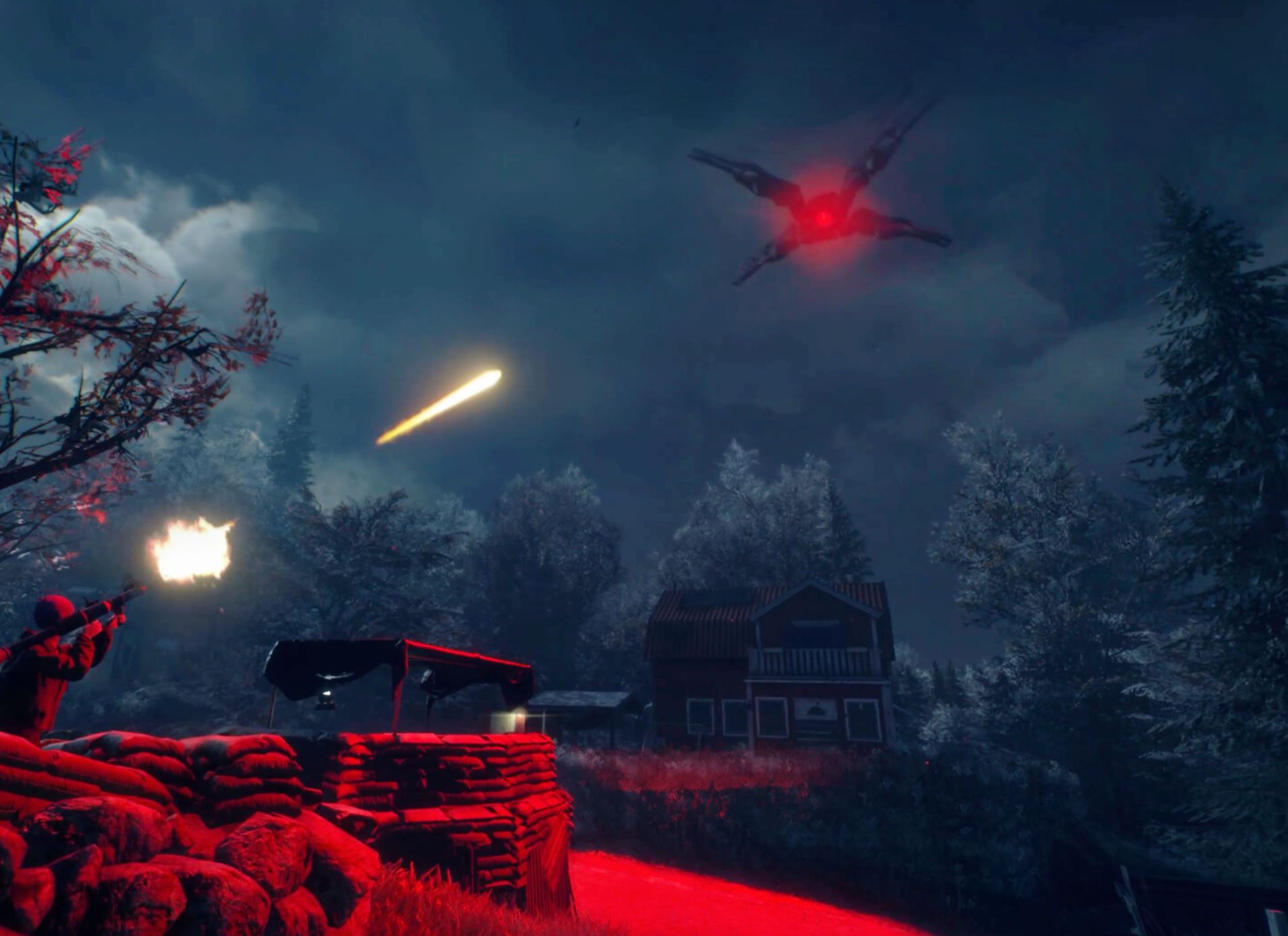
Contrary to earlier reports suggesting cuts followed a record-breaking launch, the reality is more nuanced. The layoffs, affecting approximately 5% of EA’s global workforce (roughly 670 employees), come as the publisher pivots resources toward its next generation of titles. This includes the next instalment of the Battlefield franchise, currently in development at DICE in Stockholm and Ripple Effect in Los Angeles.
While Battlefield remains one of the industry’s most valuable IP assets, the franchise has faced headwinds following the turbulent launch of Battlefield 2042. The recent decision to reduce headcount is being framed by EA leadership as a necessary step to streamline development pipelines and increase efficiency. However, the timing has raised eyebrows, particularly as the studio navigates reputational challenges, including recent community backlash over the use of AI-generated assets in official communications.
Analysis: The Nordic Gaming Correction
The reductions at DICE do not occur in a vacuum. They are part of a pronounced contraction within the Swedish and broader Nordic gaming market. Over the past 18 months, major players including Ubisoft Stockholm, Thunderful Group, and the embattled Embracer Group have all undergone significant restructuring.
Three key trends are driving this shift:
1. Post-Pandemic Normalisation: During the lockdowns, gaming revenues surged. As consumer spending normalized in 2023-2024, companies found themselves overstaffed relative to current revenue growth. The “growth at all costs” model is being replaced by a focus on profitability and sustainable margins.
2. The Cost of Innovation: The integration of new technologies, such as generative AI, is creating friction. While companies seek to leverage AI for cost efficiency, the Battlefield community’s negative reaction to AI imagery highlights a critical business risk: brand equity. Nordic studios, known for high-quality craftsmanship, must balance automation with the human creativity that defines their premium positioning.
3. Consolidation of Talent: Historically, Sweden has benefited from a “talent flywheel,” where laid-off employees from one studio are quickly absorbed by another. However, with concurrent cuts across Ubisoft, EA, and smaller publishers, the local absorption rate is slowing. This could lead to a short-term surplus of senior talent, potentially lowering hiring costs for remaining healthy studios or attracting foreign investment looking for experienced teams.
Investor Takeaway: Risk and Opportunity
For stakeholders monitoring the Nordic tech sector, the EA/DICE situation offers a clear signal. The era of rapid, unchecked expansion in Nordic gaming has paused. The focus has shifted to IP longevity and operational efficiency.
Risk: Studios heavily reliant on a single live-service title without diversified revenue streams are vulnerable. The reliance on the Battlefield brand makes DICE’s performance critical to EA’s regional stability.
Opportunity: The availability of senior engineering and design talent in Stockholm may present an acquisition opportunity for smaller, agile studios or non-gaming tech firms looking to gamify their platforms. Furthermore, the pressure to cut costs may accelerate the adoption of legitimate AI tooling that enhances rather than replaces human output, a sector ripe for B2B investment.
While the layoffs at DICE are a setback for the local workforce, they reflect a global industry maturing after a period of hyper-growth. Sweden remains a powerhouse of game development, but the metrics for success are changing. The companies that thrive in the next cycle will be those that manage the intersection of creative integrity, technological efficiency, and fiscal discipline.
Editor’s Note: Where We Go From Here
Follow-Up Direction:
In our next issue, we recommend diving deeper into “The AI Dilemma in Nordic Creative Industries.” With the controversy surrounding EA’s use of AI assets and similar debates in the film and ad sectors, an analysis on how Nordic companies are establishing ethical AI guidelines versus cost-cutting measures would provide high value to our corporate governance readers.
Connect With Us:
Are you an investor, developer, or industry analyst tracking the Nordic tech landscape? We want to hear your insights.
- Submit a tip or story idea: editor@nordicbusinessjournal.com
- Join the conversation: LinkedIn @NordicBusinessJournal
- Subscribe for weekly market analysis: www.nordicbusinessjournal.com/subscribe
Stay informed. Stay ahead.