
DUBAI/COPENHAGEN — Tensions in the Persian Gulf have once again translated into direct operational risks for global shipping conglomerates, following an incident involving the container vessel Source Blessing early Thursday morning. The ship, currently operating under a complex charter agreement involving Nordic giant Maersk, was struck by projectile fragments near the United Arab Emirates, underscoring the fragility of critical trade arteries.
The Incident
The 243-meter vessel was located north of Jebel Ali, UAE, when it sustained damage from shrapnel linked to an unknown projectile. The impact triggered a minor fire on board, which the crew successfully extinguished.
Nils Haupt, Communications Director at Hapag-Lloyd, confirmed the details to press. “The ship was hit by shrapnel and a minor fire broke out,” Haupt stated. He was quick to clarify the nature of the event, stressing that the vessel was not the target of a direct, intentional attack. “We have the situation under control, and the staff is doing well.”
The corporate structure surrounding the vessel highlights the interconnected nature of global logistics. Hapag-Lloyd chartered the Source Blessing and subsequently subleased it to Maersk. Maersk confirmed the incident to Nordic media outlets, stating: “We can confirm that the chartered vessel Source Blessing was involved in an incident in the Persian Gulf early Thursday morning local time. All crew members are safe and no injuries have been reported.”
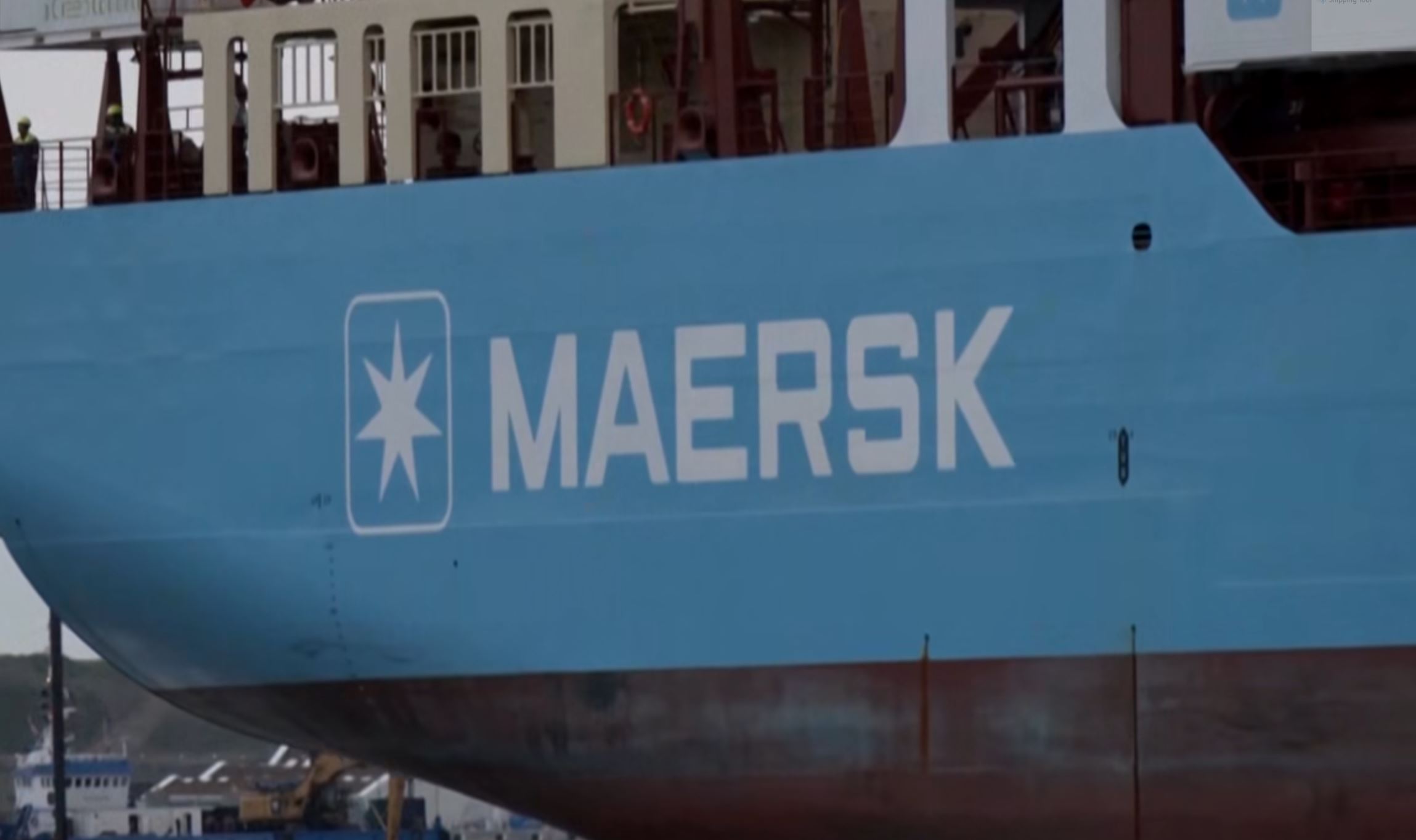
Operational Standstill
Following the incident, the vessel’s schedule has been disrupted. According to Lloyd’s List, the Source Blessing had transited the Strait of Hormuz just prior to a recent escalation in regional hostilities. After loading cargo at Hamad Port in Qatar, the ship has been oscillating between anchorages off Qatar and the UAE. Industry analysts suggest the vessel is likely holding position awaiting a security corridor for safe passage back to the Gulf of Oman.
This incident mirrors a report from the United Kingdom Maritime Trade Operations (UKMTO), which logged a similar attack on a cargo ship 35 kilometres north of Jebel Ali around the same time. While no injuries were reported in either case, the psychological and operational impact on the shipping sector is immediate.
Nordic Business Analysis: Implications for Investors and Logistics
For readers of the Nordic Business Journal, this incident is not merely a logistical footnote; it is a signal of broader economic risks affecting the Nordic region, particularly Denmark, home to A.P. Møller-Maersk.
1. The Nordic Exposure
Maersk remains a bellwether for the Danish economy. Any disruption to its fleet directly impacts investor confidence in the OMX Copenhagen index. While the Source Blessing is chartered, repeated incidents in the Persian Gulf force Maersk to make strategic decisions regarding route suspensions. Investors should monitor Maersk’s upcoming quarterly guidance for mentions of “force majeure” or schedule reliability adjustments.
2. War Risk Insurance Premiums
The immediate financial fallout of such incidents is felt in the insurance market. When a vessel is hit by shrapnel, even without a direct attack, Joint War Committee (JWC) areas of concern may be expanded. This triggers higher war risk premiums for all vessels transiting the Hormuz Strait. For Nordic importers and exporters, this cost is eventually passed down the supply chain, contributing to inflationary pressure on goods moving between Asia and Europe.
3. The 2024 Context: A Recurring Pattern
While this specific incident involves the Source Blessing, it must be viewed through the lens of the 2023-2024 security landscape. With ongoing Houthi disruptions in the Red Sea forcing many carriers to divert around the Cape of Good Hope, the Persian Gulf remains a secondary choke point of high concern.
Current Update: In the current climate, shipping alliances are prioritizing crew safety over speed. If the Gulf of Oman becomes deemed too high-risk, we may see a repeat of the Red Sea diversions. This adds 10-14 days to transit times, tightening global container capacity and potentially spiking freight rates in Q3 and Q4.
4. Strategic Recommendation
Nordic supply chain managers should audit their exposure to Gulf-originating cargo. Diversifying sourcing away from regions requiring Hormuz transit, or securing early freight contracts, may mitigate volatility. For investors, the resilience of Maersk’s logistics arm (vs. its ocean freight) will be key to watching how the company buffers these geopolitical shocks.
Editor’s Note & Follow-Up
Where do we go from here?
In our next issue, Nordic Business Journal will deep-dive into “The Cost of Security: How Nordic Shippers are Insuring Against Geopolitical War Risk.” We will interview leading marine insurance underwriters in Copenhagen and London to understand how premium hikes are calculated and what it means for your bottom line.
Connect With Us
Are you a logistics manager or investor affected by these routing changes? We want to hear your perspective.
- Submit a tip: editor@nordicbusinessjournal.com
- Join the debate: Follow us on LinkedIn @NordicBusinessJournal
- Subscribe: For daily briefings on Nordic trade and security, visit our website.
Stay informed. Stay ahead.