
In a move that underscores the growing regulatory scrutiny on international e-commerce in health products, the Danish Food, Agriculture and Fisheries Agency (Fødevarestyrelsen) has issued a public warning against three dietary supplements sold through the German-based online platform, Braintimize.dk.
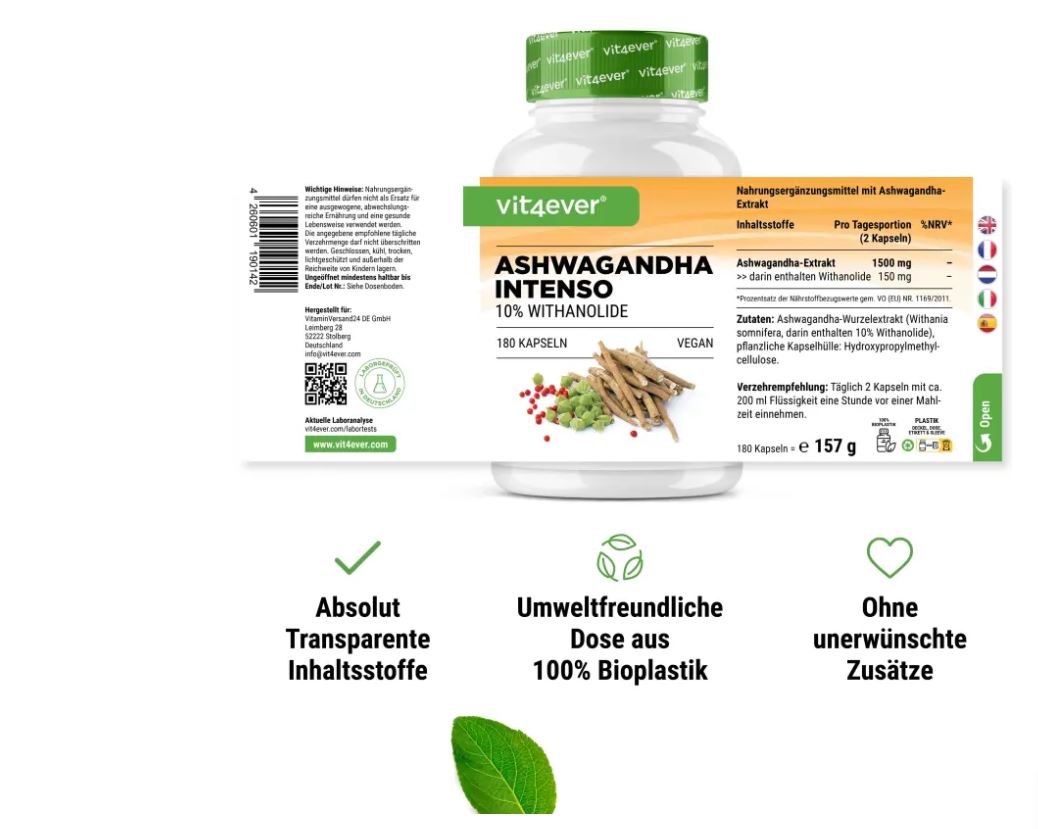
The products in question—”Ashwagandha Intenso,” “Brain Life,” and “Curcumin C3 Complex”—have been flagged for containing active botanical ingredients at concentrations the Agency deems harmful to consumers. The warning highlights a critical tension in the Nordic wellness market: the ease of cross-border online shopping versus the stringent safety standards upheld by local food safety authorities.
The Core Concerns: Potency and Purity
According to the Agency’s press release, the primary risks are tied to excessive dosages of two popular adaptogens: Ashwagandha and Curcumin.
1. Curcumin Overload: While Curcumin, the active compound in turmeric, is widely celebrated for its anti-inflammatory properties, dosage is critical. The European Food Safety Authority (EFSA) has established a tolerable upper intake level of 210 mg per day for a 70 kg adult. The Danish Agency points out that “Brain Life” contains nearly three times that amount (600 mg), and “Curcumin C3 Complex” contains nearly five times the recommended daily limit (1,000 mg). Such high doses, the Agency warns, can lead to hepatotoxicity (liver damage) and gastrointestinal distress, and pose specific risks during pregnancy, including potential lower birth weight.
2. Ashwagandha’s Unknown Threshold: The warning also targets “Ashwagandha Intenso.” Unlike Curcumin, EFSA has not established a safe upper intake level for Ashwagandha due to insufficient data on chronic consumption. The Danish Agency specifically notes that the ingredient can negatively impact the immune system and thyroid function, making high-dose supplements a significant health gamble.
The “Braintimize.dk” Dilemma: A Case Study in Regulatory Gaps
The fact that these products are sold via a website targeting Danish consumers (braintimize.dk) but likely operating under German jurisdiction creates a complex enforcement landscape. While the storefront is Danish-facing, the supply chain originates in Germany, where supplement regulations may differ or be enforced differently.
This situation presents a clear challenge for Nordic businesses and consumers alike. For the burgeoning health and wellness industry in Scandinavia, this serves as a cautionary tale about “jurisdiction shopping”—where sellers base themselves in countries with looser regulations while marketing to consumers in stricter markets like Denmark. For consumers, the warning is a reminder that “natural” does not equate to “safe” at any dose, and that products purchased across a digital border bypass the safety nets of the Danish retail market.
Market Analysis: The Unregulated Frontier of High-Potency Botanicals
From a business perspective, this incident reflects a growing trend in the European wellness sector: the “more is better” fallacy. As competition in the nutraceutical space intensifies, some manufacturers are pushing dosages to extremes to claim superior potency. However, the Danish Agency’s intervention signals that regulators are beginning to catch up with these unsubstantiated formulations.
For Nordic businesses, the takeaway is clear: sustainable growth in the supplement industry will hinge on dosage transparency and compliance with EFSA guidelines, not aggressive potency marketing. Companies that prioritise third-party testing and adhere to established safe intake levels will likely gain consumer trust as the market matures and regulators tighten their grip on cross-border e-commerce.
A Look Ahead: The Future of Cross-Border Supplement Regulation
As the European Union moves toward a more harmonised digital single market, we can expect increased cooperation between member states on health safety. The Danish Agency’s proactive warning may be a precursor to a broader crackdown on high-risk supplements sold online.
Follow-up Outlook:
In our next edition, we will investigate how the upcoming EU pharmaceutical legislation revisions aim to close the jurisdictional gaps in the dietary supplement market. We will analyse what these legal shifts mean for Nordic distributors who rely on importing wellness products from less regulated EU markets, and how businesses can future-proof their supply chains against sudden regulatory enforcement.
Connect with us:
To stay ahead of regulatory shifts and market trends in the Nordic health sector, subscribe to the Nordic Business Journal newsletter or contact our editorial team to share your insights.