
Geopolitical instability in the Middle East remains a critical risk factor for European security and economic planning. While current indicators do not suggest an immediate, mass exodus from Iran comparable to the 2015 Syrian crisis, the potential for rapid escalation remains high. For Nordic policymakers and business leaders, the question is not if the region should prepare, but how resilient our systems are should the Iranian regime’s grip loosen or regional conflict intensify.
The Lag Effect: Lessons from Syria
History suggests a delay between the onset of conflict and peak migration flows. Following the outbreak of the Syrian civil war in 2011, it took until 2015 for asylum applications in the EU to reach their zenith.
Bernd Parusel, researcher and migration expert at the Swedish Institute for European Policy Studies (Sieps), notes that this timeline is not fixed. “It could happen faster or slower depending on the nature of the collapse,” Parusel explains. “If the Iranian regime tightens its grip, targeting opponents, ethnic minorities, and political dissidents, flight could become immediate.”
The scale, however, is the differentiating factor. Syria has a population of approximately 26 million; Iran exceeds 90 million. Even a fraction of the displacement seen in Syria would translate to several million displaced persons, creating a logistical challenge of unprecedented magnitude for the EU and the Nordic council states.
The Regional Bottleneck
The trajectory of any potential migration wave depends heavily on Iran’s neighbours. Turkey, Pakistan, Afghanistan, and the Caucasus nations already host significant refugee populations. Their capacity to absorb a new influx is critically low.
“If neighbouring countries reach a breaking point, the pressure shifts to Europe,” says Parusel. “We are already seeing instability in the region. Their willingness and ability to accept additional large numbers of people are limited.”
For the Nordics, this is a specific concern. Unlike Southern Europe, the Nordic region is often a secondary destination. However, if primary entry points like Greece or Italy are overwhelmed, or if the EU activates redistribution mechanisms, Sweden, Norway, and Denmark will face renewed pressure to accept quota refugees.
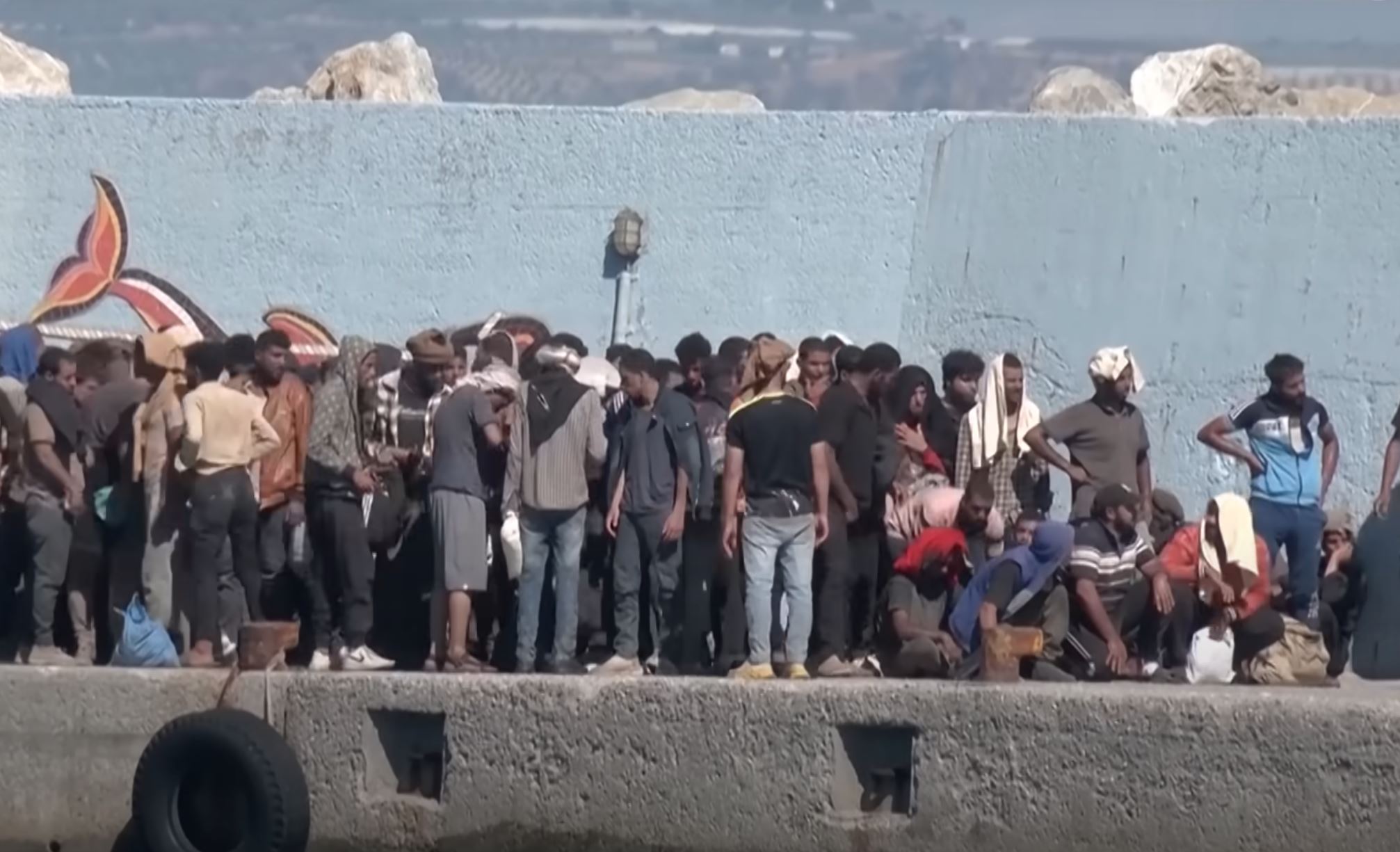
EU Policy Shift: From Open Doors to Externalisation
The European migration landscape has changed drastically since 2015. The EU has moved toward a policy of externalisation, cooperating with Middle Eastern and North African nations to limit migration flows in exchange for financial support and trade incentives.
In early 2024, the EU adopted the New Pact on Migration and Asylum, a comprehensive overhaul designed to speed up border procedures and share responsibility among member states.
“If there is a major refugee crisis originating from Iran, the immediate response will likely be increased support to transit countries to prevent movement northward,” analysts suggest. “The political will to activate the Mass Displacement Directive—similar to the Temporary Protection Status granted to Ukrainians—does not currently exist for Middle Eastern nationals.”
Legally, the EU is not obligated to process asylum claims until individuals reach its borders. However, moral and diplomatic pressure can override legal technicalities. If a key NATO ally like Turkey declares it can no longer manage the influx, the EU will be forced to act, regardless of domestic political climates in the Nordics.
Business and Economic Implications for the Nordics
For the readers of the Nordic Business Journal, the implications extend beyond humanitarian aid. A new migration wave intersects with critical economic factors:
1. Labor Market Dynamics: The Nordic region faces acute labour shortages in healthcare, engineering, and IT. While integration has historically been challenging, a targeted approach to skilled Iranian refugees (Iran has a high rate of tertiary education) could mitigate demographic decline.
2. Social Stability and Risk: Rapid demographic shifts without adequate integration infrastructure can fuel political polarisation. The rise of right-wing populism in Denmark and Sweden suggests that business leaders must factor social cohesion into their long-term risk assessments.
3. Public Finance: Integration costs are front-loaded. Municipalities in the Nordics may face budgetary strain, potentially impacting public investment in infrastructure that businesses rely on.
Strategic Outlook
The consensus among experts is that the EU is better prepared procedurally than in 2015, but political fragmentation remains a vulnerability. The Nordic model, characterized by high welfare spending and strong integration mandates, will be tested.
Scenario Planning:
Low Impact: Continued internal repression in Iran leads to a steady trickle of high-skilled asylum seekers. Opportunity: Talent acquisition for Nordic tech and health sectors.
High Impact: Regime collapse or regional war triggers mass displacement. Risk: Strain on municipal budgets, potential rise in security concerns, and political volatility.
Business leaders should monitor the stability of Iran’s currency and the geopolitical temperature between Tehran and Tel Aviv/Washington as leading indicators. Preparedness is not just a government task; it is a corporate imperative for maintaining a stable operating environment in the North.
Editor’s Note & Future Direction
Follow-Up Analysis:
In our next issue, we will deep-dive into “The Nordic Labor Paradox: Can Migration Solve the Demographic Crisis?” We will analyse the ROI of integration programs in Sweden and Denmark compared to the cost of labour shortages, featuring interviews with HR directors at major Nordic conglomerates.
Connect With Us:
The Nordic Business Journal is committed to providing forward-looking analysis for the region’s decision-makers. Do you have insights on geopolitical risk or migration policy? We want to hear from you.
- Submit a tip or opinion piece: editorial@nordicbusinessjournal.com
- Subscribe for weekly briefings: www.nordicbusinessjournal.com/subscribe
- Join the conversation on LinkedIn: @NordicBusinessJournal
Stay informed. Stay ahead.