
Strategic Analysis: How the convergence of climate-driven “coolcation” trends and post-pandemic premium travel preferences is reshaping Norway’s Arctic economy
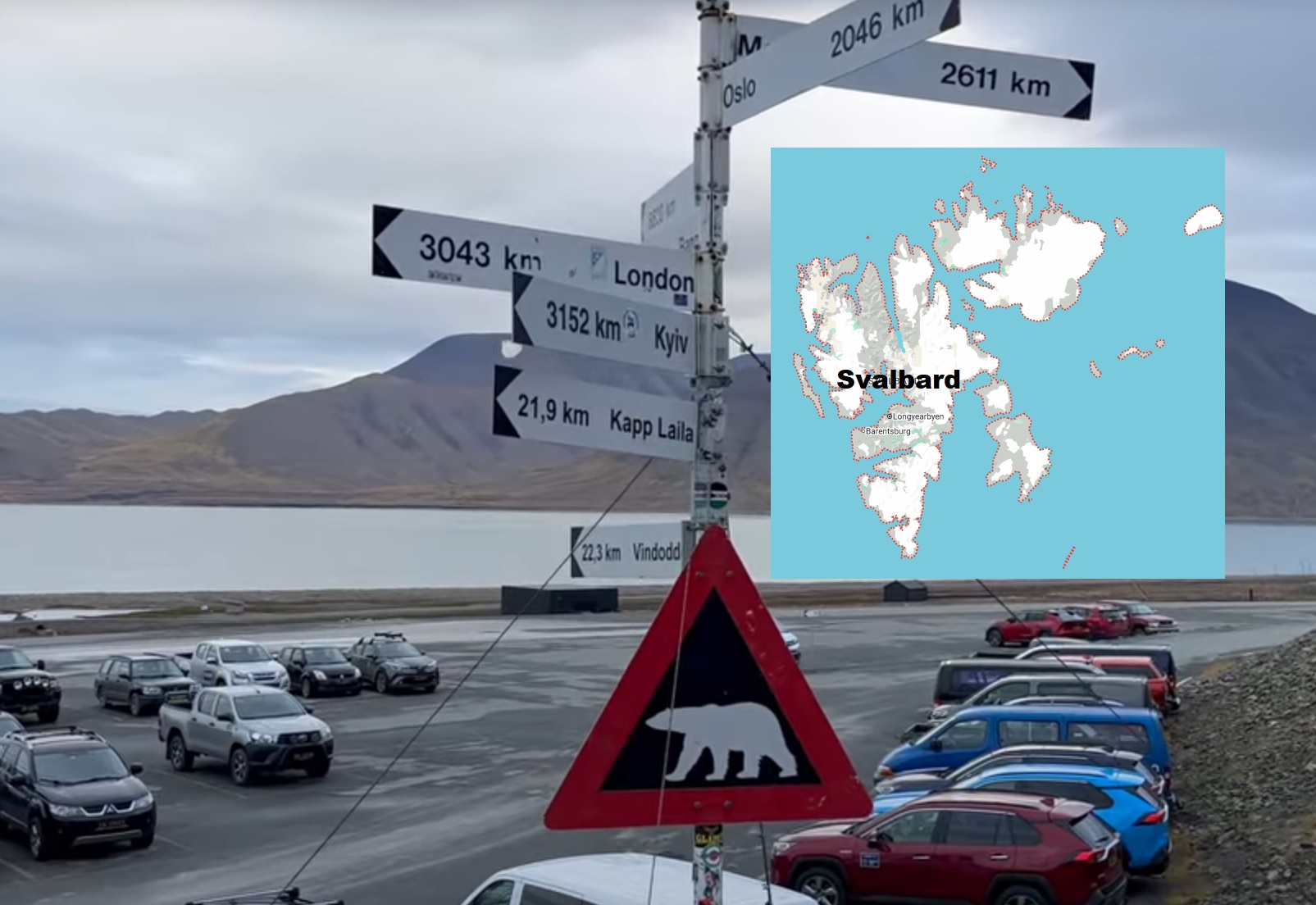
Chinese tourism to Svalbard has more than doubled in the past year, with overnight stays jumping from 535 in February 2024 to 1,362 in February 2025—a 154% increase that signals a broader shift in high-value travel patterns, according to data from Visit Svalbard cited by NRK.
While Norwegian tourists remain the archipelago’s largest visitor demographic, the Chinese surge represents something more significant than raw numbers: it marks Svalbard’s emergence as a strategic beneficiary of two converging global trends—the post-pandemic premium travel recovery and the accelerating “coolcation” phenomenon.
The Business Context: Why Svalbard, Why Now
The Svalbard spike is not occurring in isolation. Northern Norway recorded a 16% year-on-year increase in international guest nights throughout 2025, with winter tourism emerging as a core economic driver rather than a seasonal niche. The region is capitalising on what industry analysts now recognise as a structural shift in European travel behaviour—families and high-net-worth travellers from southern Europe and Asia increasingly choosing Arctic destinations over traditional Mediterranean summers due to climate-driven heat aversion.
For Chinese travellers specifically, the timing aligns with broader market dynamics. China’s outbound tourism has rebounded with premium characteristics—visitors are staying longer and spending more per trip. It also noted that there has been “increased interest in the Arctic,” and current data suggests this interest is specifically manifesting in high-yield, experience-based travel. The Northern Lights tourism market alone is projected to grow from $1.04 billion in 2025 to $1.65 billion by 2030, at a 9.7% CAGR.
Strategic Implications for the Svalbard Economy
The Chinese visitor surge carries particular weight given Svalbard’s economic transition. With the closure of Gruve 7 in summer 2025 marking the end of the archipelago’s coal mining era, tourism has become the primary economic pillar—contributing approximately 9% of local GDP through cruise operations alone, which generated nearly $36 million in 2024.
However, this growth arrives alongside strict new environmental regulations introduced in January 2025. The Norwegian government has banned cruise ships carrying more than 200 passengers from protected areas, restricted landings to 43 approved sites, and mandated 300–500-metre distances from polar bears. These constraints, while environmentally necessary, create a supply bottleneck that paradoxically favours higher-spending, smaller-group tourism—the precise segment Chinese visitors are increasingly representing.
The China-Norway Diplomatic Dimension
The tourism spike also reflects improving bilateral relations. China’s 30-day visa-free entry policy for Norwegian citizens, introduced in late 2023, has more than doubled Norwegian travel to China within a year, creating reciprocal momentum. Ambassador Vebjørn Dysvik notes that bilateral trade reached $8.27 billion in the first half of 2025, with over 160 Norwegian companies now operating in China.
This diplomatic thaw matters for Svalbard’s tourism operators. Chinese travellers to Norway are increasingly sophisticated, seeking bookable, structured experiences rather than passive sightseeing—a demand profile that aligns with Svalbard’s regulated, guide-dependent tourism model.
Critical Challenges: Sustainability vs. Growth
The Chinese influx presents both opportunity and risk. Research published in late 2025 highlights the tension between tourism growth and Svalbard’s fragile ecosystem, noting that increased operating costs and stricter regulations could transform the archipelago into an “exclusive, elite tourism destination”—potentially excluding broader markets but maximising per-visitor economic value.
Climate change compounds these challenges. Svalbard has warmed by four degrees Celsius since the 1970s, warming at six times the global average. While melting ice extends the tourism season, it also threatens the very Arctic wilderness that draws visitors.
What This Means for Nordic Business
For investors and operators in Arctic tourism, the Chinese Svalbard surge signals three actionable trends:
1. Premium Positioning Pays: The market is shifting toward high-value, low-volume tourism. Operators investing in quality guides, exclusive access, and sustainable practices will capture the Chinese premium segment.
2. Infrastructure Constraints Create Competitive Moats: The 200-passenger cruise limit and restricted landing sites mean existing permitted operators hold valuable scarcity advantages. New entrants face significant regulatory barriers.
3. Year-Round Revenue Potential: Chinese interest in February—traditionally deep winter—suggests Svalbard can extend beyond peak aurora season, supporting the “Arctic-365” strategy of flattening seasonality.
The 154% increase in Chinese overnight stays is more than a post-pandemic rebound—it is an early indicator of how climate change, diplomatic realignment, and evolving luxury travel preferences are redrawing Arctic tourism economics. For Svalbard, successfully capturing this market without compromising environmental integrity will determine whether the archipelago becomes a model for sustainable high-value tourism or a cautionary tale of overtourism in fragile ecosystems.
Norwegian tourism stakeholders should view the Chinese surge not as a volume opportunity to be maximized, but as validation that Arctic destinations can command premium positioning in the world’s largest outbound tourism market—provided they maintain the exclusivity and authenticity that justify the journey to 78° North.
What’s Next
In our next issue, we will examine how Svalbard’s tourism operators are adapting their service models to meet Chinese traveller expectations while navigating Norway’s strict new Arctic environmental regulations. We will also analyse the investment landscape for sustainable tourism infrastructure in the High North.
Connect with Nordic Business Journal
For insights on Arctic business opportunities, sustainable tourism investment, or to contribute to our coverage of Nordic-Asia commercial relations, contact our editorial team or connect with us on LinkedIn. Subscribe to our briefing for exclusive data on emerging Nordic market trends.
This analysis was compiled using data from Visit Svalbard, NRK, the Norwegian Ambassador to China, and recent academic research on Arctic sustainable development.