
How shifting environmental policies and climate pressures are reshaping one of Europe’s most complex marine conservation challenges—and what it means for Nordic maritime industries
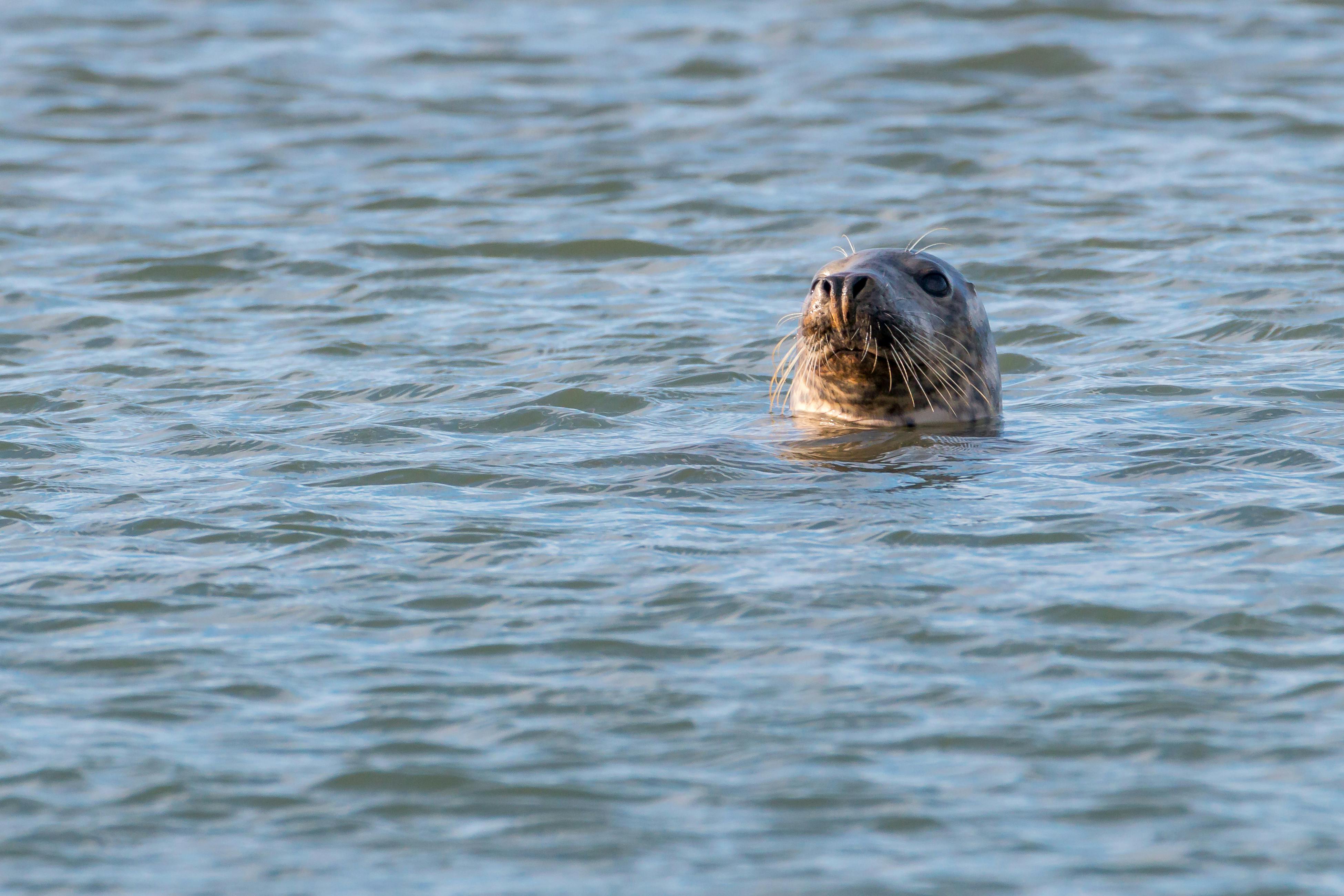
The Baltic Sea’s recovering gray seal populations are sending mixed signals about the health of Northern Europe’s most vulnerable marine ecosystem. While aerial surveys conducted in 2024 counted approximately 45,877 gray seals during molting season—with total population estimates reaching 57,000–76,000 individuals—these figures mask growing concerns about breeding success, climate adaptation, and the economic tensions between conservation imperatives and commercial fishing interests .
The Business of Conservation: Beyond the Headlines
Recent drone-based monitoring by researchers at the Swedish University of Agricultural Sciences reveals that newborn seal pups face survival rates of merely 70%, with climate change fundamentally altering their breeding landscape. “What has happened with climate change is that the supply of ice is extremely limited,” notes Karl Lundström, highlighting a critical shift: seal pups born on ice demonstrate significantly higher survival rates than those born on land.
This ecological reality carries substantial economic implications. The Baltic Sea Advisory Council (BSAC) emphasized in late 2024 that seal conservation and management must navigate simultaneous pressures: species interaction, climate change, eutrophication, and salinity changes—all while balancing the needs of commercial fisheries.
Regulatory Evolution: Trawling Limits and Marine Protected Areas
The article’s reference to “trawl limits moved further out from the coast” connects to significant regulatory developments. On March 27, 2025, the Swedish Parliament is scheduled to vote on a general ban on bottom trawling in marine protected areas within the trawl limit—a measure that sounds straightforward but has been complicated by years of exceptions granted by the Swedish Agency for Marine and Water Management (SwAM).
The proposed legislation, detailed in Proposition 2024/25:81, paradoxically maintains the possibility of derogations “if there is an urgent need for bottom trawling and it does not undermine the purpose of the area protection.” This regulatory tension—between conservation goals and fishing industry exemptions—exemplifies the broader challenge facing Nordic marine policy.
Current bottom trawling in protected areas primarily occurs in:
- Kosterfjorden and Gullmarsfjorden (shrimp and Norway lobster fisheries)
- Kalix and Bergöfjärden in the Gulf of Bothnia (vendace fishing)
These exceptions highlight the ongoing negotiation between environmental protection and commercial viability in Nordic waters.
Population Dynamics: The Conservation-Economy Interface
The Baltic gray seal population presents a complex management case. Despite growing approximately 5% annually since 2003, the population has failed to achieve “good environmental status” under HELCOM assessments because growth rates remain below the 7% threshold indicative of healthy, undisturbed populations.
Critical management thresholds for 2026-2027:
| Metric | Current Status | Threshold | Assessment |
| Population Abundance | 57,000–76,000 | 10,000 (LRL) | ✓ Exceeded |
| Annual Growth Rate | ~5.1% | 7% | ✗ Below target |
| Swedish Hunting Quota | 1,500 (max) | Sustainable harvest: 1,900–2,400 | At limit |
Sources: Swedish Environmental Protection Agency 2025; Carroll et al. 2024; Vanko et al. 2025
The hunting quota debate intensified in October 2024 when EU Council discussions revealed most Baltic member states calling for “more robust measures for seals,” including potential revisions to trade bans on seal products. The European Commission has reserved its position pending a “fitness check” of current regulations, with outcomes expected in early 2025.
Cross-Border Complexity: The Danish Recolonisation Challenge
The gray seal’s recolonization of Danish waters—after local extinction around 1900—illustrates the transnational nature of Baltic marine management. Denmark currently assesses gray seals as having “unfavourable conservation status” due to limited breeding distribution and low breeding activity.
Swedish hunting quotas for 2026-2027 include 1,350 licensed hunts plus 150 protective hunts, with Danish authorities expressing concern that combined Swedish and Finnish hunting pressure (totalling 2,400 seals annually, plus bycatch exceeding 2,000 animals) could delay conservation status recovery across the region.
Climate Change: The Overarching Variable
The Antarctic sea ice research mentioned in the original article—utilising elephant seal measurements to document “one of the biggest changes we have seen in the Earth’s climate system”—provides crucial context. The mechanism described, where warming deep water weakens protective cold-water layers beneath ice, has direct parallels to Baltic conditions.
For Baltic gray seals, climate change creates a reproductive paradox: while the population grows overall, ice-dependent breeding success declines. This “facultative ice breeding” species shows considerably greater breeding success on ice than on land, yet ice availability continues to diminish.
Strategic Implications for Nordic Business
Fisheries Management: The ongoing seal-fishery conflict requires ecosystem-based approaches that account for seal predation on commercial fish stocks while maintaining population recovery. The BSAC recommends enhanced dialogue between conservation and fishing interests, with particular attention to bycatch reduction.
Maritime Spatial Planning: Growing competition for marine space—between offshore wind development, shipping lanes, protected areas, and fishing grounds—demands coordinated cross-border planning. The World Wildlife Fund’s 2022 assessment noted that Baltic EU member states’ maritime spatial planning “lacks the necessary consistency across borders”.
Regulatory Forecasting: Businesses operating in Baltic marine sectors should monitor the EU’s forthcoming “fitness check” of seal protection regulations, expected to address trade restrictions and potential framework adjustments for ecosystem-based management hunting.
Follow-Up: The Next Chapter
Coming in our next issue: An in-depth analysis of the EU’s “fitness check” outcomes and their implications for Nordic fishing industries, plus exclusive interviews with maritime spatial planners navigating the wind energy-fisheries interface.
Connect with Nordic Business Journal:
- Editorial inquiries: editor@nordicbusinessjournal.com
- LinkedIn: Nordic Business Journal
- Newsletter: Subscribe at nordicbusinessjournal.com for weekly Baltic marine policy updates
We welcome your perspectives on balancing conservation imperatives with commercial viability in Nordic waters. What regulatory developments are most critical for your sector?
About this coverage: This article synthesises current research from the Swedish University of Agricultural Sciences, Danish Centre for Environment (DCE), HELCOM, and the Baltic Sea Advisory Council, with additional reporting on Swedish parliamentary proceedings and EU Council discussions.