
A Nordic Business Perspective on the Strait of Hormuz Blockade
Some African capitals, like Nairobi and Johannesburg, are still enjoying pre-crisis petrol prices—but not for long. In South Africa and Kenya, authorities are burning through reserves to keep fuel affordable through April, betting the Gulf conflict eases before subsidies break the budget. Meanwhile, Brent crude has rocketed from $67 to over $108 per barrel since February 28, after U.S. and Israeli strikes on Iran triggered the Strait of Hormuz blockade. For Africa, this isn’t just an energy shock—it’s a wake-up call, exposing decades of underinvestment in refining, farming inputs, and economic resilience.
The Arithmetic of Vulnerability
The International Energy Agency reports that Gulf refining capacity has contracted by over 3 million barrels per day due to strikes and halted exports. Africa, a net crude exporter yet overwhelmingly dependent on imported refined products, is caught in a perfect storm.
The paradox is stark: Nigeria, Africa’s largest oil producer, imports 54% of its refined products. Angola imports 72%, Ghana 77%. The Dangote Refinery, operational since early 2024, promised to reverse this trend but even at full capacity can supply only a fraction of West Africa’s demand. Projections indicate that by 2050, Africa will need over 1.5 million barrels per day in refined imports.
When oil prices spike, African countries face a triple blow:
- Import inflation: Every $10 increase in Brent crude adds $4–5 billion annually to Africa’s import bill.
- Currency depreciation: Flight to dollar-safe assets weakens local currencies, making oil imports costlier.
- Fertilizer price surges: Natural gas, essential for nitrogen fertilizer, is rising sharply after attacks on Iran’s South Pars field, threatening planting across Sub-Saharan Africa.
From Energy Shock to Food Crisis
The World Food Programme warns that if oil prices stay above $100 per barrel through mid-2026, an additional 45 million people worldwide could face acute food insecurity. This compounds an already dire baseline: 55 million people in West and Central Africa face crisis-level hunger during the June–August lean season, including 15,000 in Nigeria’s Borno State at catastrophic levels (IPC-5) for the first time in a decade.
The mechanism is brutally simple: higher fuel costs drive up food transport expenses; higher gas prices increase fertilizer costs. With LNG shipments from Qatar disrupted, fertilizer prices are spiking just as planting begins across the Sahel. The WFP has already reduced assistance to 300,000 children in Nigeria and warns that 500,000 people in Cameroon could lose support imminently, yet donor fatigue is severe, with U.S. and European partners reprioritizing resources to domestic needs and military commitments.
The Fragility Index: Who Hurts Most?
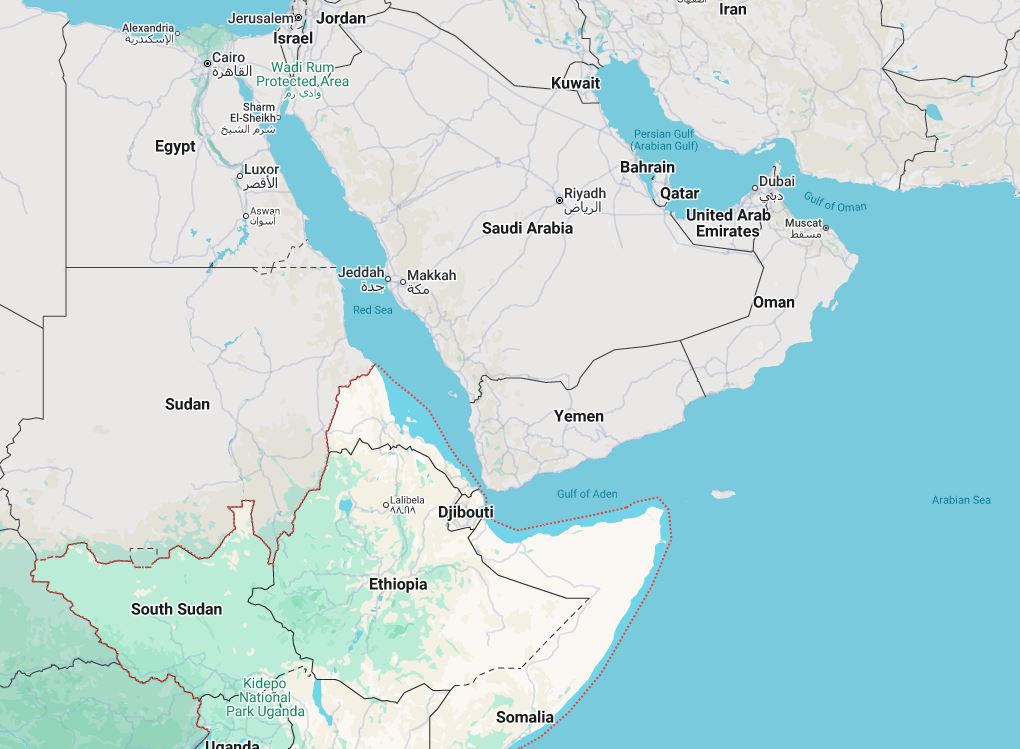
According to Zero Carbon Analytics, Senegal, Benin, Eritrea, Burkina Faso, and Zambia are most exposed due to high oil import dependency and depleted reserves. These countries lack the fiscal headroom to subsidize fuel or absorb currency shocks.
South Africa, Africa’s traditionally resilient economy, illustrates the contagion effect. Despite modest unemployment gains in late 2025, the government faces an R7 per litre fuel price increase in April 2026. Weak electricity and transport reforms could undo fragile economic progress.
Ethiopia offers a contrasting narrative. Aggressive electrification of road transport has lowered oil import dependence, creating a buffer against the current shock. Investments in renewable energy and battery storage, rather than gas-fired plants, demonstrate how strategic energy transitions can insulate economies from global energy volatility.
The SDG Reckoning
The UN Sustainable Development Goals, aimed at eradicating extreme poverty by 2030, have suffered serial setbacks. COVID-19 stalled progress, the Ukraine war drove food and fertilizer price spikes, and now the Iran crisis compounds these vulnerabilities.
Globally, 800 million people live in extreme poverty, with Africa disproportionately affected. The “poverty premium”—the extra cost the poor pay during market volatility—has never been more visible. In Europe, a 20% fuel price spike prompts discretionary spending adjustments; in Africa, smallholder farmers cannot transport crops, buy fertilizer, or feed their families.
For a few countries—Nigeria, Ghana, Angola—higher crude revenues offer temporary relief, yet currency depreciation and import dependency erode any net gain. For most of Africa, there is no upside, only damage control.
Strategic Implications for Nordic Business
Nordic enterprises with African operations or supply chains face urgent decisions:
- Supply chain resilience: Evaluate exposure to diesel-dependent transport networks.
- Currency hedging: Prepare for volatility in import-dependent markets.
- Agricultural investments: Factor fertilizer price spikes into contract farming and commodity sourcing.
- Energy transition partnerships: Explore grid modernization and renewable energy projects to reduce fossil fuel dependence.
Nordic countries, with strong development finance and green tech expertise, can help Africa pivot from a vulnerable import model to resilient, locally grounded energy systems.
The Path Forward
Iran is considering tolls for Strait of Hormuz passage, effectively monetizing the blockade. U.S. demands for NATO intervention have seen limited response, and resolution remains distant.
For Africa, immediate priorities include:
- Fuel subsidies where fiscally feasible
- Strategic reserve releases
- Accelerated safety net deployment
Medium-term imperatives demand structural transformation: boosting refining capacity, localizing fertilizer production, and electrifying transport.
The poverty premium will persist as long as Africa remains downstream in global energy markets. The Iran crisis underscores that Gulf geopolitical risk is not abstract—it is an existential economic variable.
Next in Nordic Business Journal: “Green Industrialisation: How Nordic Technology Partnerships Can Reduce Africa’s Energy Import Dependency” — examining investment opportunities in downstream energy infrastructure, fertilizer production, and electric mobility. Nordic expertise can turn crisis into lasting transformation.
Connect with us: Follow Nordic Business Journal on LinkedIn or subscribe to our Africa-Europe Trade Briefing for ongoing analysis of energy security and investment opportunities. Contact editor@nordicbusinessjournal.com to contribute perspectives or request custom research.
This analysis reflects market data as of March 19, 2026. Oil prices and conflict developments remain volatile; consult real-time sources before trading decisions.