
A sharp escalation in geopolitical tensions has triggered a rapid repricing of energy commodities across the Nordic region, presenting immediate challenges for corporate operational expenditure and logistics planning. In a matter of days, diesel and electricity markets have reacted violently to the unfolding situation in the Middle East, signalling a potential period of sustained inflationary pressure for Q2 and beyond.
The Fuel Shock: Logistics and Transport at Risk
The most immediate impact is visible at the pump. Over a 48-hour period this week, diesel prices surged by more than 2 SEK per litre, settling between 24 and 25 SEK. Since the escalation of conflict involving Iran began in late February, the cumulative increase stands at approximately 7 SEK per litre—a 40 percent spike bringing corporate pump prices to roughly 24.50 SEK.
Gasoline has seen a parallel trajectory, rising nearly 4 SEK to approximately 19 SEK per litre, varying by station type. While these figures approach the peaks seen during the initial phase of the Ukraine war in 2022 (when diesel exceeded 28 SEK), the velocity of this current increase is alarming for fleet managers.
Business Impact Analysis:
For the transport and logistics sector, this is not merely a consumer issue. A 40 percent increase in diesel costs directly erodes margins for haulage companies. Businesses relying on just-in-time delivery models must immediately reassess fuel surcharges and contract terms. Unlike 2022, where the shock was prolonged, this sharp spike suggests a market pricing in immediate supply disruption risk rather than long-term structural deficit.
Electricity Markets: The Continental Contagion
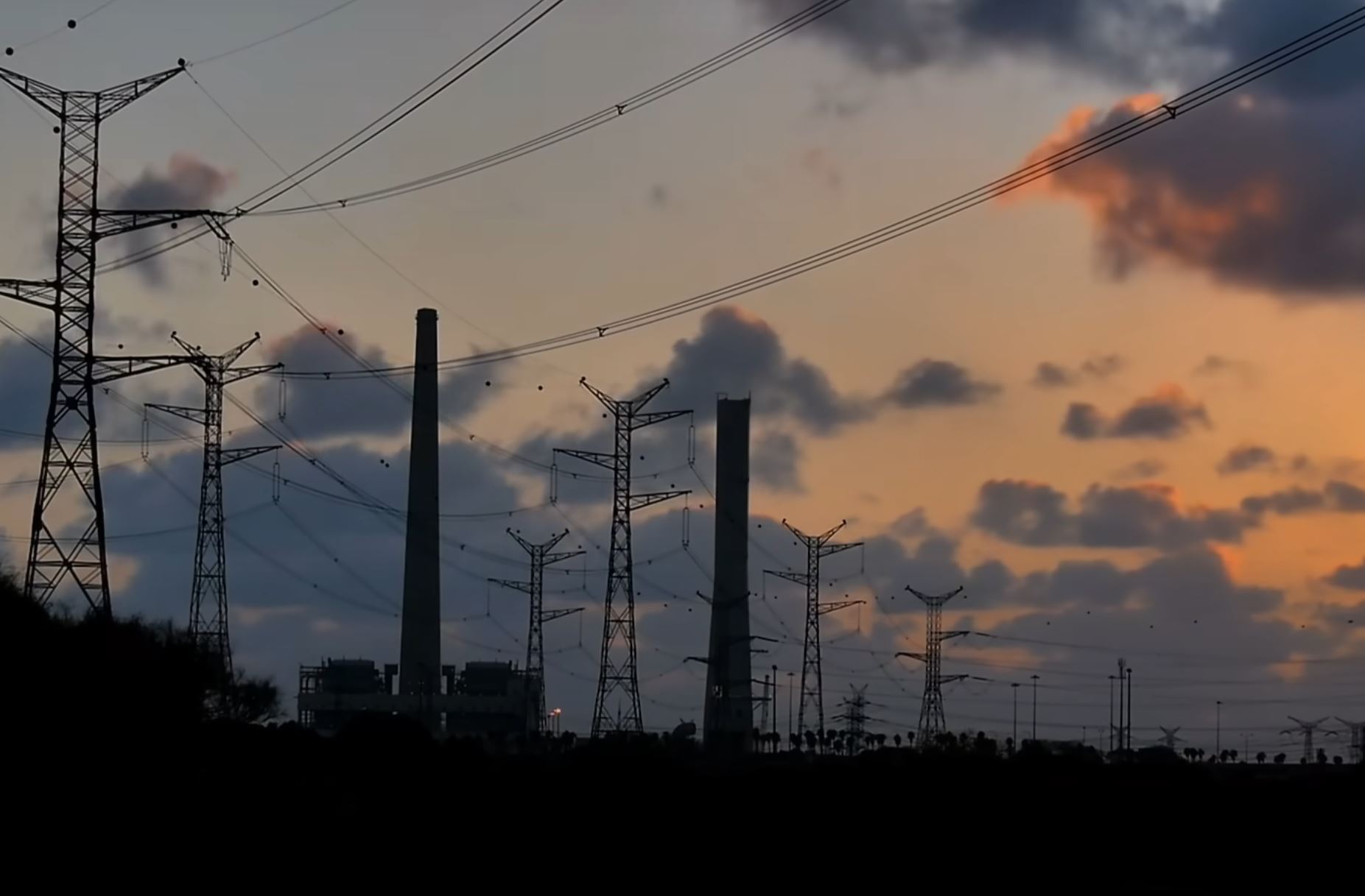
While Sweden’s Nordic power grid is generally resilient, the integration with the European continent means domestic prices are increasingly vulnerable to external shocks. Following the geopolitical escalation, electricity contracts for Q2 delivery have risen by 20 percent.
The disparity between Nordic regions remains stark. In Electricity Area 4 (Southern Götaland), prices are trading at an average of 90 öre/kWh (excluding surcharges), significantly higher than the northern regions.
“The market is pricing in risk,” says Christian Holtz, electricity analyst at Merlin & Metis. “While hydro levels in the north provide a buffer, the southern grid is exposed to continental gas prices. With gas facilities in conflict zones facing disruption, Amsterdam commodity exchange prices have doubled in weeks. This contagion effect will likely sustain higher prices in southern Sweden through 2027.”
Strategic Hedging: To Fix or Not to Fix?
For CFOs and energy procurement officers, the question of hedging is critical. Historically, fixing electricity prices provides budget certainty. However, current forward curves suggest that the premium for certainty is at an all-time high.
“One-year fixed contracts are currently trading just over 1 SEK per kWh, excluding VAT and network fees,” notes Patrik Södersten, electricity price expert at Fortum. “Retrospectively, April was the optimal hedging window last year. Currently, the cost of locking in long-term contracts is prohibitive. We may see a more favourable entry point in the autumn, provided geopolitical stability returns.”
Strategic Recommendation:
Rather than expensive fixed contracts, the current market favours flexibility.
1. Load Shifting: Price volatility is intraday. High solar production in Germany often drives midday prices down (occasionally negative), while morning and evening peaks can reach 2 SEK/kWh.
2. Consumption Control: Industrial actors with flexible production schedules should prioritize shifting energy-intensive processes to off-peak hours.
3. Monitor Gas Storage: European gas stocks are currently below seasonal norms. Any further supply chain interruption could trigger a secondary price spike in winter.
Market Data: Nord Pool Exchange Averages (March)
Average electricity price on the Nord Pool exchange up to March 20. Note: Retail prices will include markup, tax, VAT, and network fees (adding >1 SEK/kWh).
| Electricity Area | Current Avg (öre/kWh) | Monthly Avg Projection (öre/kWh) |
| Area 4 (South) | 93 | 60 |
| Area 3 (Central) | 67 | 51 |
| Area 2 (North) | 23 | 11 |
| Area 1(Far North) | 24 | 16 |
Outlook
The convergence of high fuel costs and volatile electricity prices suggests a challenging Q2 for Nordic businesses. Companies with high energy exposure are advised to stress-test their balance sheets against a scenario where diesel remains above 24 SEK and southern electricity prices average above 1 SEK/kWh including fees.
🔎 Editor’s Note & Next Steps
In our next issue, we will dive deeper into “Corporate Hedging Strategies in Volatile Markets.” We will analyse how leading Nordic firms are using derivatives and Power Purchase Agreements (PPAs) to insulate themselves from geopolitical energy shocks. Is your procurement strategy resilient enough?
💬 Connect With Us
We want to hear from you. How is your organisation managing rising energy costs? Share your insights or request a consultation with our energy analysts by contacting us at editorial@nordicbusinessjournal.com or visit our LinkedIn page to join the conversation.