
Analysis: The traditional safe haven is losing its luster as energy shocks force a monetary policy reckoning
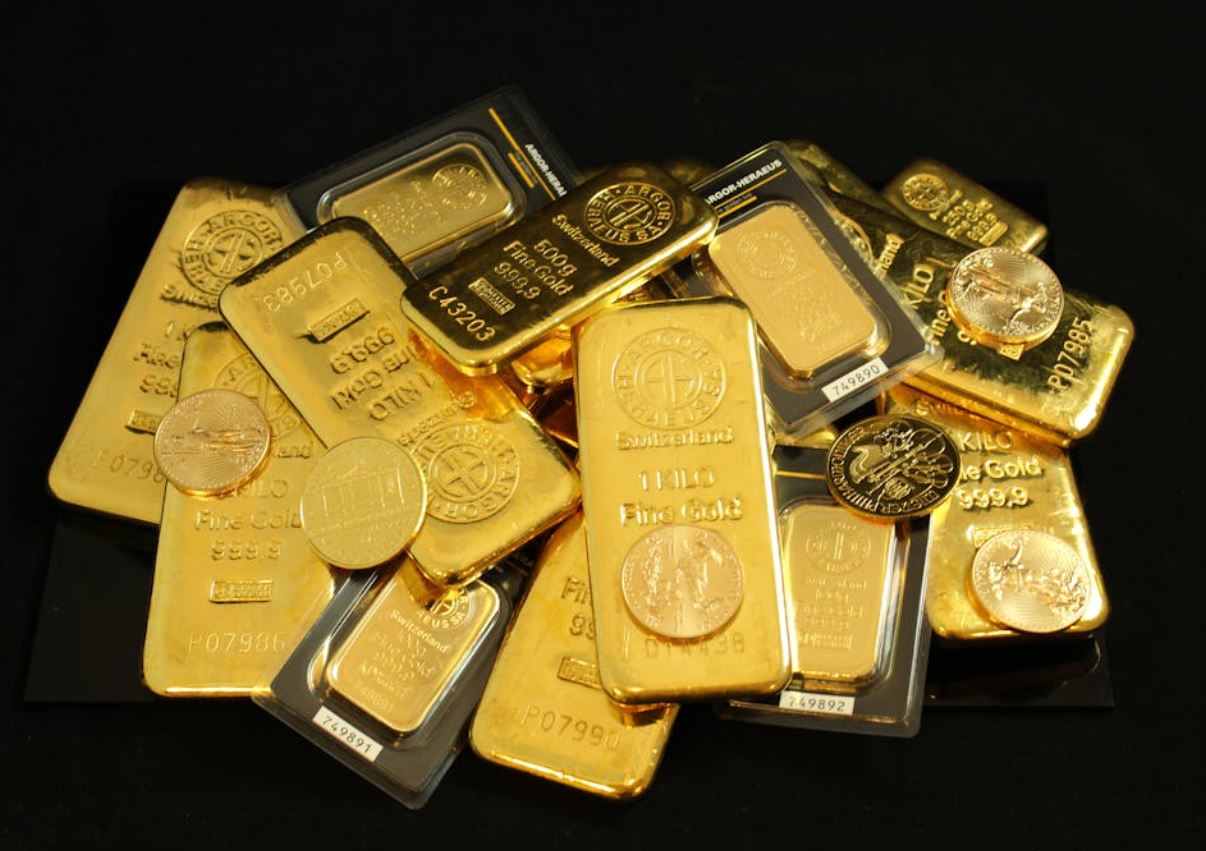
Gold prices plunged to $4,368.77 per ounce on Monday, marking a ninth consecutive day of declines and the precious metal’s worst weekly performance in 43 years. The 7% single-day drop reflects a profound shift in investor behaviour as the escalating conflict in Iran forces markets to confront an uncomfortable reality: in an energy crisis, even safe havens become vulnerable.
The Great Rotation: From Bullion to Bonds
The selloff, which has erased over 15% from gold’s value in the past month, stems from a fundamental repricing of risk. Since the outbreak of war on February 28, energy prices have surged more than 50%, with Brent crude trading above $110 per barrel. This energy shock has triggered aggressive market positioning for Federal Reserve rate hikes, creating a perfect storm for non-yielding assets.
“The scale of the gold sell-off is not unique, but the pace of the sell-off has been much faster than on several other historical occasions,” observes Wayne Gordon, investment adviser at UBS [original source]. The rotation is stark: investors are abandoning gold for interest-bearing assets, particularly U.S. Treasury bonds, which offer increasingly attractive yields as inflation expectations harden.
The Federal Reserve’s March 18 decision to hold rates at 3.50%-3.75% while projecting higher inflation through 2026 has only accelerated this trend. With the Fed dot plot indicating persistent inflationary pressure from energy costs, the opportunity cost of holding zero-yield gold has risen dramatically.
Dollar Dominance and Nordic Implications
The U.S. dollar’s surge since the conflict began has compounded gold’s woes, making dollar-denominated bullion prohibitively expensive for European and Asian investors. For Nordic institutional investors—who have historically maintained significant gold allocations through sovereign wealth funds and pension systems—this creates a currency double-whammy: falling metal prices amplified by unfavourable EUR/USD and NOK/USD movements.
The implications extend beyond portfolio valuations. Sweden’s Riksbank and Norway’s Norges Bank face acute policy dilemmas. With European natural gas prices (TTF) jumping to €54/MWh and the euro weakening below 1.15 against the dollar, the region faces imported inflation at precisely the moment when growth indicators are softening.
Market Contagion: From Singapore to Stockholm
Asian equity markets led global declines Monday following President Trump’s weekend ultimatum demanding Iran reopen the Strait of Hormuz within 48 hours or face attacks on its energy infrastructure . The Stockholm Stock Exchange opened 2.45% lower, tracking broader European weakness as investors grappled with the implications of a potential blockade of the world’s most critical oil chokepoint.
The Strait of Hormuz handles approximately 20% of global oil shipments. Its effective closure since late February—initially driven by insurance contract adjustments, now by active military threats—has forced Gulf producers including Iraq and Kuwait to curtail production as storage capacity fills.
Diplomatic Pivot: Trump’s Five-Day Reprieve
In a dramatic reversal Monday, President Trump announced a five-day suspension of planned military strikes against Iranian power plants, contingent on “positive” progress in ongoing negotiations. The move temporarily defused immediate escalation risks but left markets unsettled, particularly after Iranian officials responded with threats to attack regional energy infrastructure and desalination facilities should the U.S. proceed with infrastructure targeting.
The temporary detente has done little to resolve underlying tensions. Iranian missile strikes against UAE targets continued Monday morning, and Tehran’s Defence Council has warned that “non-belligerent” countries must now coordinate with Iran to transit the Strait—a direct challenge to freedom of navigation principles.
Strategic Analysis: What This Means for Nordic Business
Energy Security Realignment: The crisis exposes Europe’s persistent vulnerability to Gulf supply disruptions. Nordic companies with exposure to petrochemical inputs, shipping, or aviation face margin pressure that hedging strategies may not fully offset. The Joint Statement from 23 nations—including Norway, Sweden, Finland, and Denmark—condemning Iran’s actions signals coordinated strategic reserve releases, but these are temporary measures.
Monetary Policy Divergence: While the Fed maintains its hawkish stance, the European Central Bank faces conflicting pressures. The Nordic region’s export-dependent economies must navigate a strengthening dollar environment that benefits exporters but squeezes import costs.
Portfolio Restructuring: Gold’s failure to perform as a crisis hedge during an actual geopolitical shock challenges conventional asset allocation model. Institutional investors may need to reconsider the role of commodities in risk management, particularly when energy inflation drives monetary policy responses.
ESG Considerations: The crisis highlights the complex trade-offs in energy transition strategies. Short-term reliance on fossil fuel stability may delay decarbonization timelines, yet the volatility also reinforces the strategic case for renewable energy independence—a long-standing Nordic priority.
Looking Ahead
The five-day negotiating window creates a binary outcome risk. A diplomatic breakthrough could trigger rapid reversal in energy prices and gold’s safe-haven recovery; escalation would likely force the Fed into more aggressive tightening, extending the pressure on non-yielding assets.
For Nordic businesses, the immediate priority is stress-testing supply chains against prolonged Hormuz disruption scenarios and reassessing currency exposures. The region’s historical strength in maritime technology, alternative energy, and crisis management positions it to navigate volatility—but only with proactive adaptation.
What’s Next: Nordic Business Journal will publish an exclusive analysis on Thursday examining how Swedish and Norwegian sovereign wealth funds are repositioning their commodity exposures amid the crisis. We will also assess the implications for Nordic green hydrogen export strategies as Europe accelerates energy security diversification.
Connect with us: Follow our real-time coverage on LinkedIn and X @NordicBizJournal, or subscribe to our weekly executive briefing at nordicbusinessjournal.com/newsletter. For editorial inquiries or to contribute expert commentary, contact editor@nordicbusinessjournal.com.
This analysis reflects market conditions as of March 23, 2026. All investment decisions should consider individual circumstances and professional advice.