
On the heels of a challenging satellite launch attempt at Andøya, Minister of Trade and Industry Cecilie Myrseth has signed a landmark agreement in Brussels, cementing Norway’s participation in the European Union’s new satellite communications initiative. The agreement, concluded a day after the failed rocket launch, marks a significant leap in Europe’s ambitions to bolster its autonomy in space.
A New Era for European Satellite Communication
The European space landscape is witnessing a transformation. Today, the United States and China dominate satellite launches, which play a critical role in communication, surveillance, and navigation. However, Europe is now pushing back, with Norway taking a central role, especially through its Andøya launch site. While it remains the only operational spaceport on the European mainland for now, Andøya’s importance is growing in tandem with Europe’s space ambitions.
The new initiative, called Secure Connectivity, aims to provide Europe with “global access to government communications.” By 2030, the program plans to deploy 300 satellites into orbit, improving both security and capacity for Europe’s communications infrastructure.
This move follows the signing of an agreement that secures Norway’s participation in the IRIS² program, a project that promises enhanced satellite communications coverage for crucial regions like the Arctic, the Mediterranean, and the Black Sea. Iceland, too, will be a part of this pivotal space program.
Investing in the Future: Economic and Strategic Benefits
Norway’s involvement is expected to cost approximately NOK 451.6 million by the end of 2027. The Secure Connectivity initiative is backed by a significant budget of €2.4 billion, with an additional €200 million allocated for GOVSATCOM, Europe’s government satellite communications program. This financial commitment reflects not only the country’s desire to be at the forefront of European space endeavours but also its ambition to enhance its strategic position on the global stage.
According to Myrseth, this agreement marks a major step in Norway’s technological and geopolitical positioning. “We are more connected than ever to Europe’s plans for technological independence in space,” she remarked in a press statement. “It is vital that Norway is involved in the development of secure communication networks.”
A Vital Role for Andøya: Europe’s Space Gateway
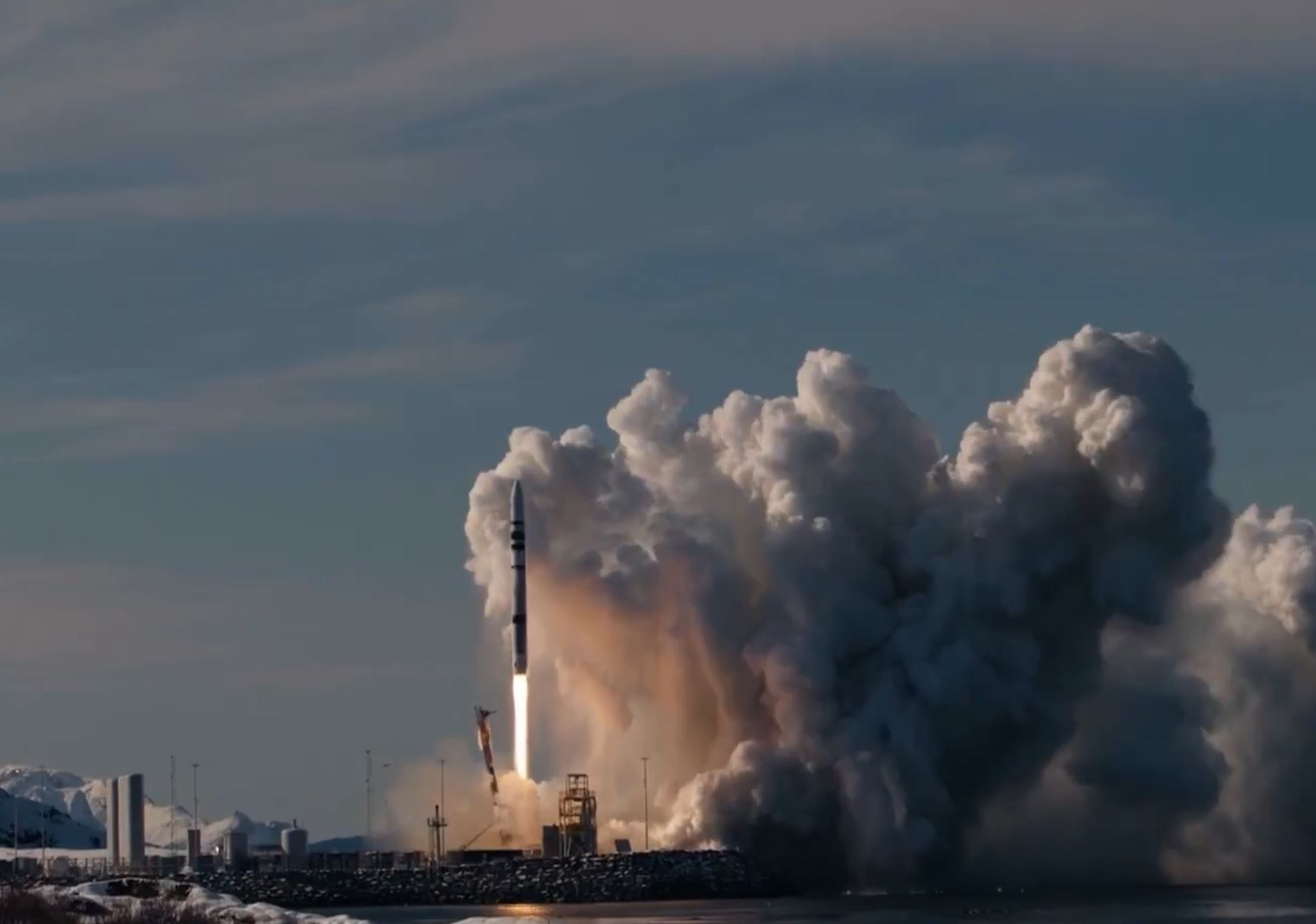
Andøya, long a key site for defence and fisheries, is now firmly embedded in the heart of Europe’s space ambitions. The region’s strategic importance is underscored by its role as the sole launch site for Europe’s space program, offering a vital hub for satellite launches. However, recent setbacks, like the failed Isar Aerospace launch, highlight the challenges ahead.
The European Union, represented by Commissioner Andrius Kubilius, has emphasised the importance of diverse launch capabilities across Europe. “It’s not just about the EU; it’s about creating strong space-launch opportunities in Norway, the UK, and beyond,” he said. Despite the recent failure, Andøya’s role remains pivotal to securing Europe’s autonomy in space.
European Autonomy Amid Global Turmoil
The need for European autonomy in space has never been more urgent. Minister Myrseth highlighted the growing tensions in global geopolitics and the insufficient nature of relying on external commercial solutions. “In today’s turbulent world, Europe needs to be self-reliant, especially in areas as critical as satellite communication and national security,” she said.
For Andøya, this agreement brings not only political and technological significance but also tangible economic opportunities. The region is set to witness an influx of aerospace-related jobs, bringing both excitement and challenges. Andøya’s mayor, Kjell-Are Johansen, expressed pride in the municipality’s newfound status as a space hub. However, the growing demand for housing presents an immediate challenge, particularly in a municipality struggling with finances.
“We are already facing a housing shortage, and with the boom in aerospace activity, this challenge will only intensify,” Mayor Johansen stated. Local property developers are working to meet the demand, but rising construction costs are making progress slow. Johansen hopes that the government will step in to support the region’s development as the aerospace industry grows.
Looking Ahead: The Road to Space Sovereignty
This agreement signifies the beginning of a broader vision for European space sovereignty. By integrating secure satellite communications, Norway and its EU partners are taking concrete steps to ensure their independence in critical technological sectors.
As we look to the future, Europe’s space ambitions are set to expand. The success of Secure Connectivity and other related programs will be a testament to the region’s determination to carve out its own place in the space race.
Connect with Us
Stay tuned for our next article, where we will explore the future of satellite technology in the context of climate monitoring and disaster response. For further insights and updates on Europe’s space initiatives, connect with us through our website or social media channels.