
The ongoing conflict in Iran and the resulting blockade of the Strait of Hormuz have significantly influenced global energy markets. This geopolitical turbulence has driven oil and gas prices to new highs, with the price of oil surging from $70 to $109 per barrel. For Norway, this has meant an increase in revenue from its oil and gas exports, positioning the country as a key beneficiary in the short-term. According to Thina Saltvedt of Nordea, Norway has capitalized on the higher energy prices, boosting its financial standing through enhanced export revenues.
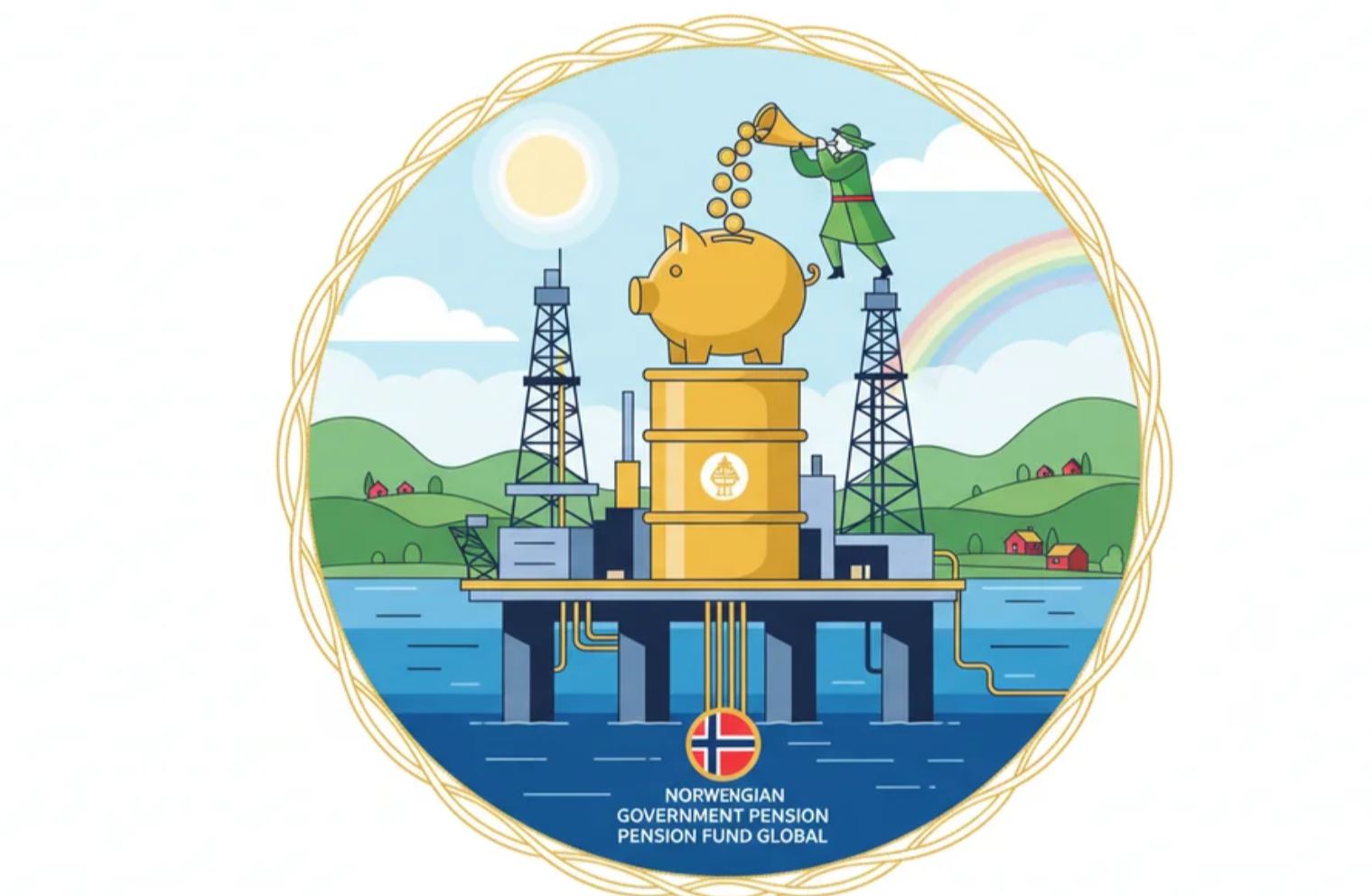
However, despite the apparent economic gains, Norway’s Energy Minister Terje Aasland provides a more nuanced perspective. While the price hikes have indeed benefited the nation’s energy exports, Aasland emphasizes that the long-term effects of this geopolitical situation are far from positive. Increased energy prices may lead to global economic instability, which could, in turn, negatively affect Norway’s broader economy. The higher costs for consumers worldwide could potentially lead to reduced demand for energy, challenging the Norwegian economy’s reliance on oil and gas exports.
Moreover, the Norwegian government has been vocal about the importance of balancing energy exports with a sustainable transition towards renewable energy sources. This highlights the complex dilemma faced by oil-rich nations like Norway—navigating the short-term benefits of high oil prices while simultaneously preparing for a future where fossil fuels play a less central role in the global energy landscape.
As Norway continues to evaluate the long-term impacts of the Iranian conflict, it is clear that while higher oil prices have been advantageous, the broader economic ramifications and the ongoing push for sustainable energy development remain at the forefront of government priorities.
Looking Ahead:
In our next issue, we will delve deeper into the challenges and opportunities presented by the global energy transition, examining how countries like Norway are balancing short-term gains with long-term sustainability goals. Stay connected with us for further insights on how geopolitical shifts are reshaping the global energy landscape.
Get in touch:
For more updates and to share your thoughts, connect with us via email or social media. We welcome your feedback and encourage continued discussions on the future of energy.