
The Stockholm Stock Exchange (OMX Stockholm 30) has registered a correction of nearly 10 percent over the past month, marking March as the most volatile period for Swedish equities since the onset of the pandemic. While local factors play a role, senior economists agree that the primary driver of this sell-off is not domestic, but geopolitical.
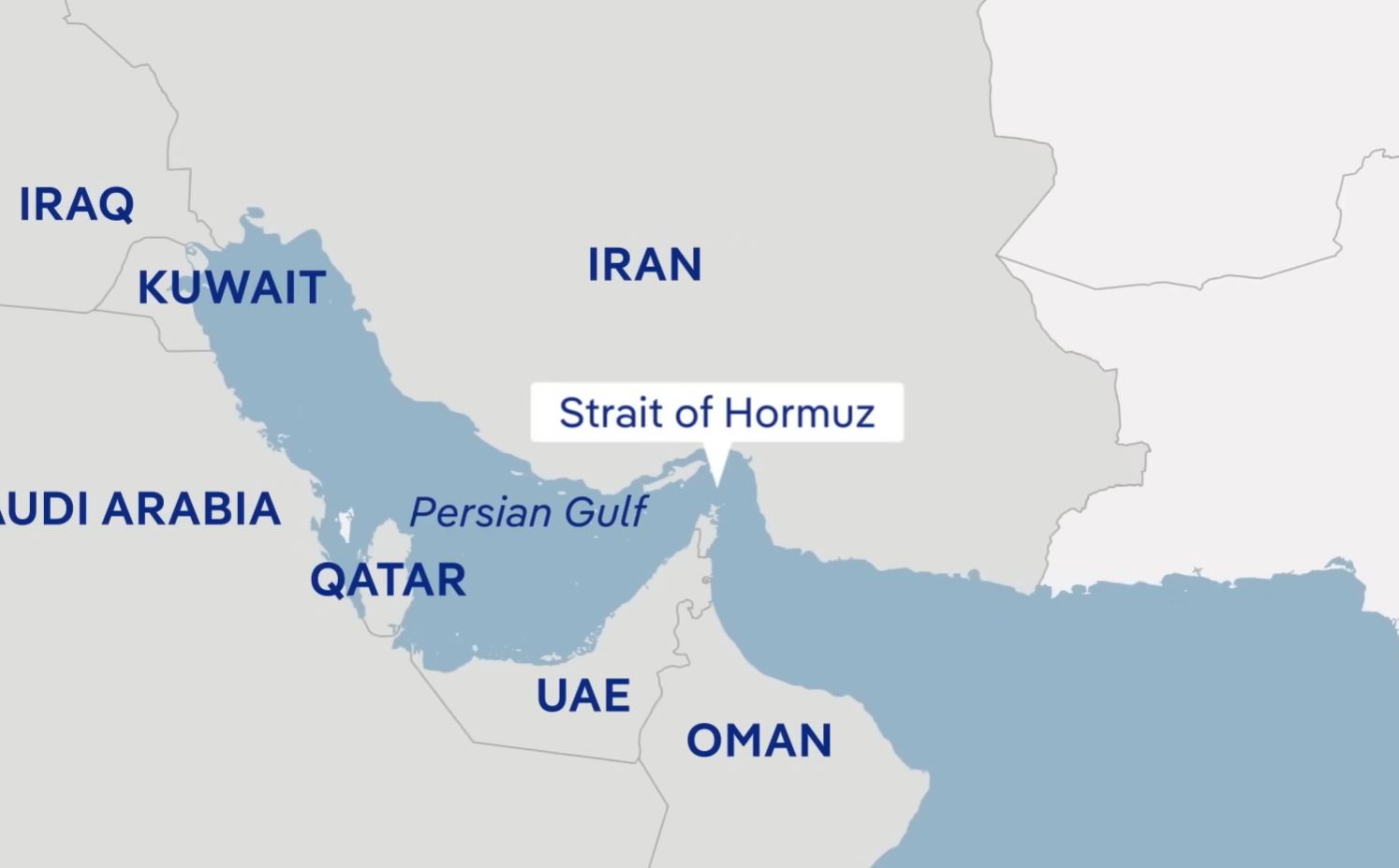
At the heart of the anxiety lies the Strait of Hormuz. As tensions escalate in the Middle East following recent military engagements involving Israel, the U.S., and Iran, the risk of a blockade at this critical maritime choke point has moved from a tail risk to a central pricing factor for global capital.
“The potential closure of the Strait of Hormuz determines the duration and depth of this economic uncertainty,” says Annika Winsth, Chief Economist at Nordea. “We are seeing a risk premium being priced into assets that reflects the fragility of global supply chains.”
The Risk Premium and Interest Rates
The market’s reaction underscores a shift in investor sentiment. Following a period of record highs driven by optimism surrounding AI and rate cut expectations, the sudden escalation in the Middle East has triggered a flight to safety.
“Banks and institutional investors now demand to be paid for geopolitical risk,” Winsth explains. “If the situation drags on, we are not just looking at higher oil prices. We are looking at a scenario where central banks may be forced to pause or reverse interest rate cuts to combat inflationary spikes caused by energy shocks.”
The transmission mechanism is clear: A closure of the Strait would disrupt roughly 20 percent of global oil consumption. This would spike energy costs, feed into core inflation, and force central banks to maintain restrictive monetary policies longer than anticipated. For equity markets, particularly in growth-dependent economies like Sweden, higher-for-longer rates are a significant headwind.
Why Stockholm is Feeling the Pain
Data indicates that the Stockholm Stock Exchange is currently underperforming compared to its Nordic peers in Oslo and Helsinki. Robert Bergqvist, Senior Economist at SEB, suggests this divergence stems from the composition of the Swedish market.
“Swedish listed companies are heavily exposed to the global market across a wide span of industries, from industrials to consumer goods,” Bergqvist notes. “When global trade fears rise, Swedish exporters are often the first to be re-rated by investors.”
However, Bergqvist advises against long-term pessimism. “If we look over a longer horizon, the fundamentals of the Swedish economy remain robust. This volatility could present entry points for investors with a longer time horizon, provided the geopolitical situation stabilises.”
Strategic Analysis: What Nordic Leaders Need to Know
For CFOs and investors in the Nordic region, the current volatility requires a shift from passive holding to active risk management. Based on the current economic landscape, we identify three key areas of focus:
1. Supply Chain Redundancy: The Hormuz threat highlights the danger of single-point failures in logistics. Nordic firms should accelerate diversification of supply routes, looking toward Arctic passages or overland corridors where feasible.
2. Energy Hedging: While the Nordic region is more energy-independent than the rest of Europe due to hydro and nuclear capacity, industrial input costs are still globally priced. Companies should review their exposure to oil-derived inputs and consider hedging strategies.
3. Liquidity Management: If the conflict extends beyond Q2, credit conditions may tighten. Ensuring strong liquidity buffers will be crucial to weather potential interest rate fluctuations.
The Outlook: Blip or Structural Shift?
The consensus among economists hinges on the timeline of de-escalation. Winsth suggests that if peace negotiations yield results in the near future, the economic recovery could be V-shaped.
“If the Strait remains open and tensions cool, we will look back on this as a small blip in the curve,” Winsth says. “However, if disruptions persist through May, the risk of structural consequences increases, including sustained inflationary pressure and revised GDP forecasts for the Eurozone.”
For now, the Nordic business community must navigate a landscape where geopolitics is no longer background noise, but a primary driver of financial performance.
Editor’s Note & Next Steps
Where do we go from here?
In our next issue, we will dive deeper into “Nordic Energy Security in a Volatile World.” We will analyse how Sweden, Norway, and Finland can leverage their green energy transition to insulate their economies from future fossil-fuel shocks.
Connect With Us
Are you navigating supply chain risks or looking for hedging strategies in this climate? We want to hear from you.
- Share your insights: editorial@nordicbusinessjournal.com
- Subscribe for deep-dive analysis: www.nordicbusinessjournal.com/subscribe
- Join the conversation on LinkedIn: @NordicBusinessJournal
Disclaimer: This article is for informational purposes and does not constitute financial advice.