
Stockholm’s diplomatic manoeuvre on UN slavery resolution reflects deeper tensions between historical accountability and legal risk management
When the United Nations General Assembly voted on March 25, 2026, to declare the transatlantic slave trade “the gravest crime against humanity,” the tally revealed a stark global divide: 123 nations in favour, three against, and 52 abstentions—including every single European Union member state.
Sweden’s abstention, far from being an isolated Nordic position, was part of a coordinated EU bloc strategy that signals profound implications for international business, trade relations, and corporate risk assessment in an era of accelerating demands for historical accountability.
The Resolution: More Than Symbolism
The Ghana-sponsored resolution represents a paradigm shift in how the international community frames historical economic crimes. Beyond condemnation, it establishes a framework for “reparatory justice” encompassing formal apologies, restitution, compensation, and structural reforms to address “racialised regimes of labour, property and capital” that persist today.
For Swedish businesses with global operations, the resolution’s passage—despite Western opposition—creates a new compliance landscape. The text explicitly calls for changes to “laws, programs and services to address racism and systemic discrimination,” potentially affecting supply chain standards, ESG reporting requirements, and investment protocols in African and Caribbean markets.
Why Sweden Abstained: Legal Precision or Liability Avoidance?
The Swedish Ministry of Foreign Affairs cited technical legal concerns: the resolution’s use of “gravest” allegedly creates a “hierarchy of crimes against humanity,” while references to reparations lack “sound legal basis” under international law’s principle of non-retroactivity.
Yet this explanation, mirrored by all 27 EU states through Cyprus’s delegation statement, masks a more complex calculation. The EU’s coordinated abstention reflects anxiety about establishing precedents for retroactive liability that could expose European corporations and governments to claims worth trillions in today’s currency.
Fredrik Thomasson, historian at Uppsala University and leading authority on Swedish colonial history, notes the pattern: “The non-aligned states vote one way, the European Union another. Russia, claiming to stand with the vulnerable, votes with the Global South.”
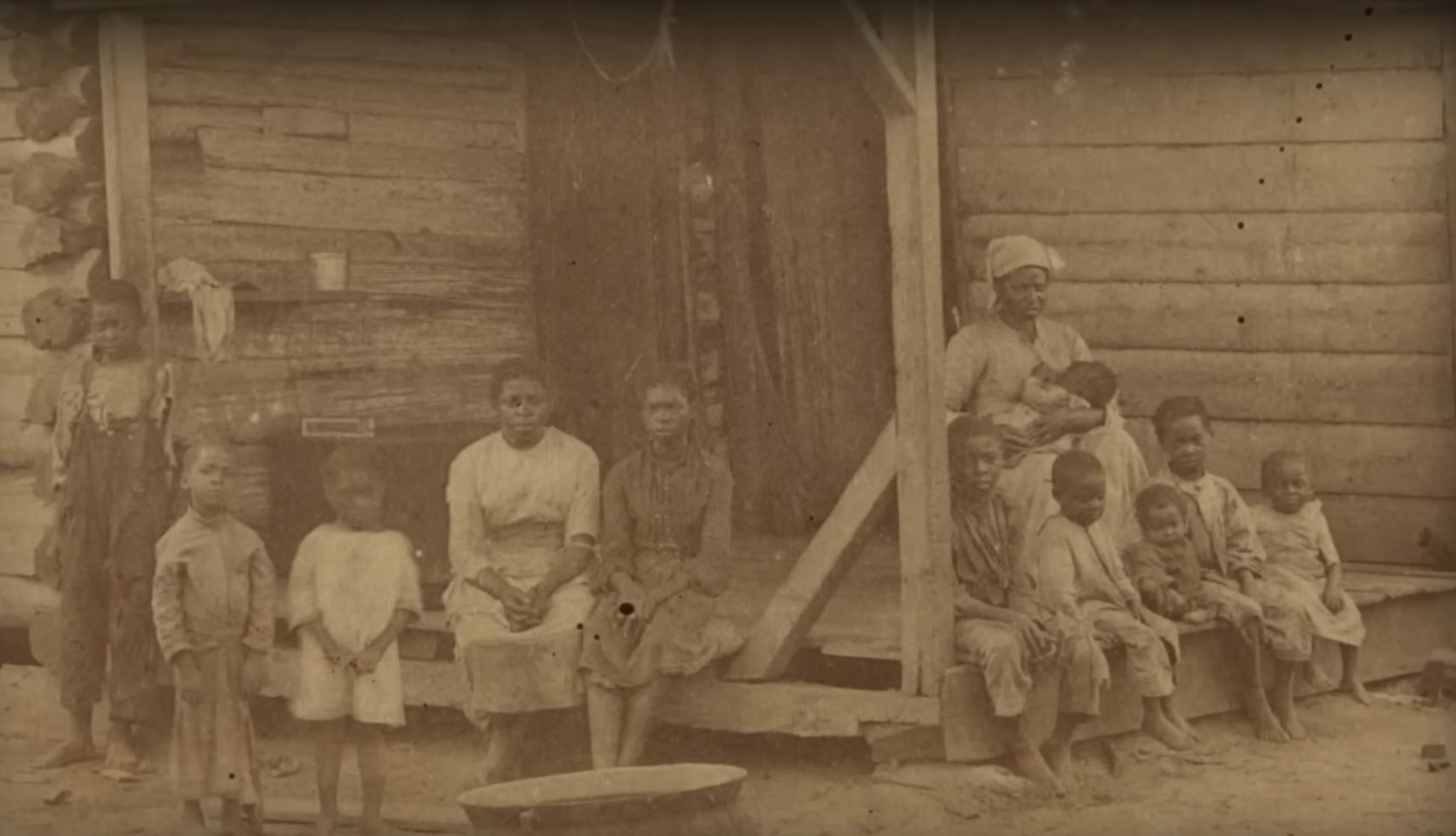
But Sweden faces unique exposure. Unlike Denmark or Norway, Sweden held Caribbean colonial territory—Saint Barthélemy—until 1878, operating under draconian slave laws until 1847. The Swedish Africa Company transported approximately 1,000 enslaved Africans, and recent archival digitisation has made Swedish colonial records publicly accessible for the first time, creating documentary evidence for potential claims.
The CARICOM Factor: Sweden’s Specific Vulnerability
What makes Sweden’s abstention particularly consequential for Nordic business is the Caribbean Community’s (CARICOM) explicit inclusion of Sweden in its reparations claims for “genocide, slavery, slave trading, and racial apartheid.”
This isn’t theoretical. CARICOM has established a Reparations Commission pursuing claims against European colonial powers. Sweden’s presence on this list—alongside Britain, France, Spain, Portugal, the Netherlands, Norway, and Denmark—means Stockholm cannot hide behind EU collective action indefinitely.
For Swedish companies operating in Caribbean markets—particularly tourism, finance, and infrastructure—the resolution intensifies reputational and legal risk. The UN text’s call for “prompt and unhindered restitution” of cultural artifacts without charge could extend to corporate-held historical assets, while its emphasis on addressing “socioeconomic disparities” may inform future investment screening criteria.
The Business Implications: Three Critical Developments
1. The “Reparations Economy” Is Becoming Mainstream
The 123-3 vote demonstrates that the Global South has successfully elevated reparatory justice from fringe demand to majority UN position. For Nordic exporters, this shifts the diplomatic terrain in Africa, Latin America, and the Caribbean—markets where Sweden seeks expanded trade relationships.
Ghanaian President John Dramani Mahama, architect of the resolution, framed the vote as “a safeguard against forgetting” that creates “space for truth, for education, and for a more honest conversation.” This conversation increasingly includes procurement policies, investment treaties, and partnership frameworks that privilege nations acknowledging historical accountability.
2. ESG and Supply Chain Due Diligence
The resolution’s emphasis on “enduring consequences that continue to structure the lives of all people through racialised regimes of labour, property and capital” aligns with intensifying scrutiny of modern supply chains.
Swedish multinationals—particularly in extractive industries, agriculture, and manufacturing—face heightened expectations to demonstrate that current operations don’t perpetuate historical patterns of exploitation. The UN’s Second International Decade for People of African Descent (2025-2034) and the African Union’s Decade of Reparations will institutionalise these standards.
3. The Legal Precedent Question
While the resolution is non-binding, its characterisation of slavery as violating jus cogens—peremptory norms of international law universally binding on all states—creates argumentative foundation for future litigation.
The EU’s insistence that “no legal hierarchy between crimes against humanity exists” and that reparations are “incompatible with established principles of international law” reveals genuine fear that this framework could evolve toward enforceable obligations. For Swedish businesses with historical connections to colonial economies, this legal trajectory demands proactive risk assessment.
Sweden’s Colonial Ledger: The Uncomfortable Numbers
The historical record, increasingly accessible through digitised archives at Uppsala University, complicates Sweden’s moral position.
– Swedish Africa Company (17th century): Established trading posts on West African coast, foundation for Cape Coast Castle (Carolusborg) in modern Ghana—now a UNESCO slavery memorial site
– Saint Barthélemy (1784-1878): Swedish colony where slave laws remained in force until 1847, nearly two decades after Sweden nominally abolished slave trading
– Estimated human cost: Up to 1,000 Africans transported directly by Swedish entities; untold additional numbers through Swedish-flagged vessels and colonial participation
The recent completion of France’s slavery memorial at Trocadero Gardens—which will specifically name Saint Barthélemy among sites of enslavement—demonstrates how European powers are increasingly memorialising these histories, even while resisting financial accountability.
The Geopolitical Realignment
The vote pattern reveals accelerating South-South solidarity that bypasses traditional Western dominance. Russia and China voted yes, consolidating relationships with African nations and the broader Global South.
For Swedish foreign policy—and by extension, Swedish business interests—this creates strategic tension. Stockholm’s commitment to “feminist foreign policy” and human rights leadership conflicts with its alignment with EU legal conservatism on historical accountability.
The abstention also contrasts with Nordic neighbours’ occasional independence on human rights issues. Norway, Denmark, and Finland similarly abstained, but Sweden’s specific colonial history and CARICOM targeting makes its position particularly exposed to criticism from emerging market partners.
Looking Forward: The Reparatory Justice Agenda
The resolution establishes ongoing mechanisms that will keep this issue on the international agenda. The UN calls for “inclusive, good-faith dialogue” on reparatory justice, with the African Union, Caribbean Community (CARICOM), and Organisation of American States mandated to collaborate with UN bodies on implementation.
This institutionalises pressure points that will affect Swedish business in several concrete ways:
– Trade negotiations: African and Caribbean nations may increasingly condition market access on acknowledgment of historical accountability
– Development finance: Multilateral and bilateral aid frameworks may incorporate reparatory principles
– Cultural industries: Museums, auction houses, and private collectors face intensified restitution demands for artifacts acquired during colonial periods
– Corporate heritage: Companies with historical roots in colonial economies may face shareholder and stakeholder pressure for acknowledgment and reconciliation measures
Conclusion: The Cost of Abstention
Sweden’s UN abstention reflects legitimate legal concerns about retroactive liability and the hierarchy of international crimes. But in the context of 123 nations demanding recognition of slavery’s unique gravity, the position risks appearing as calculated avoidance rather than principled objection.
For Nordic business leaders, the message is clear: the era of treating colonial history as settled past is ending. The “reparations economy”—encompassing formal compensation, preferential trade arrangements, investment screening, and ESG standards rooted in historical accountability—is emerging as a defining feature of 21st-century global commerce.
Sweden’s diplomatic strategy of EU-coordinated abstention may provide short-term legal protection, but it offers no shelter from the reputational, operational, and strategic implications of a world majority that views historical accountability as prerequisite for future partnership.
The question for Stockholm—and for Swedish business—is not whether to engage with reparatory justice, but how to shape its evolution in ways that acknowledge historical truth while managing legitimate concerns about open-ended liability. The UN vote suggests that conversation is already underway, with or without European participation.
About the data: The UN General Assembly vote on “Permanent remembrance of the victims of the transatlantic slave trade and calls for reparatory justice” (Resolution A/79/L.78) occurred March 25, 2026, with 123 votes in favour, 3 against (United States, Israel, Argentina), and 52 abstentions including all 27 EU member states.
What’s Next: Follow Our Coverage
Coming in our next issue: “The Corporate Reparations Playbook: How Multinationals from BP to AstraZeneca Are Navigating Historical Accountability”—an exclusive analysis of how leading Nordic and European companies are developing frameworks for addressing colonial-era legacies while protecting shareholder value.
Connect with us: Share your perspective on how historical accountability is reshaping your business environment. Contact our editorial team at editor@nordicbusinessjournal.com or connect with us on LinkedIn at Nordic Business Journal. Subscribe to our weekly briefing for updates on trade policy, ESG developments, and Nordic business strategy in the Global South.
This article was reported using UN General Assembly records, Uppsala University research archives, and interviews with international law specialists and economic historians.