
A strategic analysis of operational innovation in organised crime—and what it means for Nordic business security
In the gleaming conference rooms of Stockholm’s corporate headquarters, supply chain optimisation and talent acquisition strategies are meticulously refined. Ironically, similar sophistication is now being applied in the shadows of those same cities. Swedish criminal networks have evolved from street-level opportunism into operationally mature organisations that would recognise the methodologies of lean manufacturing and strategic human resource management.
This transformation represents not merely a law enforcement challenge, but a fundamental threat to Nordic business integrity, social infrastructure, and corporate security frameworks.
The Operational Architecture of Modern Criminal Networks
Sweden’s organised crime landscape has undergone a structural metamorphosis. Where once hierarchical gangs maintained internal discipline, today’s networks operate as decentralised, project-based enterprises. According to the Swedish National Council for Crime Prevention (Brå), this shift correlates with a 391% increase in suspects aged 15-20 involved in fatal violence between 2014 and 2023.
The numbers reveal a deliberate operational strategy: approximately 1,700 minors are now active participants in criminal networks, comprising 13% of all organised crime actors in Sweden. These aren’t incidental participants—they’re strategic assets deployed through calculated workforce planning.
The “Youth Rebate” Exploitation Model
Criminal leadership has identified a critical market inefficiency in Sweden’s judicial framework. Children under 15 cannot be prosecuted under criminal law, while those aged 15-17 receive substantial sentence reductions. This creates what risk managers would recognise as “regulatory arbitrage”—leveraging legal asymmetries for competitive advantage.
“The assignments are communicated completely openly on digital marketplaces,” notes Petra Lundh, Sweden’s National Police Chief. “Crime is often controlled by gang criminals who are abroad”. This geographic distribution of leadership—what corporate strategists would term “remote management”—insulates decision-makers while operational risk is transferred to juvenile contractors.
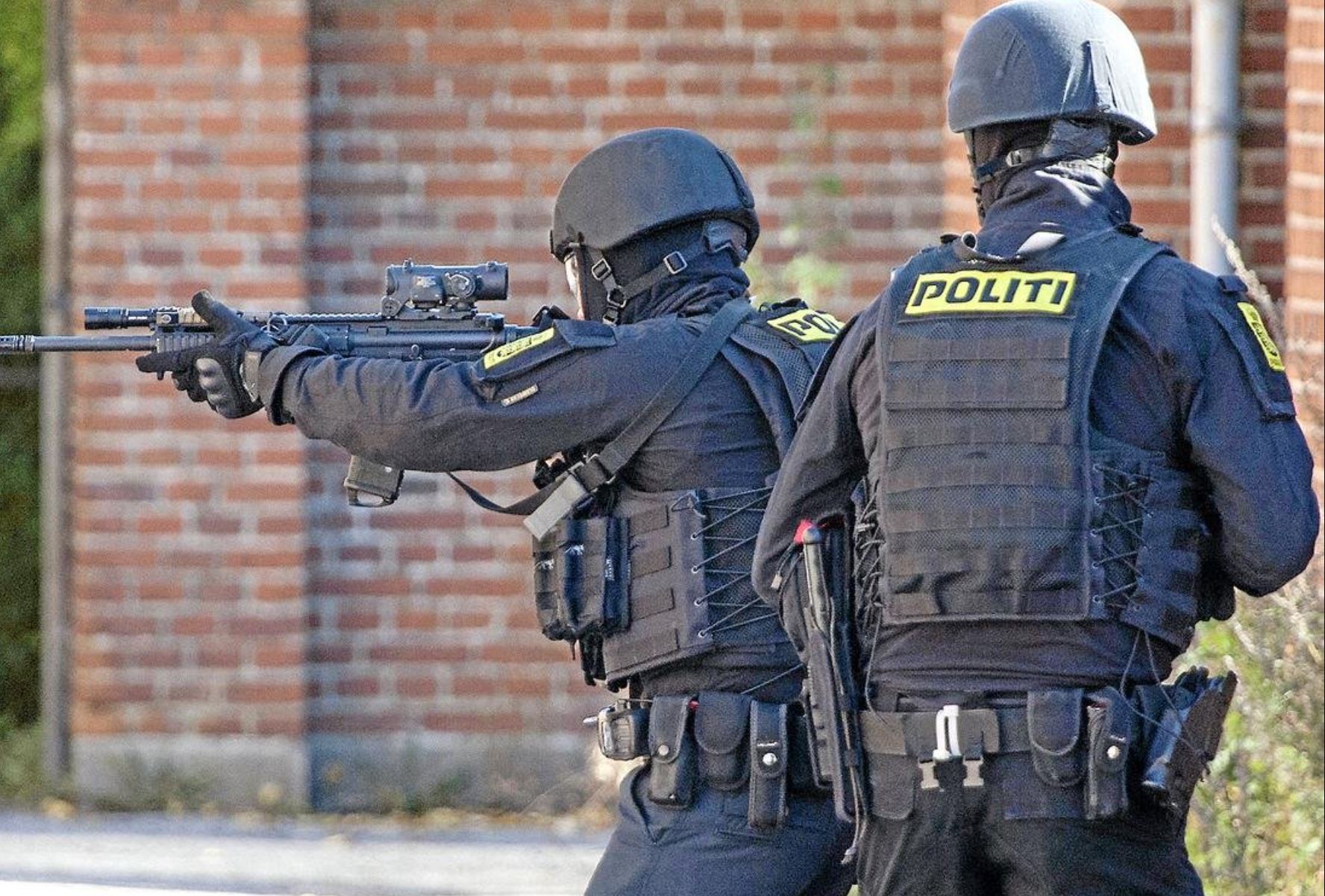
Strategic Recruitment: Targeting Undervalued Human Capital
The sophistication of contemporary recruitment reveals applied behavioural economics and targeted marketing principles.
The Gender Arbitrage Strategy
Criminal networks have also identified another soft and blind spot in law enforcement perception. Anna Hedin Ekström, researcher at Sweden’s National Operational Unit (NOA), confirms: “They actively recruit women and girls because they know they go under the radar”.
This represents classic market inefficiency exploitation. While 280 girls aged 15-17 were charged with murder, manslaughter, or violent crimes in 2024, criminal justice systems maintain “preconceived notions about the role of women and girls in crime,” as Justice Minister Gunnar Strömmer acknowledged.
The business implication is stark: organisations assessing security threats based on traditional demographic profiling are systematically vulnerable. Prosecutor Ida Arnell describes cases where 15-year-old girls select assassination methodologies—”to aim at the guy’s door or his head. She chose the head”—demonstrating calculated risk assessment capabilities that defy stereotypical assumptions.
Vulnerability-Based Talent Acquisition
At Polhem’s adapted upper secondary school in Stockholm, criminal recruiters apply targeted social engineering. Principal Susanne Avander confirms students with intellectual disabilities have been contacted via social media, lured through manufactured friendship, and assigned “punishable assignments”.
This represents predatory exploitation of support system gaps. Research from Acta Publica indicates approximately 100 individuals with intellectual disabilities face trial annually, sentenced under standard adult conditions despite cognitive vulnerabilities.
The methodology mirrors corporate campus recruitment—but inverted. Where legitimate businesses identify high-potential candidates for development, criminal networks identify high-vulnerability individuals for exploitation.
The “Violence-as-a-Service” Business Model
European law enforcement agencies have documented the emergence of “Crime as a Service” (CaaS) platforms—encrypted digital marketplaces where criminal contracts are tendered and fulfilled. This platformisation of violence represents genuine business model innovation.
Contract killings, drug distribution, and violent enforcement are now unbundled from organisational hierarchy and commoditised. The European Union’s serious and organised crime threat assessment notes payments ranging from “a few thousand euros to as much as €20,000 for killings”.
This disintermediation has profound implications for corporate security. Traditional organised crime presented predictable territorial structures; modern CaaS models enable transient, project-based violence that defies geographic profiling.
Cross-Border Operational Expansion
The Nordic business community must recognise that Swedish criminal methodologies are exporting. Danish authorities report Swedish children as young as 12 being transported across borders to commit crimes. The Baltic Sea Region has become an operational theatre for networked criminal enterprise.
In December 2025, the Council of the Baltic Sea States and Europol convened the THBxOC Forum in Stockholm, specifically addressing how trafficking networks “adapt quickly” and why “a coordinated, structured and transnational approach is increasingly necessary”.
Infiltration of Legitimate Business Infrastructure
The Organised Crime Index 2025 assessment reveals systematic infiltration strategies targeting Sweden’s welfare and business systems:
– Healthcare fraud: Criminal networks have established private clinics as fronts to divert public funds, with illicit profits estimated at twice the value of drug trafficking
– Financial system penetration: Front companies enable anonymous integration of criminal capital
– Welfare system exploitation: Systematic benefit fraud operations
This represents not peripheral criminal activity, but direct competition with legitimate business for public resources and market positioning.
Strategic Response Framework for Business Leaders
1. Security Perimeter Reassessment
Organisations must abandon demographic profiling in threat assessment. The 15-year-old female suspect in dual murders across 600 kilometres—Vårbygård to Rosengård—demonstrates that operational capability defies traditional categorisation.
2. Supply Chain Due Diligence
With criminal networks establishing front companies in healthcare, logistics, and service sectors, vendor verification requires enhanced scrutiny. The integration of criminal and legitimate business operations demands proactive supply chain auditing.
3. Workforce Vulnerability Management
Organisations employing young people or individuals with support needs must recognise their workforce as potential recruitment targets. The social media-based grooming documented at Polhem’s school indicates that recruitment happens through platforms most businesses consider peripheral to operations.
4. Cross-Border Security Coordination
As criminal operations become transnational, corporate security must similarly internationalise. The Nordic countries have established joint operational frameworks—business security planning should align with these evolving law enforcement structures.
Regulatory Evolution and Business Implications
Sweden’s government has recognised the structural nature of this threat, and thus is implementing significant legal reforms:
– July 2023: Standalone criminalisation of involving minors in criminal activity (up to 4 years imprisonment)
– 2022: Elimination of automatic sentence reductions for 18–20-year-olds in serious crimes
– September 2025: Announcement of lowered age of criminal responsibility (specific threshold pending)
– 2026: Planned opening of specialized youth prisons for 15–17-year-olds
These measures signal recognition that juvenile exploitation represents not aberrant behaviour but systematic business methodology requiring structural countermeasures.
The Innovation Paradox
There’s a bitter irony in this analysis. Sweden’s criminal networks have demonstrated genuine operational innovation—decentralised management, platform-based service delivery, strategic human capital arbitrage, and cross-border logistics optimisation. These are competencies Nordic businesses cultivate through extensive investment.
The critical distinction lies in purpose and sustainability. Criminal operational excellence is parasitic, extracting value from social vulnerabilities rather than creating it. Yet the sophistication of these networks demands that business and government responses match their strategic maturity.
As Roberto Tomé, crime prevention coordinator at NOA, emphasizes: “It is important that we as a society have the same picture of this problem, because if you don’t know where the problems are, it is difficult to address them”.
For Nordic Business Journal Readers:
This analysis represents the opening chapter of an ongoing investigation into the intersection of organised crime and legitimate business operations in the Nordic region.
Next in our series: “The Financial Architecture of Criminal Networks: How Money Laundering Methodologies Threaten Nordic Financial Institutions”—an exclusive examination of how Sweden’s welfare fraud networks interface with legitimate banking and fintech infrastructure, and what compliance officers need to understand about evolving typologies.
Connect with our investigative team: Share insights, data, or case studies regarding criminal network infiltration of business sectors. Contact our editorial team at editorial@nordicbusinessjournal.com or connect via our secure reporting portal. Your operational intelligence contributes to regional business security awareness.
This article was developed through analysis of Swedish National Council for Crime Prevention data, Swedish Police Authority operational reports, European Union serious and organised crime assessments, and direct interviews with law enforcement strategists. All statistics reflect most recent available data through 2025.