
A fragile truce sparks relief rallies, but underlying geopolitical fractures keep energy and rate uncertainty firmly on the table. What Nordic CFOs, investors, and supply chain leaders need to watch next.
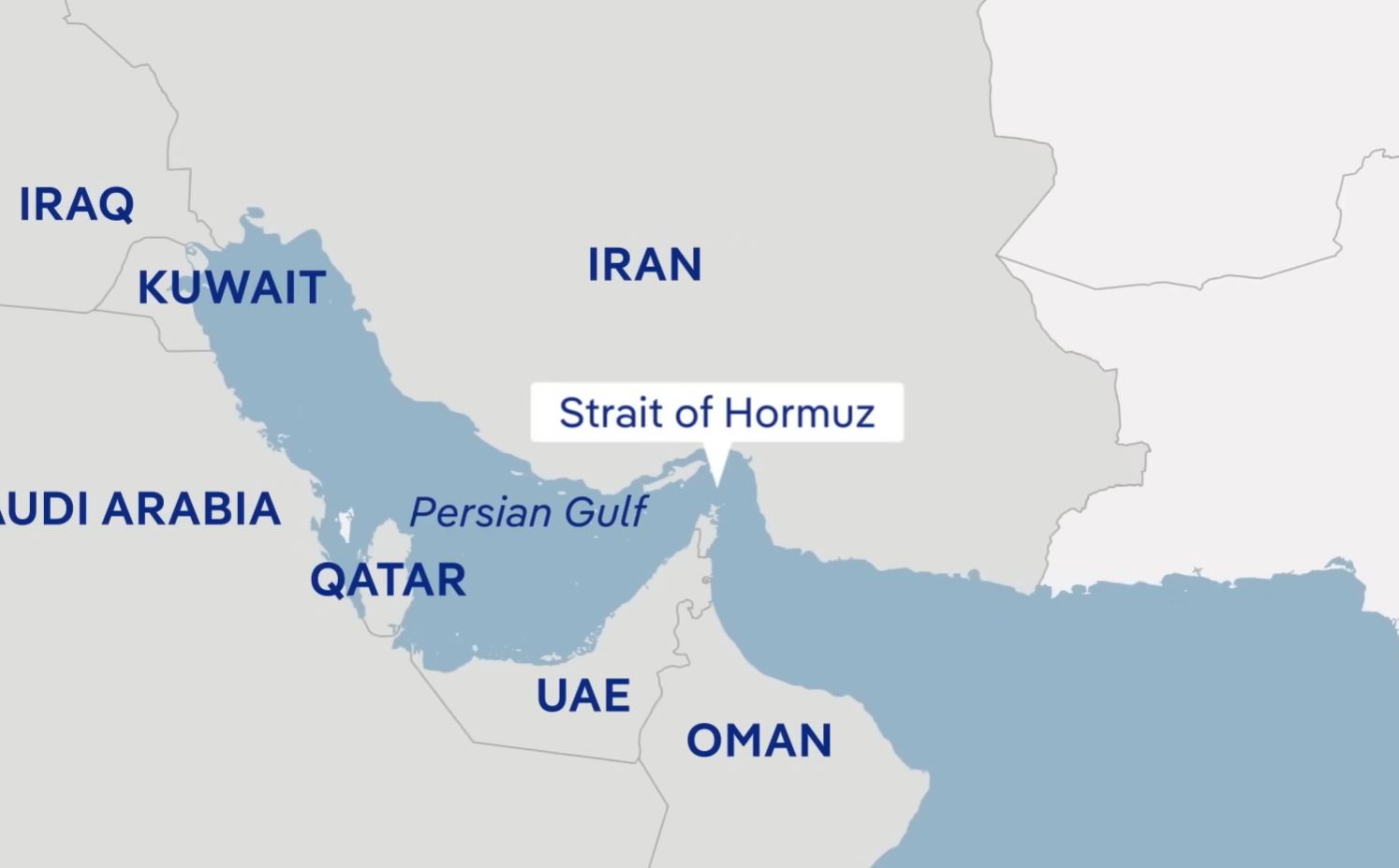
The announcement of a US-Iran ceasefire sent global risk assets higher this week, with European and Asian equities posting their strongest single-day gains in months. Yet beneath the relief rally lies a fragile reality: normalized trade remains elusive, and the Strait of Hormuz—a chokepoint handling nearly a fifth of global crude flows—remains vulnerable to rapid disruption. For Nordic businesses and capital allocators, the message from markets, central banks, and logistics networks is clear: prepare for volatility, not stability.
Markets Price in Calm, But Fundamentals Tell a Different Story
When trading opened on the Stockholm exchange, the OMXS30 surged roughly 4%, driven by a broad rotation into rate-sensitive sectors, industrials, and technology. Oil and shipping names, meanwhile, retreated as geopolitical risk premiums unwound. Similar patterns echoed across Helsinki, Copenhagen, and Oslo, while Tokyo and Seoul posted gains of 5–7%, reflecting a synchronized global risk-on move.
Swedish government bond yields responded in kind. The 2-year yield fell sharply by approximately 12 basis points as traders adjusted inflation expectations and repriced the Riksbank’s easing trajectory. Market interest rates across the Nordics followed suit, signalling that capital markets are betting on a quicker return to policy normalization than central bankers may yet be willing to endorse.
Expert View: Relief Rally vs. Structural Fragility
“Shifting from brinkmanship to ceasefire negotiations is a profound relief—for human lives and for macroeconomic stability,” says Robert Bergqvist, senior economist at SEB. “But markets may be front-running certainty. Structural vulnerabilities in energy supply chains, fragmented trade policy, and regional security flashpoints mean the ‘tap’ could be turned back on with little warning.”
Bergqvist’s caution is warranted. The ceasefire follows a brief but intense escalation in the Levant, including Israeli operations in Lebanon and a short-lived Iranian threat to restrict navigation through the Strait of Hormuz. Although de-escalation has since taken hold, the episode underscores how quickly physical commodity flows can be disrupted. For Nordic economies—highly integrated into global trade, reliant on stable energy inputs, and exposed to long shipping routes—the implications extend far beyond headline inflation.
The Energy-Inflation Nexus and the Riksbank’s Dilemma
Households and businesses alike can feel the ripple effects of a Hormuz disruption within days. Fuel prices adjust rapidly, freight insurance premiums spike, and just-in-time inventory models face immediate stress. In the longer term, energy volatility directly feeds into core inflation metrics, which central banks monitor closely before adjusting policy.
Sweden’s inflation trajectory has been among the most favourable in Europe, with underlying CPI hovering near the Riksbank’s 2% target through early 2026. A sustained drop in energy costs could accelerate the central bank’s easing cycle. “If energy prices stabilize and forward curves normalize, the Riksbank will have clearer room to cut,” Bergqvist notes. “But policy will remain data-dependent. Any renewed supply shock could delay rate reductions well into Q3.”
The ECB and Federal Reserve face similar crosscurrents, meaning Nordic exporters and multinationals must navigate a divergent monetary landscape. Currency fluctuations, financing costs, and cross-border capital flows will remain highly sensitive to geopolitical headlines and central bank communication.
Strategic Takeaways for Nordic Decision-Makers
The ceasefire is a tactical pause, not a strategic resolution. Nordic businesses that treat this moment as an opportunity to build resilience will outperform those simply chasing the relief rally. Key actions to consider:
– Hedge energy and freight exposure: Maintain flexible procurement frameworks. Consider layered forward contracts, volume-flexibility clauses, and scenario-based stress testing for Q3/Q4 2026.
– Map tier-2 and tier-3 supply dependencies: Components routed through Middle Eastern logistics hubs or Asian manufacturing nodes remain exposed to insurance premium spikes and routing delays. Dual-sourcing and nearshoring pilots should be accelerated, not deferred.
– Position for rate divergence: With the Riksbank potentially leading European peers into easing, consider duration strategies and sector rotations that benefit from lower borrowing costs (e.g., infrastructure, mid-cap industrials, commercial real estate with fixed-rate debt maturity walls).
– Monitor geopolitical risk pricing: Cargo insurance, war risk premiums, and bunker fuel surcharges often outlast physical disruptions. Build these variables into margin forecasting and customer pricing models.
Looking Ahead
The ceasefire offers breathing room, but the global economy remains structurally exposed to geopolitical fragmentation, energy transition bottlenecks, and monetary policy divergence. Nordic firms that embed scenario planning into corporate strategy, rather than treating geopolitics as a peripheral risk, will be better positioned to capture upside and mitigate downside in an increasingly non-linear macro environment.
What’s Next in Our Coverage
In our upcoming issue, we’ll examine how Nordic enterprises are restructuring global supply chains in response to “friendshoring,” regional trade realignments, and shifting tariff landscapes. We’ll also break down the Riksbank’s Q2 2026 policy outlook, corporate credit conditions, and what changing rate expectations mean for M&A activity, equity valuation multiples, and capital allocation strategies across the Nordics.
Connect With Us
Have insights, regional case studies, or questions for our editorial and research team? Reach out at editorial@nordicbusinessjournal.com. Follow our real-time macro analysis and executive interviews on LinkedIn @NordicBusinessJournal, and subscribe to our weekly Nordic Macro Briefing for exclusive data, expert commentary, and strategic briefings tailored to decision-makers across Scandinavia and Finland.