
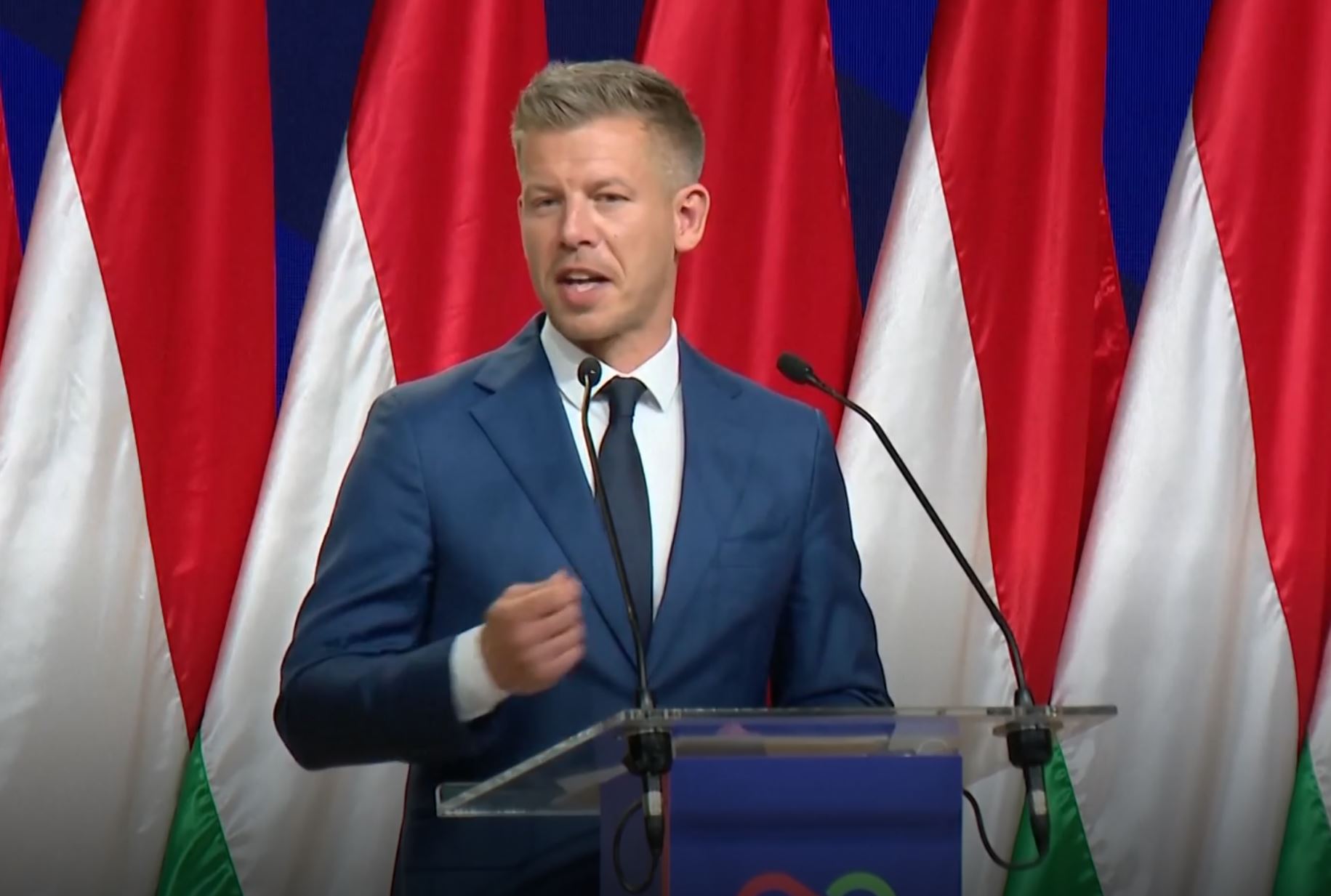
In a watershed moment for Central European politics, Péter Magyar’s Tisza Party has secured a decisive parliamentary majority in Hungary’s April 12, 2026 elections—potentially achieving the two-thirds supermajority required to amend the constitution. This outcome marks the end of Viktor Orbán’s 16-year tenure and signals a potential recalibration of Hungary’s relationship with the European Union, Ukraine, and international business partners.
For Nordic executives monitoring emerging European markets, this political transition warrants strategic attention. Below, we analyse the implications for trade, investment, and regional cooperation.
The Election Outcome: Facts Over Framing
Contrary to initial characterisations, Péter Magyar’s Tisza Party is widely described as a centre-right, pro-European political force rather than socially conservative. Magyar, a former Fidesz insider who broke with Orbán following the 2024 presidential pardon scandal, campaigned on anti-corruption, judicial independence, and reintegration with EU institutions.
With nearly 80% voter turnout—the highest in Hungarian parliamentary history—and early results indicating Tisza could secure 138 of 199 seats, the mandate appears both broad and deep. This structural advantage could enable swift legislative action on EU fund reconciliation, judicial reform, and foreign policy realignment.
“That’s huge,” notes Hungary expert Sara Svensson. “A supermajority gives the new government unprecedented capacity to reverse institutional changes enacted over the past decade.”
Nordic Reactions: Cautious Optimism
While comprehensive statements from Nordic capitals are still emerging, early signals suggest measured encouragement:
– Sweden: Officials have welcomed the result as consistent with democratic values, though formal statements await government formation. Swedish business representatives in Budapest note that regulatory predictability remains the primary concern for Nordic investors.
– Denmark & Finland: Both governments have expressed support for EU cohesion and rule-of-law principles, implicitly endorsing the electoral outcome. Danish trade officials highlight opportunities in green technology partnerships should Hungary re-engage with EU climate frameworks.
– Norway: As a non-EU EEA member with significant energy and maritime interests in Central Europe, Norway is monitoring Hungary’s stance on energy security and regional infrastructure projects.
The Nordic Council of Ministers for Business has previously identified Hungary as a potential partner in sustainable manufacturing and digital innovation—sectors that could benefit from renewed EU alignment.
EU Relations: Unlocking Frozen Funds and Restoring Trust
One of the most immediate business implications concerns Hungary’s access to EU recovery and cohesion funds. Under Orbán, approximately €22 billion in payments were suspended due to rule-of-law concerns.
Magyar has pledged to cooperate with European institutions to resolve these disputes. For Nordic companies with Hungarian operations or supply chain exposure, this could mean:
– Accelerated disbursement of infrastructure and innovation grants
– Reduced regulatory friction for cross-border projects
– Improved legal certainty for contract enforcement and dispute resolution
European Commission President Ursula von der Leyen’s statement—”Europe is Hungarian today”—suggests Brussels is prepared to engage constructively with the new leadership.
Hungary-Ukraine Relations: A Potential Thaw
Hungary’s stance on Ukraine has been a persistent source of EU tension. Orbán repeatedly blocked or delayed aid packages and accession negotiations, citing concerns over Hungary’s ethnic minority in Transcarpathia.
President Volodymyr Zelenskyy was among the first to congratulate Magyar, stating: “Ukraine has always sought good-neighbourly relations with everyone in Europe, and we are ready to develop cooperation with Hungary”. Foreign Minister Andrii Sybiha added that Kyiv stands ready to address minority rights concerns through dialogue.
For Nordic defence, logistics, and reconstruction firms, a more cooperative Budapest could facilitate:
– Participation in Ukraine reconstruction initiatives coordinated through EU mechanisms
– Smoover transit routes for humanitarian and commercial goods
– Joint ventures in energy resilience and digital infrastructure
Strategic Considerations for Nordic Executives
| Opportunity | Risk Mitigation |
| EU fund access: Potential revival of Hungarian projects co-financed by Nordic development banks | Monitor legislative pace: Constitutional changes require time; avoid overcommitting before legal frameworks stabilise |
| Supply chain diversification: Hungary’s manufacturing base (automotive, electronics, batteries) offers nearshoring potential | Assess political durability: Ensure new policies survive potential legal challenges or opposition mobilisation |
| Green transition partnerships: Hungarian renewable energy targets may align with Nordic cleantech expertise | Verify regulatory alignment: Confirm that Hungarian standards remain compatible with EU and Nordic certification regimes |
| Regional collaboration: Enhanced Hungary-Poland-Nordic cooperation on Baltic-Adriatic corridors | Maintain scenario planning: Prepare for potential policy reversals if coalition dynamics shift |
What to Watch Next
1. Government formation timeline: Magyar’s cabinet appointments will signal policy priorities and ministerial competence.
2. First 100-day legislative agenda: Early bills on judicial reform, media regulation, and EU fund absorption will indicate implementation capacity.
3. EU Council dynamics: Hungary’s voting pattern on Ukraine aid, migration, and fiscal rules will test the durability of the political reset.
4. Nordic-Hungarian business dialogues: Expect renewed engagement through chambers of commerce and bilateral investment forums.
Editor’s Note: This analysis is based on preliminary election results and early statements. Official certified results and detailed policy platforms will be covered in our upcoming briefing.
Follow-Up Direction & Reader Engagement
Next in this series: “Central Europe After Orbán: Investment Playbooks for Nordic Firms” – We will examine sector-specific opportunities in Hungarian manufacturing, renewable energy, and digital services, with case studies from Swedish, Danish, and Finnish companies already operating in the region.
We value your perspective. Are you monitoring Hungarian market developments for your organisation? What questions do you have about navigating this political transition?
📩 Connect with our editorial team: editors@nordicbusinessjournal.com
🔗 Join our Executive Briefing Network: for quarterly Central Europe market intelligence reports.
💬 Share your insights: Reply to this article or tag us @NordicBizJournal on LinkedIn.
Nordic Business Journal delivers executive-grade analysis for leaders shaping the future of Northern and Central European commerce. Our reporting combines on-the-ground intelligence with strategic foresight—because in volatile markets, clarity is competitive advantage.