
How Denmark’s pharmaceutical giant is betting on generative AI to defend its market leadership—and what it signals for the future of drug development
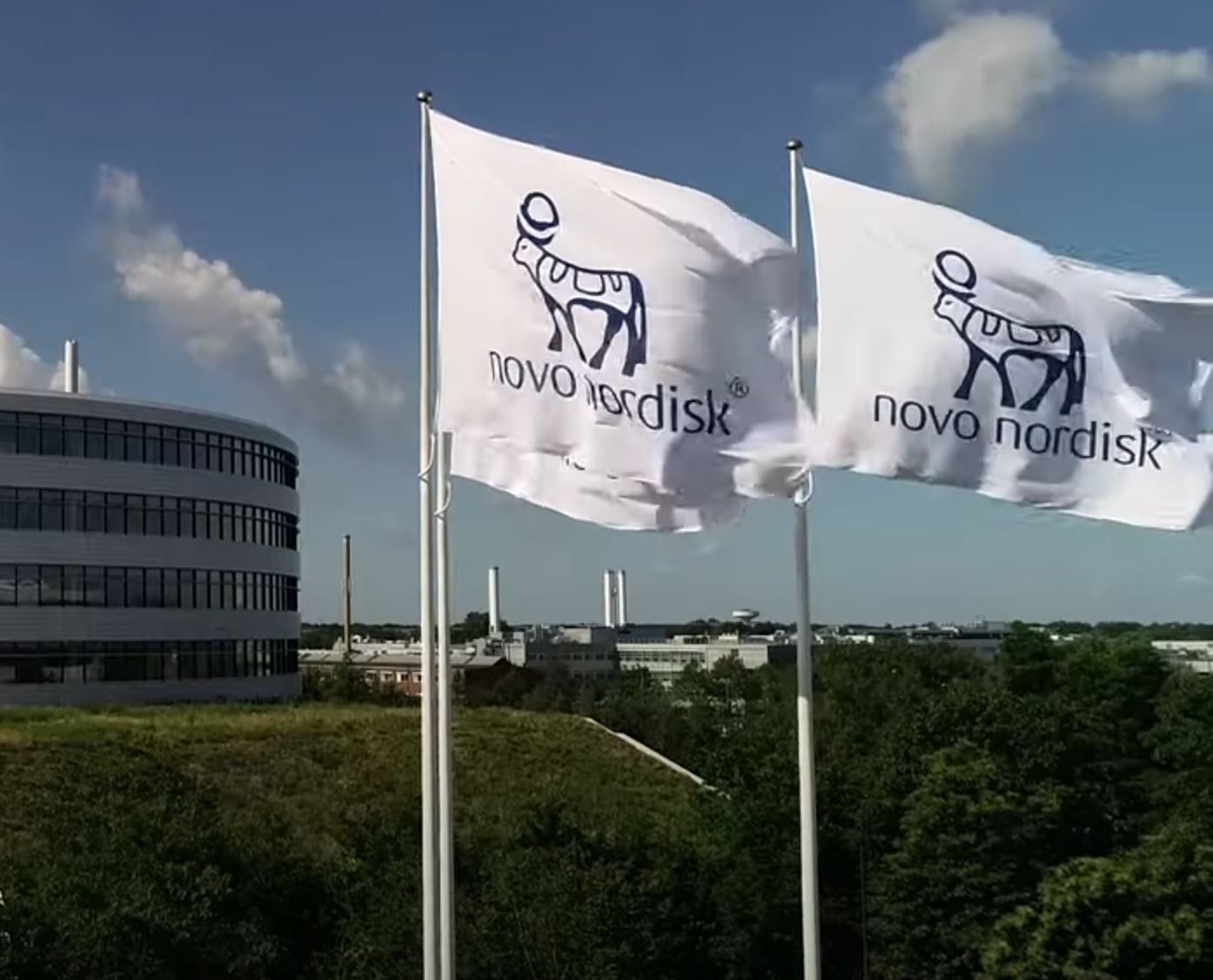
Bagsværd, Denmark — When Novo Nordisk CEO Mike Doustdar announced a comprehensive strategic partnership with OpenAI on April 14, 2026, he framed it not merely as a technology upgrade, but as “one important step in positioning Novo Nordisk to lead in the next era of healthcare.” The statement carries weight. In an industry where the average drug takes 10–15 years to reach patients, Novo Nordisk is wagering that artificial intelligence can compress timelines, unlock hidden patterns in biological data, and ultimately defend its dominance in the rapidly crowding obesity and diabetes markets.
The partnership represents one of the most ambitious enterprise-wide AI integrations yet attempted in the pharmaceutical sector—spanning drug discovery, manufacturing, supply chain, and commercial operations, with full deployment targeted by year-end.
The Competitive Imperative: Beyond the GLP-1 Gold Rush
Novo Nordisk’s urgency is understandable. While the company has enjoyed unprecedented success with its GLP-1 franchise (Ozempic, Wegovy, and Rybelsus), the competitive landscape has shifted dramatically. Eli Lilly, its primary rival, has aggressively pursued AI-driven innovation, signing 16 AI-based deals since 2025—including a $1 billion partnership with NVIDIA and a $2.75 billion collaboration with Insilico Medicine.
The financial stakes are immense. GlobalData reports that the total value of AI partnerships in pharmaceuticals surged 120% year-on-year between 2024 and 2025. Meanwhile, McKinsey projects that AI could unlock $60–110 billion in annual value for the pharmaceutical industry. For Novo Nordisk, the OpenAI partnership is both an offensive capability and defensive necessity.
Four Strategic Vectors: Where AI Meets Operations
1. Drug Discovery: From Serendipity to Systematic Pattern Recognition
Traditional drug discovery has been compared to finding a needle in a haystack while blindfolded. Novo Nordisk intends to change that calculus. By applying OpenAI’s capabilities to analyse complex biological datasets, the company aims to identify promising drug candidates faster and with greater precision.
This aligns with broader industry trends. According to industry data from early 2026, 59% of pharmaceutical and biotech companies now prioritise drug discovery and development as their leading AI use case. More significantly, AI-native biotechs have demonstrated phase 1 success rates materially higher than traditional approaches, while compressing discovery timelines by 40–50%.
For Novo Nordisk specifically, the application extends beyond obesity and diabetes into unexplored therapeutic territories. As Doustdar noted, “There are millions of people living with obesity and diabetes who need treatment options, and we know there are therapies still waiting to be discovered.”
2. Manufacturing & Supply Chain: The Operational Edge
The partnership extends beyond the laboratory into the factory floor and distribution network. Novo Nordisk will deploy AI to optimise manufacturing processes, supply chains, and distribution logistics—critical capabilities for a company struggling at times to meet explosive global demand for its obesity treatments.
This reflects a sector-wide shift toward “intelligent, predictive and automated networks.” Industry surveys indicate that while only 24% of pharmaceutical executives have seen measurable value from AI investments in supply chain operations to date, 57% expect strong returns in 2026—particularly from predictive analytics that reduce stockouts and improve demand forecasting.
Roche provides a benchmark: through AI-driven predictive modelling and quality analytics, the Swiss pharma giant has already cut yield variability by half and reduced scope one and two emissions by 31%. Novo Nordisk likely seeks similar operational excellence gains.
3. Workforce Transformation: The 68,000-Person Upskilling Challenge
Perhaps the most distinctive element of the Novo Nordisk-OpenAI partnership is its explicit focus on human capital. OpenAI will assist in upskilling Novo Nordisk’s global workforce of approximately 68,000 employees, enhancing “AI literacy” across the organization.
This addresses a critical pain point in pharmaceutical AI adoption. While 63% of healthcare and life sciences professionals report active AI use, and another 31% are piloting initiatives, the gap between experimentation and enterprise-scale implementation often comes down to workforce readiness. Novo Nordisk is essentially betting that an AI-literate workforce will be a sustainable competitive advantage—particularly as “agentic” AI systems capable of autonomous reasoning and action become mainstream.
4. Governance & Ethics: The Non-Negotiable Foundation
The partnership has been structured with what both companies describe as “strict data protection, governance and human oversight to ensure ethical and compliant use.” This is not mere public relations caution. In an industry where regulatory scrutiny is intense and patient safety paramount, AI governance frameworks are becoming as critical as the technology itself.
By August 2024, the U.S. FDA had already approved over 950 AI/ML-enabled medical devices, signalling robust regulatory engagement with AI technologies. Novo Nordisk’s emphasis on governance reflects the reality that in healthcare, trust is the ultimate currency—and AI systems must earn it through demonstrable reliability, transparency, and human accountability.
Strategic Context: The Nordic AI Advantage
Novo Nordisk’s decision to partner with OpenAI rather than build proprietary capabilities in-house reflects a broader Nordic business strategy: leveraging global technology platforms while maintaining domain expertise. The approach allows Novo Nordisk to access cutting-edge AI capabilities without the capital intensity and technical risk of developing foundational models internally.
This partnership also positions Denmark—and the broader Nordic region—as a hub for AI-enabled healthcare innovation. With Novo Nordisk’s global headquarters in Bagsværd and its expanding manufacturing footprint across Denmark, the collaboration may catalyse regional AI ecosystem development, attracting talent and ancillary technology investments.
Market Implications: What Investors Should Watch
For stakeholders tracking Novo Nordisk’s trajectory, several metrics will indicate whether this partnership delivers tangible value:
- R&D Pipeline Velocity: Time from target identification to clinical candidate nomination
- Manufacturing Efficiency: Yield improvements and supply chain responsiveness
- Regulatory Submission Quality: Speed and success rate of AI-supported filings
- Workforce Productivity: Measurable output improvements post-AI literacy programs
Early indicators should emerge by Q4 2026, when full integration is targeted for completion.
The Broader Significance: AI as Healthcare Infrastructure
Sam Altman’s statement accompanying the announcement captured the transformational potential: “AI is reshaping industries and in life sciences, it can help people live better, longer lives.” The Novo Nordisk-OpenAI partnership exemplifies a fundamental shift in how pharmaceutical companies view AI—not as a peripheral tool for specific tasks, but as foundational infrastructure enabling the entire value chain.
As the industry moves from “experimentation to full-scale implementation,” Novo Nordisk’s comprehensive approach may serve as a template for pharmaceutical AI integration. The coming months will reveal whether this Nordic pharma leader can successfully translate AI potential into patient outcomes—and sustainable competitive advantage.
What’s Next: The Questions That Matter
As Novo Nordisk pilots OpenAI integration across R&D, manufacturing, and commercial operations, several critical questions emerge that will shape not only this partnership but the broader pharmaceutical AI landscape:
Can AI genuinely accelerate the regulatory approval process, or will it create new complexities in demonstrating safety and efficacy to conservative agencies?
How will AI-discovered drugs be valued by payers and providers compared to traditionally discovered therapies?
What happens when multiple pharma giants deploy similar AI capabilities—does the competitive advantage neutralize, or do execution and data quality become the differentiators?
For our next deep-dive, Nordic Business Journal will examine how AI is reshaping clinical trial design and decentralized research models, with exclusive analysis from Copenhagen’s burgeoning health tech ecosystem and regulatory perspectives from the Danish Medicines Agency and EMA.
Connect with Nordic Business Journal
Stay ahead of Nordic innovation trends. Follow our coverage at https://www.nordicbusinessjurnal.com | Subscribe to our weekly briefing | Connect with our editorial team on LinkedIn | Join the conversation using NordicInnovation.
Have insights on AI transformation in healthcare? Contact our pharma desk: pharma@nordicbusinessjournal.com
Sources: Novo Nordisk official announcement, Pharmaceutical Technology, NVIDIA/RSI Security healthcare AI report, ZS Associates pharma outlook, Eularis AI analysis