
Despite renewed fighting in the Middle East that began in late February 2026, Swedes are still booking summer trips – but the map looks very different than it did a year ago. The headline shift: proximity to conflict now trumps price, and “perceived regional risk” is driving bookings westward at a pace that’s catching airlines, hoteliers, and investors off guard.
The numbers: A tale of two Europes
Ticket, Sweden’s largest travel agency, reported a 7% year-on-year rise in total bookings from March 1 to April 19, 2026, a rebound after sales “stalled significantly” when the conflict first escalated. But that growth masks a dramatic split by destination.
– Cyprus: The frontline of perception
Bookings to Cyprus fell 52% after March 1, according to Ticket, following a March 2 drone strike on a British military base on the island. The island had just come off a record 4.53 million visitors in 2025, but Cyprus’ Deputy Tourism Ministry confirmed a visible slowdown, especially from the UK – Cyprus’ largest source market.
The micro-impact is stark: One Limassol/Larnaca operator lost 50 room nights in a single week, cutting monthly revenue ~35%. Passenger traffic at Cypriot airports dropped 15.3% in March 2026 vs. March 2025, and hotel rates for April–May fell 12%. Charter operator Ving also notes recovery in Cyprus is “somewhat slower” than the rest of the Mediterranean.
Yet authorities stress Cyprus remains operational and safe. The decline is driven by a “regional risk halo” – proximity matters more than conditions on the ground.
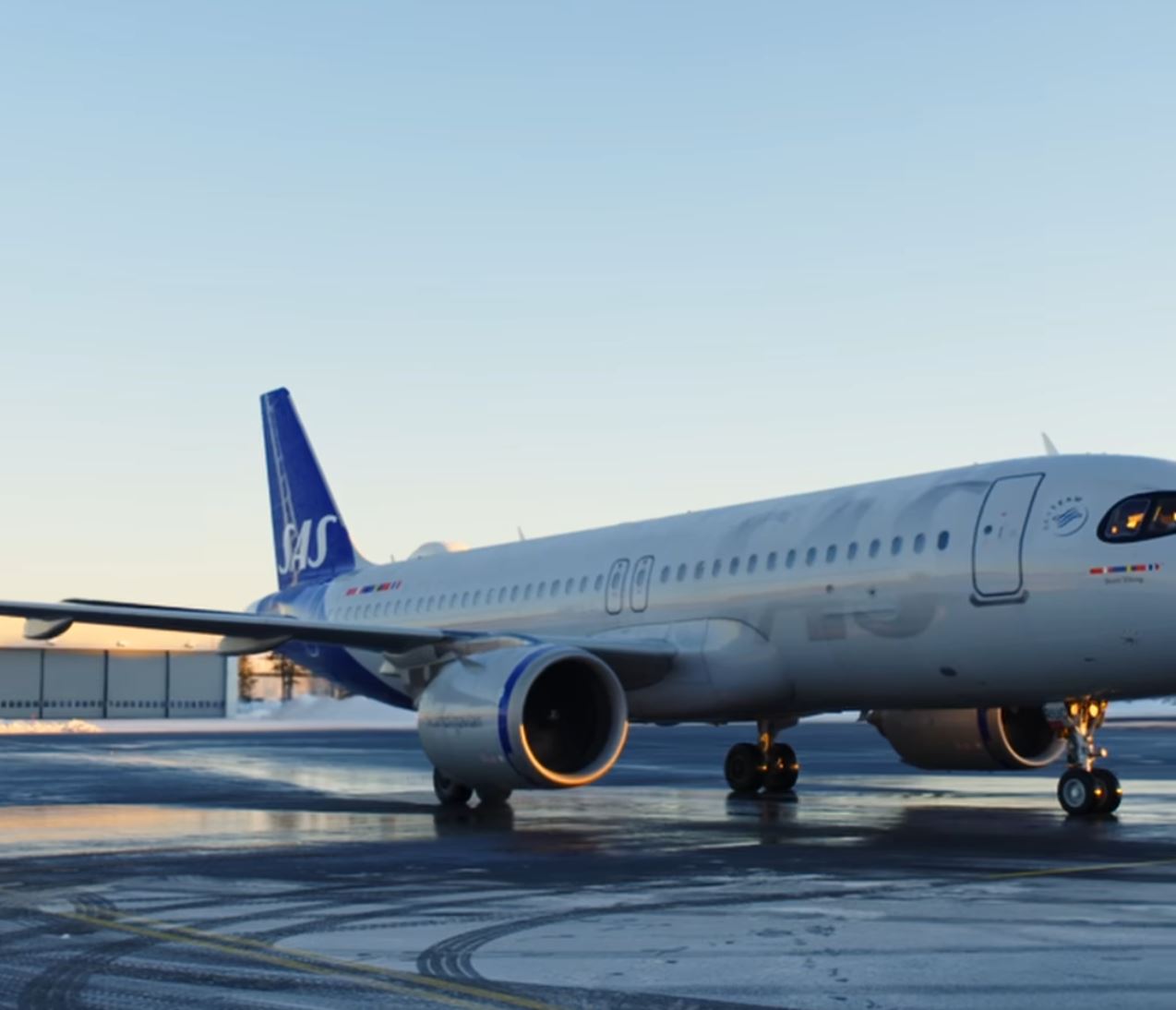
– Western Europe: The new safe haven
As Cyprus, Turkey, and Egypt soften, demand is flooding Spain, Portugal, Italy, and the Caribbean. Ticket’s store manager Jimmy Bergflod sums it up: “They choose destinations away from the Middle East. Mainly Western Europe, such as Spain, Italy, France, England and Portugal.”
Lisbon bookings have doubled year-on-year for Ticket, landing it as a “NEW” entry on the summer 2026 top list. The full ranking vs. 2025:
| 2026 Rank | Destination | 2025 Rank | Insight |
| 1 | Malaga | 2 | Spain benefits from “Western shift” |
| 2 | Alicante | 1 | Coastal Spain remains anchor for Swedes |
| 3 | Majorca | 6 | Big jump – short-haul, perceived stability |
| 4 | Nice | 5 | France seen as predictable/connected |
| 5 | London | 9 | City breaks replace eastern sun |
| 6 | Lisbon | NEW | 100% growth per Ticket; Portugal a clear winner |
| 7 | Split | 3 | Croatia holds, but slips slightly |
| 8 | Barcelona | 4 | Spain still dominates list |
| 9 | Crete | 9 | Greece “softening” but not collapsing |
| 10 | Rome | 7 | Italy gains as “safe” culture destination |
Analysis: 4 forces Nordic executives should watch
1. Perception > Reality in pricing power
Cyprus, Turkey and Egypt are discounting aggressively – Bodrum hotel rates fell >25% within a week of escalation, and Cyprus hotels report near standstill in 2026 reservations. Meanwhile, Western Med hotels face the opposite: higher loads, stronger yield, but also capacity strain and staffing gaps. For Nordic tour operators, margin is migrating west with the tourists.
2. Airline networks are being rewired
Rerouting to avoid Middle Eastern airspace is adding time and cost, which hits Eastern Med competitiveness twice: higher fares + higher perceived risk. Long-haul demand into Europe is softening, so intra-European and domestic travel will carry more of Greece and Cyprus’ 2026 season. Expect more narrow-body capacity from SAS, Norwegian, and Finnair shifted to Iberia/Portugal this summer.
3. Insurance & corporate travel policy become demand signals
Mabrian’s Perception of Security Index shows Gulf destinations plunged after late February. Many Swedish firms now flag Turkey, Cyprus, Egypt as “caution” in travel policies, mirroring consumer sentiment. If you run MICE or incentive travel, Western Europe and the Baltics are the low-friction choices for Q2–Q3.
4. Fuel and food costs: The second-order squeeze
The original article flagged rising fuel prices and pressure on Swedish farmers. That remains: geopolitical risk + longer flight paths = structural cost up. HORECA and MICE sectors in Cyprus already face lower occupancy and higher insurance premiums. For Nordic hospitality investors, due diligence in Eastern Med now needs a “geopolitical beta” line item.
What this means for Nordic business readers
– Travel retailers & DMOs: Dynamic packaging to Portugal, Northern Spain, and secondary cities like Porto, Valencia, or Bordeaux will outperform Eastern Med this summer. Marketing should stress “3-hour direct, no conflict airspace” – the new luxury is predictability.
– CFOs planning conferences: Price drops in Cyprus/Turkey look tempting, but factor cancellation risk and duty-of-care. A 12–25% room discount can be erased by one wave of cancellations.
– Investors: The Central Bank of Cyprus cut 2026 growth to 2.7% citing tourism. Watch for distressed assets in Eastern Med hospitality, but also bottlenecks in Western Med where demand is spiking.
– SMEs in food/agri: As the original piece noted, Middle East unrest pressures Swedish farmers via energy and input costs. Diversify sourcing and hedge fuel now; volatility is not just a 2022 story.
Outlook: Adaptability is the KPI
HVS expects demand composition to shift toward domestic and intra-European travel, with Greece and Cyprus leaning on “closer, more flexible demand”. The key challenge is adaptability – flows can reverse fast if conditions change. For now, the winners are destinations that can offer sun, Schengen, and distance from headlines.
Where we go next & how to connect
In our June issue, Nordic Business Journal will publish “The Western Med Playbook: Who’s Winning the Re-routed Swedish Tourist Krona”, with exclusive data from Amadeus, SAS, and hotel revenue managers in Lisbon, Malaga, and Nice. We’ll map which Swedish regions are driving the shift and how local airports are adjusting slot allocations.
Have data or a perspective to share? Email our travel & stay desk at editors@nordicbusinessjournal.com or connect with us on LinkedIn at Nordic Business Journal. For confidential tips on booking trends or corporate travel policy changes, use our Signal. 073
Nordic Business Journal – Where Nordic Capital Meets Global Context.