
An unexpected pollutant is now showing up on the radar of environmental managers, utilities and investors across the Nordics: human recreational drugs and their metabolites. New field research from the Swedish University of Agricultural Sciences (SLU) demonstrates that cocaine breakdown products change the behaviour of wild juvenile Atlantic salmon, with potential consequences for fisheries, ecosystems and the companies and municipalities that depend on clean water.
What the SLU study found
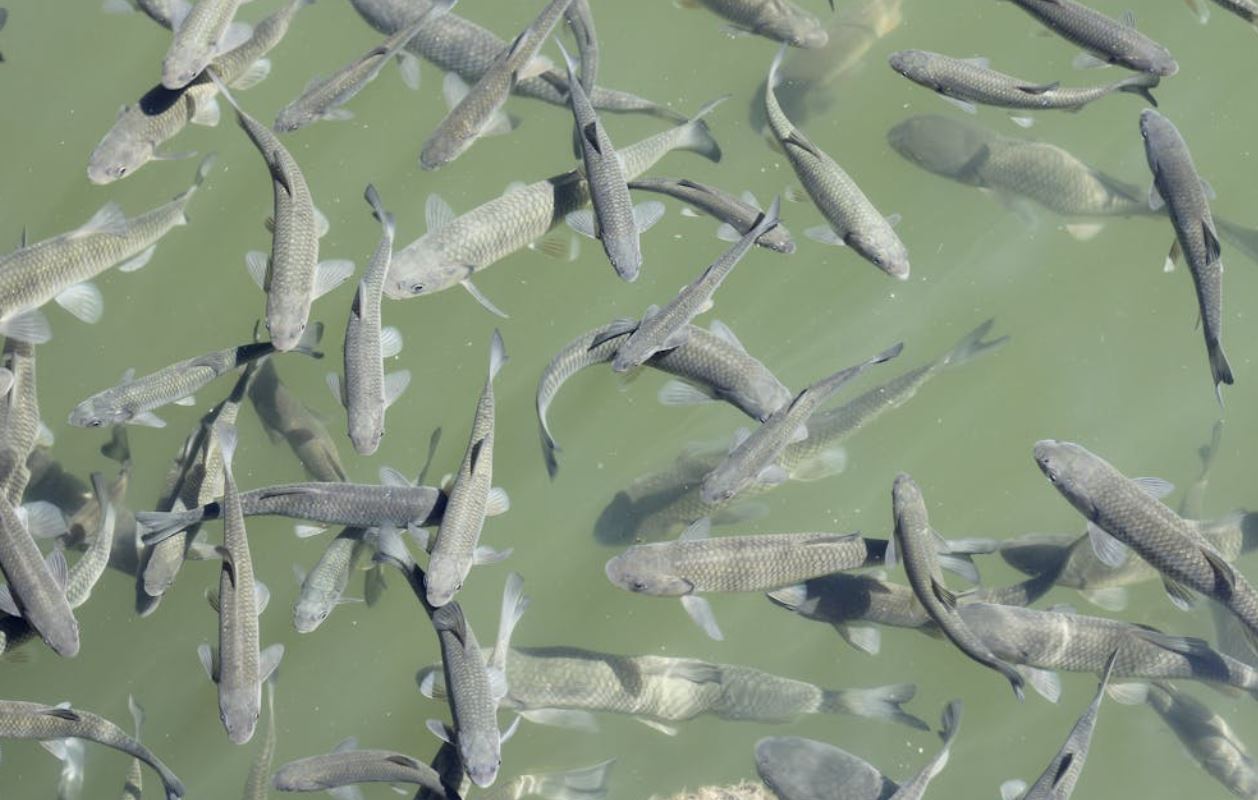
SLU researchers exposed young Atlantic salmon in Lake Vättern to environmentally realistic concentrations of cocaine and its main metabolite, benzoylecgonine. Fish exposed to benzoylecgonine swam up to 1.9 times farther per week and dispersed up to 12.3 kilometres farther across the lake than unexposed control fish. The metabolite produced stronger behavioural changes than the parent drug.
Why this matters to Nordic business and policymakers
Movement patterns underpin how fish find food, avoid predators, use habitat and ultimately sustain populations. When contaminants change movement at scale, the effects cascade into ecology and economy:
– Fisheries and aquaculture risk: Wild salmon stocks and juvenile survival are economically important to Nordic fisheries, tourism and recreational angling. Altered dispersal may lower survival, change stock dynamics and complicate hatchery and conservation efforts. Aquaculture operations near impacted waterways could face higher risk of parasite or disease pressure if wild fish behaviour shifts.
– Ecosystem services and liability: Shifts in predator–prey interactions and habitat use can affect water quality, biodiversity and ecosystem resilience — with downstream implications for water utilities, hydropower operations and tourism-dependent communities.
– Regulatory and reputational exposure: Municipal utilities and companies may be required to monitor and mitigate “emerging contaminants.” Failure to act could mean regulatory sanctions, higher remediation costs later, and brand risk in markets where sustainability matters.
– Market opportunity: Demand for monitoring, advanced wastewater treatment, and source-control solutions creates commercial opportunities for technology providers, engineering firms and environmental service companies.
Why metabolites deserve attention
A critical take-away from the SLU work is that breakdown products — not just parent drugs — can be more persistent and biologically active in the environment. In humans, cocaine is rapidly metabolized into benzoylecgonine, which persists longer in wastewater and surface waters and may be less efficiently removed by conventional treatment. Risk assessments that ignore metabolites risk underestimating ecological impacts.
Treatment and policy levers
The good news: there are tangible responses that Nordic governments, utilities and private actors can pursue.
– Upgrade wastewater treatment selectively. Conventional plants remove solids and reduce nutrients and pathogens effectively, but many are not designed to remove micropollutants like drug residues. Advanced treatments — ozonation, activated carbon adsorption (powdered or granular), membrane filtration or advanced oxidation processes (AOP) — can significantly reduce concentrations of a broad range of organic micropollutants. Targeted upgrades at major urban plants yield disproportionate benefits.
– Monitor metabolites, not just parent compounds. Analytical methods such as LC–MS/MS and passive samplers can provide high-resolution data. Monitoring programmes must include benzoylecgonine and other metabolites identified as biologically active.
– Prioritise source control. Policy measures — take-back schemes for pharmaceuticals, public-health campaigns, and upstream interventions in wastewater collection (reducing combined sewer overflows) — complement end-of-pipe solutions and are often cost-effective.
– Cross-sectoral governance. River-basin scale management that brings together utilities, environment agencies, aquaculture businesses and municipalities will be necessary. Emerging contaminant watch-lists and inclusion in water quality frameworks are increasing in Europe; the Nordics should align monitoring and response to these evolving mandates.
– Invest in R&D and pilots. Telemetry and behavioural ecology studies like SLU’s combined with water chemistry profiling create powerful evidence for targeted action. Pilot-scale upgrades allow cost-benefit appraisal before large capital works.
Commercial and investment implications
Upgrading treatment capacity and monitoring creates a demand pipeline for engineering firms, sensor and data companies, and construction services. For investors, companies that provide proven, scalable technologies for micropollutant removal and environmental monitoring stand to grow as regulation and public concern rise. Public–private partnerships can spread capital costs while delivering environmental benefits.
Operationally, utilities must adapt asset management strategies: prioritise the plants in catchments where sensitive species and critical ecosystems face highest exposure, and adopt phased investments according to risk and population served.
Broader contextual factors
Two additional trends heighten the urgency: climate change and urban dynamics. Warmer waters, altered flow regimes and increasing urbanisation change exposure patterns and the fate of micropollutants. Recreational drug use patterns and population density also influence loadings into sewer systems. Taken together, these factors argue for anticipatory, not reactive, management.
Conclusions for Nordic leaders
The SLU findings make clear that “drugs in the environment” are not a fringe scientific curiosity — they press on familiar business levers: regulation, capital expenditure, risk management and market opportunity. Nordic countries can take a leadership position by integrating monitoring of metabolites into environmental programmes, piloting targeted upgrades at strategically important wastewater plants, and supporting multi-stakeholder governance that protects both ecosystems and local economies.
Practical next steps
– Utilities: initiate screening at strategic plants for benzoylecgonine and other metabolites; model exposure in sensitive catchments.
– Municipalities and regulators: evaluate inclusion of drug metabolites on monitoring watch-lists and in environmental risk frameworks.
– Investors and industry: assess market potential for advanced treatment and monitoring solutions; consider pilot investments and public–private project structures.
– Researchers: expand field studies linking environmental chemistry with animal behaviour and population outcomes to inform targeted interventions.
What’s next and how to contact us
In our next feature we will quantify the costs and benefits of upgrading Nordic wastewater plants for micropollutant removal, including case studies of pilot projects in Switzerland and Scandinavia and an investor’s view on the emergent market. If you represent a utility, technology provider, regulator or research group and would like to contribute data, case studies or perspectives, contact the Nordic Business Journal editorial team at editorial@nordicbusinessjournal.com. Join the conversation on how to protect our waters while unlocking business opportunities.