
Regional health authorities are rewriting contracts with private digital providers to curb inflated invoicing practices
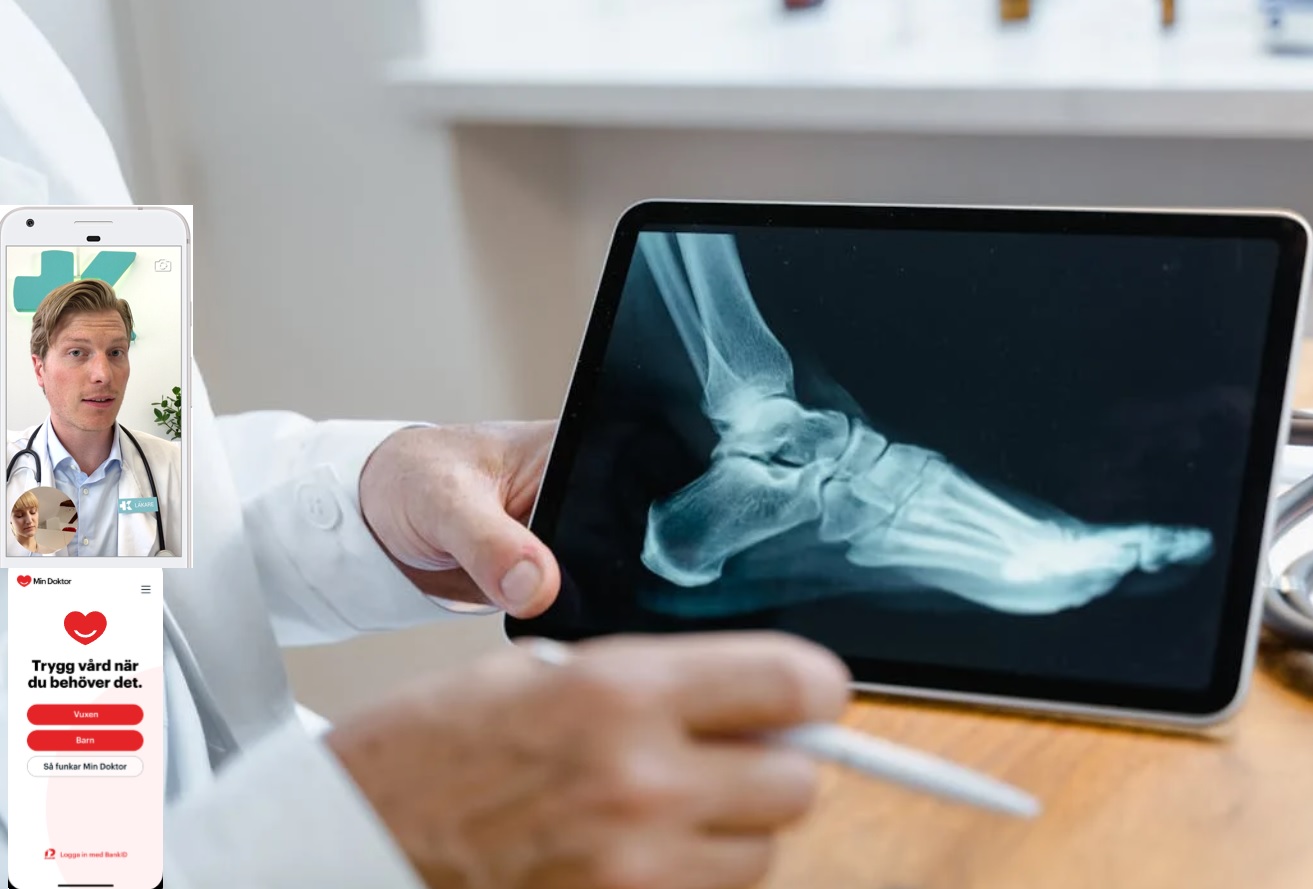
Swedish regional healthcare authorities are imposing strict new limits on which virtual doctor appointments they will reimburse, following a Swedish Radio investigation that exposed some private digital care providers billing for up to 100 consultations per day per physician—raising serious questions about quality of care and billing ethics.
The new rules, now being written into contracts with private providers, specifically exclude reimbursement for online appointments where doctors merely inform patients of test results, provide referrals, or offer advice that could have been given by the national healthcare helpline 1177.
Industry Context: Sweden’s Digital Care Boom Meets Reality
Sweden has been a European frontrunner in digitizing healthcare delivery. According to OECD data, Sweden ranks third in the EU for health ICT investment—EUR 5.9 million per 100,000 population as of 2023—and public adoption of digital health tools is among the highest in Europe.
However, these systemic weaknesses remain. Despite high national spending, regional disparities persist, with rural areas facing acute general practitioner shortages. The government is now shifting from passive recruitment incentives to performance-based accountability measures to address these gaps.
This latest crackdown on private digital providers reveals growing tension between Sweden’s ambitious digital health agenda and the need to protect public funds.
The Swedish Radio Investigation: What Triggered the Change
Swedish Radio’s investigative review found extreme cases where individual doctors at private digital care firms were seeing 100 patients daily—raising concerns about whether volume-based compensation models were compromising care quality.
While digital providers like Kry have expanded access, particularly in rural areas, the investigation revealed billing practices that blurred lines between meaningful clinical consultations and simple administrative tasks.
The New Rules: What Will and Won’t Be Paid For
Under revised contracts being negotiated between Sweden’s 21 healthcare regions and private digital providers:
No Longer Reimbursable:
– Test result notifications delivered online
– Referrals to physical specialist care
– General advice that could be obtained through 1177.se or 1177 telephone helpline
– Repeat consultations where no new clinical evaluation occurs
Still Reimbursable:
– Initial diagnostic consultations for new symptoms
– Follow-up consultations for chronic condition management
– Prescription renewals requiring clinical evaluation
– Mental health counselling sessions
– Clinical consultations requiring physical examination
What This Means for Business
For Private Digital Providers:
– Volume-based business models face existential threat—contracts will prioritize value-based care metrics
– Providers must demonstrate clinical outcomes data to maintain regional contracts
– Potential market Consolidation as smaller players exit or merge
For Healthcare Regions:
– Estimated cost savings of 15-25% on digital care budgets
– Reduced exposure to billing fraud and inflated consultation claims
– Increased leverage in contract negotiations with remaining providers
For Patients:
– Potential reduction in unnecessary follow-up appointments
– Clearer distinction between paid clinical care and free information services
– Possible slight increase in wait times for digital consultations as provider pools shrink
Navigating Sweden’s Healthcare System
The 1177 helpline remains Sweden’s primary gateway for non-emergency health advice, offering 24/7 nursing support in multiple languages. Patients calling 1177 receive free triage and guidance but are not establishing clinical relationships with specific doctors.
Sweden’s decentralised healthcare structure—where 21 regions and 290 municipalities manage delivery—creates complex reimbursement landscapes. Private providers without regional contracts charge patients directly, while contracted providers bill regional authorities.
Looking Ahead
Sweden’s Healthcare Minister has signalled these contract changes are just the opening phase of broader digital health reforms expected through 2025. The government is currently developing a unified national digital infrastructure to automate quality register reporting and streamline certificate handling.
Additionally, a national care intermediation system is rolling out to connect patients with alternative providers when facing wait times, supported by a national catalogue of available services.
The Bigger Picture: Sweden’s healthcare system is characterized by the lowest hospital bed density in the EU—a deliberate policy shifting care toward outpatient and digital settings. With hospital capacity already constrained and a 2,230-bed shortfall confirmed in 2024, the government is investing SEK 3.7 billion to strengthen primary care and SEK 1 billion to reduce surgical waiting lists.
Follow-Up: What to Read Next
For readers tracking Sweden’s evolving digital health landscape, here are the recommended follow-up stories for Nordic Business Journal:
Next Article Suggestions:
1. “How Sweden’s 1177 Helpline Became the World’s Most Used Digital Health Gateway” — Explore the 34 million annual calls and why international observers are studying Sweden’s model for their own systems.
2. “Sweden’s Rural Healthcare Crisis: Why Doctors Won’t Move” — Deep dive into the regional workforce disparities that created demand for private digital providers in the first place, and why new government subsidies may not be enough.
3. “Value-Based Care vs. Volume: The Nordic Digital Health Business Model Test” — Analysis of which private digital providers will survive the transition from per-consultation billing to outcome-based contracts.
4. “Nordic Healthcare Investment 2025: Where Public Money Is Flowing” — Breakdown of the SEK 3.7 billion primary care initiative and the SEK 800 million Rural and Remote Staffing Grant, and what international investors should know.
For Nordic Business Journal | Analysis based on reporting from Sveriges Radio, OECD data, and Swedish Ministry of Health documentation.
Footnotes and additional sources:
- Swedish Radio – Health Care Regions to Limit Payments (https://www.sverigesradio.se/artikel/9203724)
- Swedish Radio – Online Doctors Investigation (https://www.sverigesradio.se/artikel/online-doctors-on-pay-bonuses-can-see-100-patients-a-day)
- 1177.se – Healthcare Information (https://www.1177.se/en/other-languages/other-languages/soka-vard/det-har-ar-1177/)
- OECD State of Health in the EU – Sweden 2025 (https://www.oecd.org/content/dam/oecd/en/publications/reports/2025/12/country-health-profile-2025-country-notes_7e72146d/sweden_89cbfa25/a77d5bfa-en.pdf)
- Swedish Health System Summary 2024(https://eurohealthobservatory.who.int/publications/i/sweden-health-system-summary-2024)