
In 2025, Europe cemented its status as the world’s fastest-warming continent. The EU’s Copernicus Climate Change Service, delivered via the European Centre for Medium-Range Weather Forecasts (ECMWF), confirmed record-breaking heat on land and at sea, accelerating glacier loss and redrawing risk maps for Nordic businesses, investors, and policymakers.
2025: The Year the Thermometer Broke
The data leave little room for debate. Across Europe, 2025 ranked as the third warmest year globally, but the regional impact was disproportionate. The Arctic and Europe warmed at more than twice the global average rate.
Key findings from the State of the Climate in Europe 2025 report:
- Scandinavian Heat Dome: Northern Scandinavia endured its longest, most severe heat wave on record. For 21 consecutive days in July, temperatures topped 30°C, even north of the Arctic Circle. Sweden, Norway, and Finland each logged either their warmest or second-warmest year ever measured.
- Southern Extremes: Turkey recorded its first-ever reading above 50°C, a threshold with direct implications for labour productivity, energy demand, and agricultural yields.
- Marine Heat: Average sea surface temperatures hit all-time highs. 86% of European marine areas experienced strong to severe marine heatwaves, disrupting fisheries and threatening coastal infrastructure.
- Hydrological Stress: 2025 was among the three driest years since 1992. Water flows in 70% of European rivers ran below normal, though extreme flooding was less prevalent than in 2023–2024.
“Europe is the continent that is warming the fastest and the consequences are already severe,” says Florian Pappenberger, Director General of ECMWF.
The Ice Bill Comes Due: Greenland and Beyond
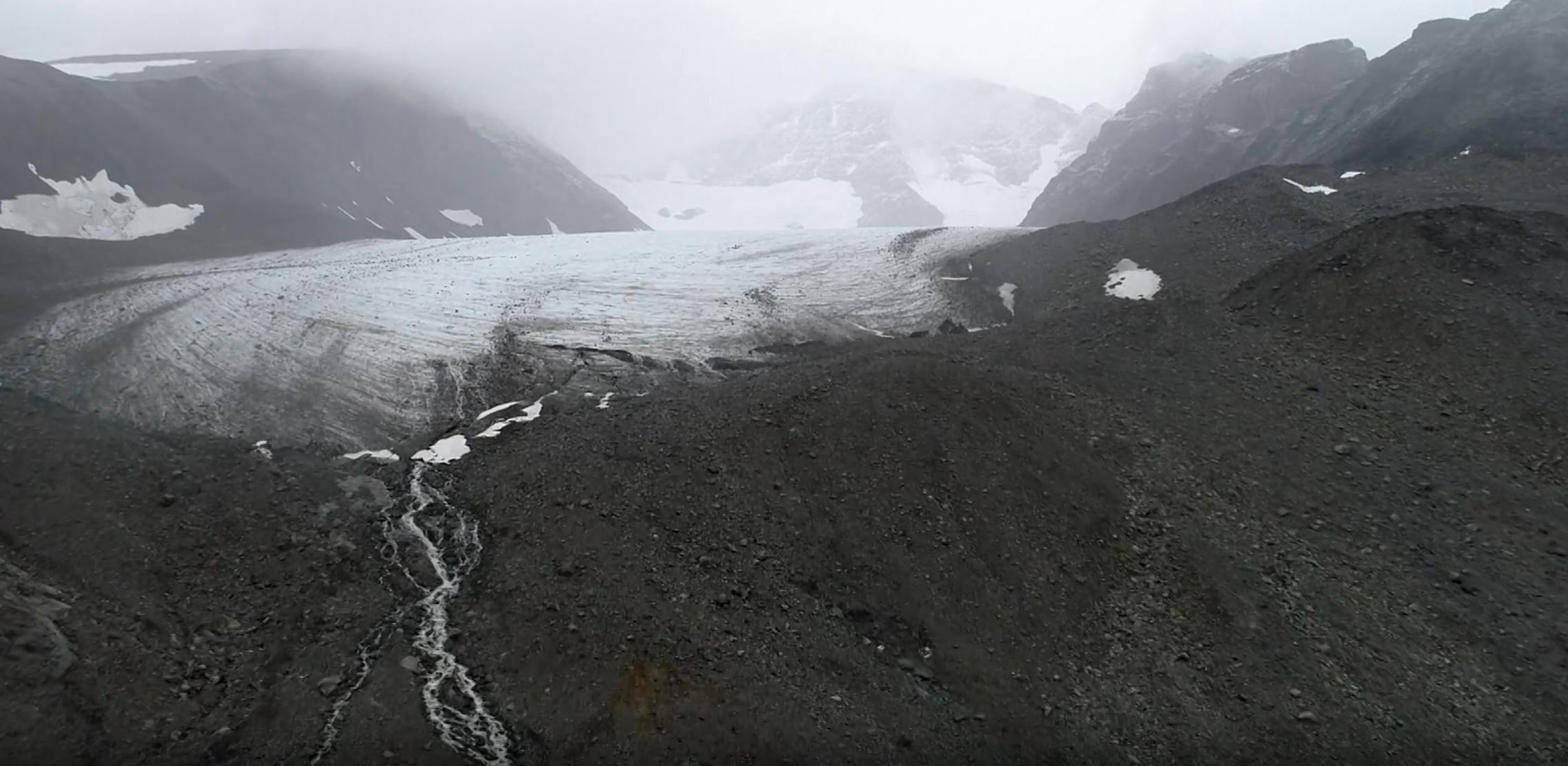
Glacier retreat continued in every European region, but the scale of loss in Greenland dwarfs the rest. The Greenland Ice Sheet shed 139 billion tonnes of ice in 2025 alone. For context, that is 1.5 times the total ice volume of the European Alps.
“All our studies indicate that we will lose more mass on the Greenland Ice Sheet,” confirms Martin Jakobsson, Professor of Marine Geology and Geophysics at Stockholm University.
While northern Scandinavia saw comparatively smaller glacier losses in 2025, the long-term trend remains clear. New measurements from Kebnekaise, Sweden’s highest peak, reinforce the trajectory. “You can’t deny that glaciers are shrinking. It may look a little better in some years, but the big trend is that they are losing mass,” says Nina Kirchner, Professor of Glaciology and Director of the Tarfala research station.
What This Means for Nordic Business: 3 Strategic Takeaways
The 2025 report is not just a climate summary. For Nordic executives, it is a risk and opportunity ledger.
| Sector | 2025 Climate Driver | Business Impact | Strategic Response |
| Energy | Marine heatwaves + low river flows | Reduced hydropower output; higher cooling demand; grid stress | Accelerate grid storage, diversify into offshore wind, price seasonal volatility |
| Insurance & Finance | Heat extremes + prolonged drought | Rising claims in agriculture, health, and property; asset repricing in flood/drought zones | Update catastrophe models; stress-test portfolios against 50°C scenarios |
| Shipping & Arctic Logistics | Greenland ice loss; Arctic warming | Longer ice-free seasons in Arctic routes; new port viability | Invest in Arctic-capable fleet; reassess Suez/Panama exposure; monitor regulatory shifts |
| Tourism & Real Estate | Shrinking glaciers; northern heat waves | Decline in winter sports reliability; new summer tourism north of Arctic Circle | Pivot ski resorts to year-round models; market “coolcation” assets |
Analysis: The Decoupling of Temperature and Economic Impact
Three insights matter for boardroom decisions in 2026:
1. Non-linear Costs: The jump from 49°C to 50°C in Turkey is not symbolic. Labor law, infrastructure specs, and insurance contracts often have hard thresholds. Once crossed, costs spike faster than temperature. Nordic firms with southern EU supply chains should audit for these cliffs.
2. The “Cooling Premium”: Northern Scandinavia’s 21-day heat wave signals that traditional climate havens are not immune. Yet relative to Southern Europe, the Nordics still hold a cooling advantage. Expect increased data centre investment, migration of heat-sensitive manufacturing, and real estate inflows. The premium is real, but not permanent.
3. Water Is the New Carbon: With 70% of rivers below normal flow, water stress is now a systemic business risk. Hydropower-heavy utilities in Norway and Sweden already adjusted 2025 output forecasts. Water-intensive industries need disclosure and hedging strategies on par with carbon.
Updates Since the 2025 Report
As of Q1 2026, three developments add context:
1. Greenland Ice Sheet Monitoring: Preliminary satellite gravimetry from March 2026 suggests melt rates in winter 2025/2026 remained above the 1991–2020 average, reinforcing Jakobsson’s projection. The IPCC’s next special report on ice sheets is expected in late 2026.
2. EU Adaptation Law: Following 2025’s extremes, the EU Parliament fast-tracked the Climate Resilience Act in February 2026. It mandates stress-testing for critical infrastructure against 50°C scenarios by 2028. Nordic compliance costs will be lower than southern peers, creating a relative advantage.
3. Insurance Retreat: Major reinsurers have begun withdrawing from agricultural coverage in parts of the Mediterranean after Turkey’s 50°C event. Nordic insurers are picking up new market share but face modeling gaps for compound heat-drought events.
The Bottom Line for Nordic Leaders
2025 was not an outlier. It was an accelerant. The climate data now set the floor for corporate strategy, not the ceiling. The firms that treat heat, water, and ice as balance sheet items, not CSR footnotes, will define the next decade of Nordic competitiveness.
Sources: WMO; European Centre for Medium-Range Weather Forecasts (ECMWF); Copernicus Climate Change Service; interviews with Martin Jakobsson and Nina Kirchner.
Follow-Up Direction & Reader Connection
In our next issue, Nordic Business Journal will publish “The Nordic Cooling Economy: Who Profits When Europe Overheats”, featuring exclusive interviews with Vattenfall, Storebrand, and the Port of Narvik on adaptation ROI and Arctic trade corridors.
Have data on how 2025’s climate extremes affected your operations? Share your case study with our editorial team at climate@nordicbusinessjournal.com or join the discussion on our LinkedIn page. We’re building a live database of Nordic climate adaptation strategies and want your input.