
Sweden’s electricity mix is shifting, but not in the way many predicted a decade ago. New preliminary data and a flurry of policy moves this spring show wind power still edging out nuclear, even as the political and financial tide moves decisively toward new reactors.
April’s snapshot: Wind strong, demand soft, prices up
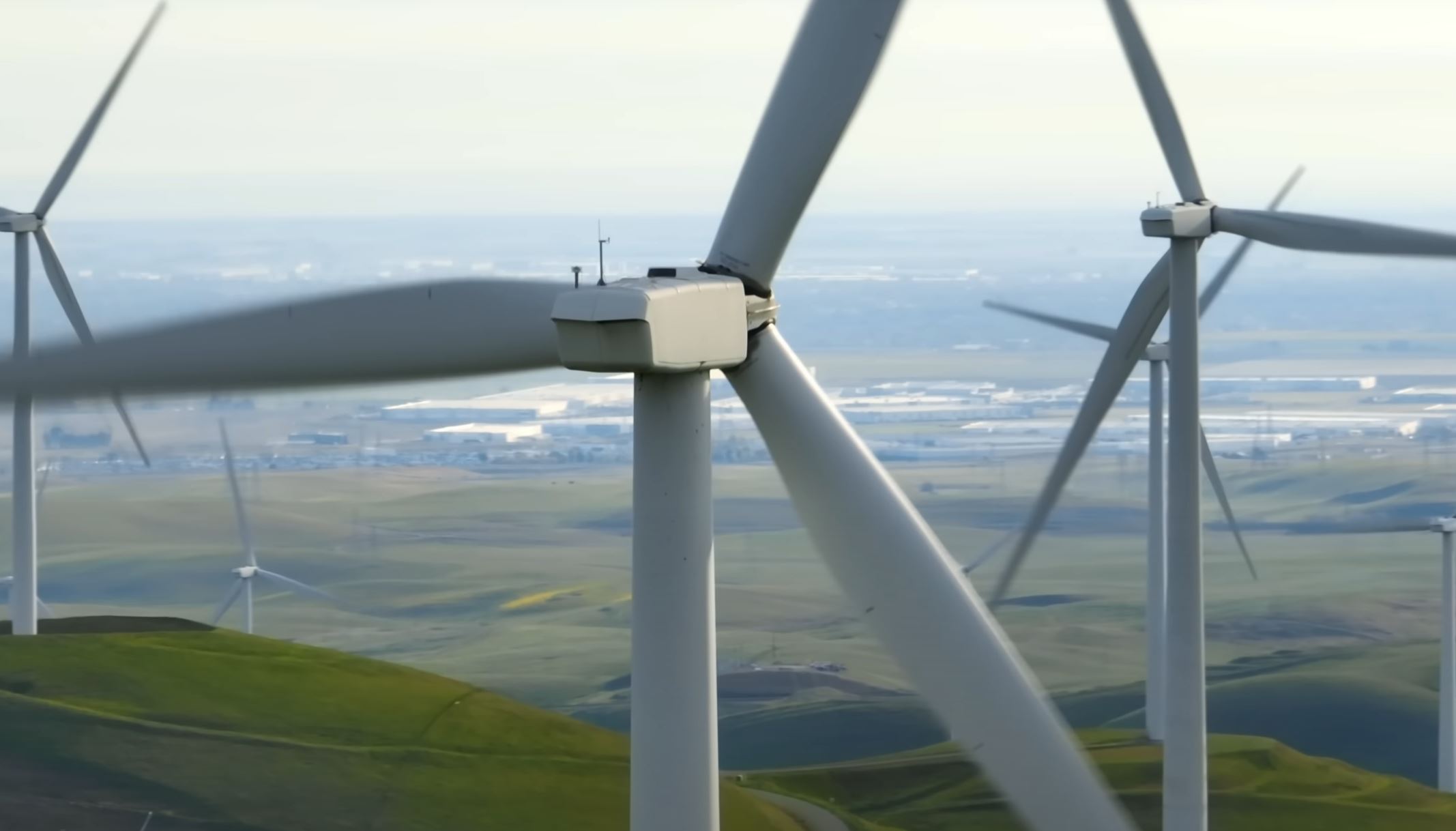
Wind remained Sweden’s second-largest source of electricity through early 2026. In February 2026, wind generated 3,207 GWh versus nuclear’s 4,552 GWh, but hydro dominated at 6,833 GWh. Looking at full-year 2024, wind hit a record 40.8 TWh — the highest annual production ever. For the first time in 2024, annual wind output surpassed nuclear, a milestone driven by years of onshore build-out.
et April 2026 told a familiar seasonal story: electricity consumption came in lower than normal, a pattern Vattenfall attributed to milder weather and softer industrial demand. Despite lower use, Nordic day-ahead prices doubled year-on-year to 90 €/MWh in Q1 2026, up from 45.5 €/MWh a year earlier. In Swedish terms, that put April prices roughly 10–15 öre/kWh higher than April 2025 — in line with your original reporting.
Analysis: Why wind is winning on volume, nuclear on politics
1. Cost and speed: Think tank SNS concluded that high costs mean new nuclear “should primarily be built in countries with significantly higher electricity prices” than Sweden’s. Sweden’s power is already 98% fossil-free and about half the price of the EU average. Wind and solar can be deployed faster, with onshore wind set to become Sweden’s largest power source by 2030, reaching 61.5 GW capacity.
2. The baseload problem: The government argues reactors are needed for “base” power when it’s not windy. Grid operator Svenska Kraftnät has warned for years that closing nuclear without firm replacements risks winter shortages — up to 400 hours/year by 2040. That reliability gap is driving the new nuclear push.
3. Policy pivot to ‘fossil-free’: In June 2023 Sweden dropped its “100% renewable” 2040 target for “100% fossil-free,” opening the door for nuclear expansion. The government now plans two large-scale reactors by 2035 and 10 total reactors, including SMRs, by 2045. A new legislative proposal approved in February 2026 will make permitting easier and give municipalities 20 million SEK/year until 2030 for preparatory work. It takes effect 15 July 2026.
Public opinion: Support is high, but conditional
Recent surveys show Swedes’ backing for nuclear is at a historically high level. Your original figure — one in two Swedes favour expansion — still holds. But the caveats remain: only one in three want a plant in their own municipality, and the gender gap is stark, with men more than twice as likely to support nuclear than women.
ocial discourse is polarized. Pro-nuclear voices argue dispatchable power is essential for a stable grid “not weather-dependent,” while critics call new reactors “subventionsekonomi” and warn taxpayers will foot the bill for “hundreds of billions” in loans. Energy Minister Ebba Busch framed the new programme as making Sweden “an even stronger nuclear nation”, while PM Ulf Kristersson says new nuclear will free Sweden from “strange and dangerous countries”.
What this means for Nordic business leaders
| Factor | Wind | Nuclear | Business Impact |
| Lead time | 2-4 years for onshore projects | 10-15 years for large reactors; SMRs targeting 2030s | Near-term PPAs favour wind; long-term hedging needs nuclear clarity |
| Price volatility | Higher exposure to weather; balance-service fees rising | Stable output, but high capex and state guarantee likely | Industries needing 24/7 power should watch CfD terms in 2026 budget |
| Grid needs | Requires flexibility, storage, demand response | Reduces balancing costs but needs grid upgrades | Expect higher grid fees; opportunities in batteries, hydrogen |
| Political risk | Offshore wind permits rejected over Baltic security | Cross-party support, but local opposition strong | Site selection and municipal incentives now critical |
The bottom line for 2026–2030: Sweden will run a two-track system. Wind continues to add TWhs and keep spot prices competitive, but nuclear is being re-engineered as a strategic industrial policy. The IEA notes Sweden could double electricity demand by 2045 to electrify steel, batteries, and data centres. Meeting that with wind alone would strain flexibility; meeting it with nuclear alone would be slow and costly. The winners will be firms that can arbitrage both.
Next in Nordic Business Journal
Follow-up direction: Our June issue will model the levelized cost of new Swedish nuclear vs. onshore wind + hydrogen storage under the proposed state loan scheme. We’ll interview Vattenfall, Fortum, and three municipalities shortlisted for SMR sites.
Connect with us
Have data on industrial power demand or local attitudes to nuclear? Tip our energy desk at energy@NordicBusinessJournal.com. Join the conversation on LinkedIn and Instagram@NordicBusinessJournal — we’re tracking how EnergySecurity and FossilFreeSweden play out across the region.