
At least 69 people were killed in a late-April attack in Ituri province, Democratic Republic of the Congo, according to AFP reports corroborated by local civil protection officials. The death toll may exceed 70, with bodies still being recovered days later due to chronic insecurity. The assault, attributed to the CODECO militia, is not an outlier. It is the latest symptom of a protracted security and humanitarian breakdown in eastern DRC that now intersects with global supply chains, critical-minerals policy, and the credibility of ESG commitments across Nordic and European boardrooms. For executives, investors and policymakers, Ituri is no longer a peripheral conflict. It is a material risk to the world’s energy transition.
What Happened in Ituri, and Why the Numbers Shift
In the final week of April, CODECO fighters struck the village of Galayi, 70 km northwest of Bunia, Ituri’s provincial capital. Local chief Banzala Danny and civil society leader Vital Tungulo reported 25 civilians killed, up from an initial count of 10, after additional bodies were found. A UN document and provincial spokesperson Jules Ngongo confirmed the attack and the early death toll.
AFP and other outlets later cited civil protection officials who put the total at “at least 69,” with some victims identified as militiamen and soldiers, complicating early verification. Insecurity, remote terrain, and the use of bladed weapons often delay reporting and MONUSCO response, meaning figures are revised upward as access improves.
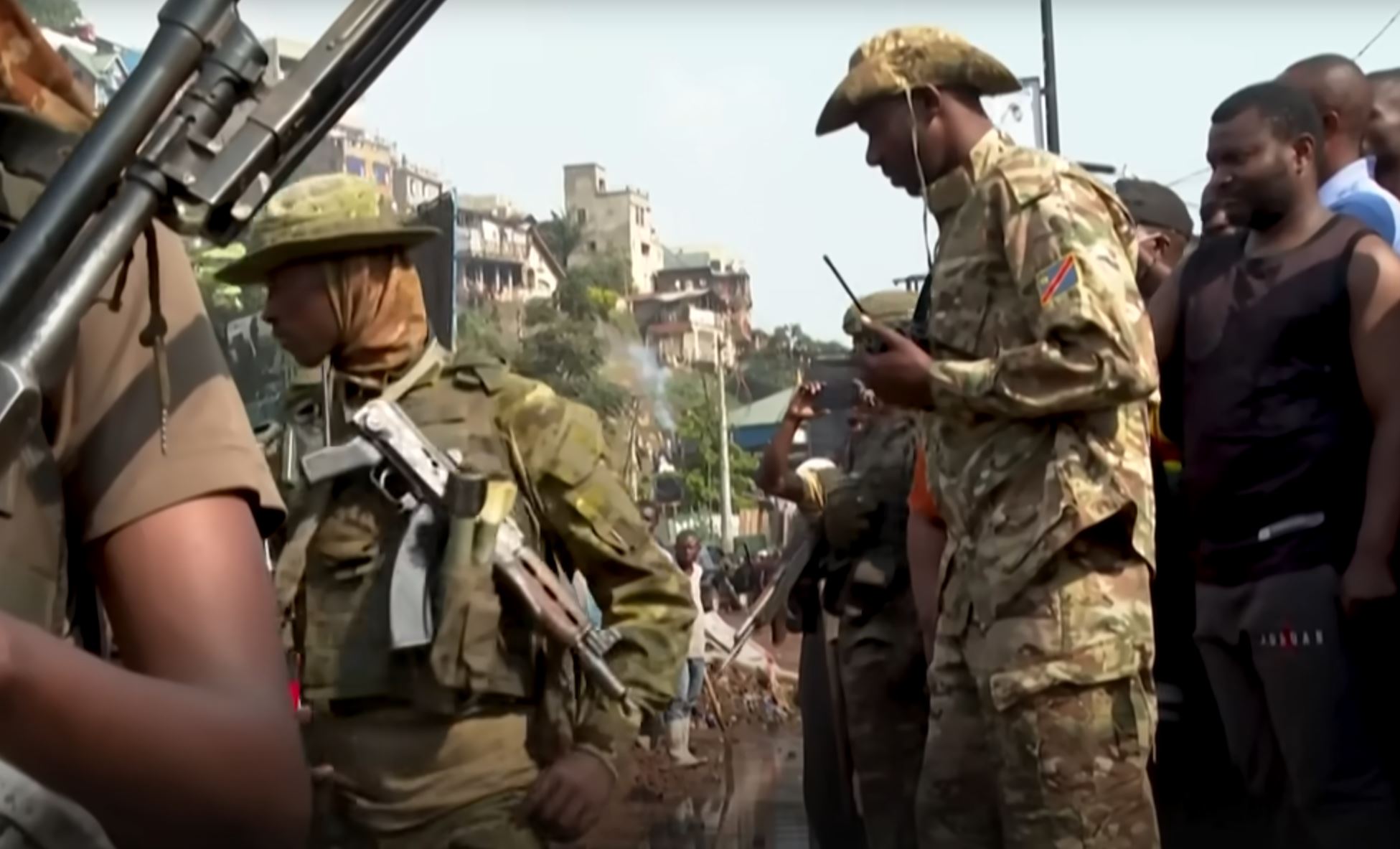
CODECO: Local Grievance, National Consequence
CODECO, the Cooperative for the Development of Congo, is a loose network rooted in Lendu communities. It emerged from historic land and ethnic disputes with Hema herders and has been accused by the UN of massacres that may constitute war crimes and crimes against humanity. Its operations are concentrated in Djugu territory, where competition for influence and access to artisanal gold and other minerals fuels cycles of raids and reprisals.
CODECO is not alone. The Allied Democratic Forces, an Islamic State-affiliated group, and roughly 100 other armed actors operate in eastern DRC. In July 2025, ADF killed 66 people in what the UN called a “bloodbath,” and the Rwanda-backed M23 has seized key cities in North and South Kivu. The result is overlapping conflicts that defy single-actor solutions.
The Human and Economic Geography of Instability
Ituri already hosts more than 920,000 internally displaced people, a figure that rises with each attack. Displacement camps are themselves targets: CODECO has frequently struck them, while MONUSCO reports that militants’ use of machetes rather than firearms can delay peacekeeping intervention.
For Nordic investors, the strategic relevance is twofold:
1. Critical minerals exposure. Eastern DRC supplies cobalt, copper, tantalum, tin and gold essential to batteries, defence, and digital infrastructure. Ituri’s gold belt feeds artisanal networks that CODECO and other groups tax or control. Escalating violence raises the cost and compliance risk of sourcing, just as the EU’s Critical Raw Materials Act and Corporate Sustainability Due Diligence Directive tighten supply-chain liability. An attack that killed six Chinese nationals in Djugu in 2024 underscores the risk to foreign personnel and projects.
2. ESG and reputational contagion. The UN Joint Human Rights Office notes a deteriorating rights situation in Ituri since early 2024 due to increased CODECO attacks. Funds with Nordic LPs are under pressure to demonstrate “conflict-free” sourcing. Yet traceability in artisanal gold and 3T supply chains remains weak, and kinetic risks to auditors on the ground are rising.
Nordic and International Perspectives: A Fragmented Response
Compared with Nordic conflict-management models that prioritize local mediation and institutional trust, eastern DRC suffers a vacuum of state authority. The Congolese army, FARDC, conducts operations against militia positions, but CODECO has retaliated against civilians, burning homes and looting villages. MONUSCO, the UN peacekeeping mission, has a mandate but faces mobility and access constraints.
Meanwhile, Rwanda-backed M23’s advance in the Kivus has killed an estimated 3,000 people around the capture of Goma and threatens a wider humanitarian catastrophe. The region is thus caught between localized militia violence in Ituri and geopolitical proxy dynamics involving Rwanda, Uganda and regional mineral interests.
For EU and Nordic policymakers, the policy toolkit is shifting: from development aid toward hard security partnerships, sanctions on illicit mineral traders, and due-diligence legislation. Sweden’s and Finland’s battery and mining-tech sectors have a direct stake in a stable DRC. Norway’s sovereign wealth fund, with its ethical guidelines, illustrates how portfolio exposure to DRC-linked supply chains invites scrutiny.
Risks, Opportunities, and Why This Matters Now
Risks
– Operational: Mine suspensions, logistics chokepoints, and insurance premiums rise as attacks persist.
– Regulatory: EU CSDDD enforcement from 2027 will require companies to identify and mitigate risks in conflict-affected areas. Non-compliance carries civil liability.
– Geopolitical: M23’s southward push and ADF’s IS links internationalize what began as local grievances, drawing in regional powers and complicating peace talks.
Opportunities
– Formalization partnerships: Nordic mining-tech and blockchain firms can support traceability schemes that professionalize artisanal mining and undercut militia financing.
– Security innovation: Demand for drone-based monitoring, satellite ISR, and community-alert platforms is growing among humanitarians and compliant operators.
– Diplomatic leverage: Finland and Sweden’s credibility in mediation could support a regional framework linking the Luanda and Nairobi peace processes to economic incentives.
Forward-Looking Analysis: Three Scenarios to Watch
1. Contained Volatility, 2026–2028
FARDC and MONUSCO achieve tactical gains against CODECO, but root causes—land rights, youth unemployment, gold rents—remain. Attacks continue at lower intensity. Supply-chain due diligence becomes a cost of doing business, favouring larger players with compliance budgets.
2. Regional Spillover
M23 consolidates control in the Kivus while ADF and CODECO exploit security gaps in Ituri. Refugee flows into Uganda and mineral smuggling through Rwanda strain East African Community relations. EU considers targeted sanctions on armed-group financiers, affecting refiners and traders with Nordic links.
3. Stabilisation via Economic Integration
A donor-backed plan formalizes artisanal mining cooperatives, with Nordic development finance institutions de-risking investment. Local power-sharing deals reduce CODECO recruitment. DRC’s new mining code enforcement improves, and Ituri’s gold begins entering legal supply chains at scale. This is the least likely near-term but the highest value for long-term investors in the green transition.
Conclusion: Strategic Perspective for Decision-Makers
The Ituri killings are a data point in a structural crisis. Eastern DRC sits at the intersection of climate technology, digital transformation, and great-power competition for minerals. For Nordic executives, the imperative is to move from reactive risk disclosure to proactive engagement: map Tier-N exposure, invest in traceability, and support security-sector reform that protects civilians without entrenching war economies.
Policymakers should pair due-diligence mandates with on-the-ground stabilization funding. Entrepreneurs in mining-tech, satellite analytics, and community finance have a market opportunity to make “conflict-free” verifiable, not just aspirational.
The lesson from Ituri is clear: in 2026, supply-chain resilience is not just about shipping lanes and chip fabs. It is about whether a village 70 km from Bunia can exist without becoming a casualty statistic. The companies and countries that understand that will shape the next decade of sustainable growth.