
Executive Introduction
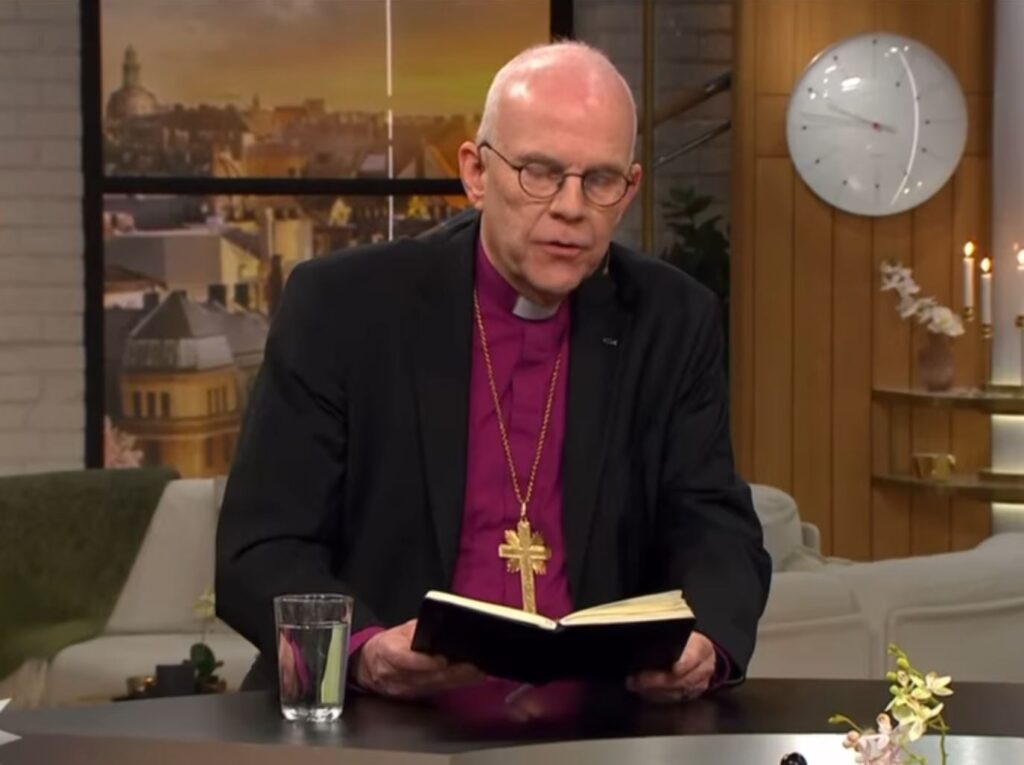
On Sunday, Archbishop Martin Modéus issued a formal apology on behalf of the Church of Sweden for its institutional role in Norrbotten’s workhouse system, where Tornedalian, Kven, and Lantalaiset children were subjected to forced assimilation during much of the 20th century. The service, held jointly with Svenska Tornedalingars Riksförbund – Tornionlaaksolaiset (STR-T), marks a concrete step in a reconciliation process initiated after the 2023 Truth and Reconciliation Commission assigned moral responsibility to both the Swedish state and the Church.
For Nordic business leaders, the moment transcends ecclesiastical history. It signals how legacy institutions are addressing historical liabilities, a shift with direct implications for social license, ESG performance, and regional investment dynamics in northern Sweden — a region now central to Europe’s green industrial transition.
The Workhouse System: From Social Provision to Instrument of Assimilation
Between 1903 and 1954, 21 state-funded workhouses operated across Norrbotten, housing some 5,500 children. Initially established to provide schooling for pupils living in remote areas or conditions of poverty, the institutions evolved into mechanisms of “Swedishization.” Children were prohibited from speaking Meänkieli or Finnish, and testimonies recorded by the Commission describe physical abuse, humiliation, and cultural erasure.
Governance of the system was embedded in regional power structures. The board included the Bishop of Luleå Diocese and the Governor of Norrbotten, making the Church of Sweden not a peripheral actor but, in Modéus’s words, “the backbone” of the structure. When the workhouses closed, residual assets transferred to the Norrbotten County Workhouses Foundation, closing the institutional chapter but leaving cultural and social debts unresolved.
Reconciliation in Practice: Apology Without Preconditions
The service held this weekend centred testimony over ritual. Accounts from former pupils were read aloud, including one woman relaying her father’s words: “You weren’t allowed to be a child there.” Hymns were sung in Swedish and Meänkieli, and a written apology was distributed to affected families.
Modéus framed the gesture deliberately: “Reconciliation takes time. Therefore, we offer this apology without any expectation of response or forgiveness.” The formulation matters. In corporate and public governance terms, it separates accountability from transaction, acknowledging harm without seeking reputational closure. For stakeholders evaluating institutional credibility, the distinction between performative and substantive redress is critical.
Why This Matters Now: The North as a Strategic and Moral Frontier
The apology coincides with intensified capital deployment in Norrbotten and Västerbotten. The region is host to HYBRIT, Northvolt’s battery gigafactory, and large-scale wind and hydrogen projects that underpin EU climate goals. These investments depend on local consent, workforce recruitment, and political stability.
Historical grievances among national minorities are material risk factors. International ESG frameworks — including the UN Guiding Principles on Business and Human Rights and the EU’s Corporate Sustainability Due Diligence Directive — now require companies and sponsoring states to conduct human rights due diligence that extends to legacy impacts. The Church’s move, therefore, is not isolated heritage management; it is part of the de-risking architecture for the Nordic green transition.
Comparative Nordic Context: Reconciliation as Competitiveness
Sweden’s process parallels Norway’s Truth and Reconciliation Commission on Sámi and Kven/Norwegian Finns, which delivered its report to the Storting in 2023, and Finland’s ongoing commission on the Sámi. In Canada and Australia, failure to address Indigenous residential school legacies has resulted in litigation, project delays, and brand damage.
Nordic economies compete on trust, transparency, and high social standards. Proactive reconciliation can thus be read as a competitive positioning tool. It reduces regulatory uncertainty, aligns with institutional investor mandates, and strengthens the “Nordic model” brand in global capital markets where ESG scrutiny is tightening.
Business Implications: Risks, Opportunities, and Governance
Risks
1. Social License: Industrial developers in Sápmi and Tornedalen face heightened expectations for free, prior, and informed consent. Unresolved historical claims can mobilize opposition to land use.
2. Talent and Retention: Meänkieli speakers and younger Tornedalians are a critical labour pool for northern projects. Institutional distrust impedes recruitment and community partnership.
3. Litigation and Remediation Costs: While the Church’s apology is moral, not legal, precedent in other jurisdictions shows that formal acknowledgment often precedes claims for financial redress from the state.
Opportunities
1. Cultural Capital as Innovation Input: Revitalization of Meänkieli and Tornedalian cultural heritage creates differentiation for place-branding, tourism, and creative industries — sectors Sweden’s northern municipalities are actively developing.
2. ESG Leadership: For faith-based and public institutions with significant asset portfolios, credible reconciliation improves ratings with Nordic pension funds and sovereign investors increasingly screening for social impact.
3. Policy Alignment: The process gives the Church and STR-T a seat at the table in regional development councils, allowing them to shape skills, language, and education policy tied to industrial expansion.
Leadership and Institutional Renewal
The Church of Sweden remains one of the country’s largest landowners and a significant stakeholder in civil society. Modéus’s approach — separating apology from absolution — reflects a broader shift in Nordic leadership culture: from hierarchical authority to accountability-driven stewardship. For executives, the lesson is transferable: addressing legacy harm openly can strengthen, not weaken, institutional resilience.
Annette Kohkoinen, vice chair of STR-T, described the service as “a pretty strong feeling” that left her “moved.” Such responses indicate that symbolic acts, when grounded in documented truth, retain power to shift stakeholder sentiment.
Long-Term Trends: From Apology to Structural Equity
Three developments bear watching:
1. State Response: The 2023 Commission assigned parallel responsibility to the Swedish state. Parliament has yet to announce a formal redress framework. The scope and funding of that response will set precedent for corporate co-financing of social programs in affected regions.
2. Digital and Educational Infrastructure: Meänkieli is classified as a national minority language. Expect increased public investment in digital learning tools, archives, and bilingual public services — procurement opportunities for edtech and govtech firms.
3. Transnational Minority Rights: Tornedalians, Kvens, and Lantalaiset communities span the Swedish, Norwegian, and Finnish borders. Cross-border reconciliation may evolve into a distinct Arctic policy track within the Nordic Council and EU regional funds.
Conclusion: Trust as Infrastructure
The Church’s apology does not erase the workhouse system, nor does it conclude the reconciliation process. Its strategic value lies in treating trust as infrastructure — as essential to the North’s industrial future as roads, power, and fibre.
For investors and policymakers, the message is clear: in regions where history is lived experience, credible engagement with the past is a precondition for sustainable growth. The Nordic advantage has long been built on social cohesion. Maintaining it will require institutions — secular and sacred — to audit their legacies with the same rigor they apply to financial statements. The work, as Modéus noted, takes time. Markets, however, are already pricing the outcome.
Facts
- 21 workhouses in Norrbotten (1903–1954)
- Approx. 5,500 children placed in institutions
- 2023 Truth and Reconciliation Commission report (SOU 2023:68)