
Helsingborg, Sweden — In less than a year, Helsingborg Hospital has gone from performing just two vaginal surgeries per month to three to four per week—a transformation that has drastically reduced patient waiting times for critical gynaecological procedures such as prolapse repairs and urinary incontinence surgeries.
So, what changed? The answer: smarter workflows, bold leadership, and rethinking the medical playbook.
A Staggering Improvement
Previously, patients at Helsingborg Hospital waited up to a year for specialized vaginal surgical procedures. But by mid-2025, the queue had all but vanished.
“Now, the wait is minimal—almost non-existent,” said Dr. Karin Dahlquist, senior physician and gynaecologist, who has led the transformation since October 2024.
Reinventing Surgical Practice
The dramatic improvement was no miracle—it was strategy.
1. Leadership in Scrubs: Everyone Gets Involved
Dr. Dahlquist herself stepped well beyond traditional physician roles. Rather than sticking strictly to medical duties, she took on tasks typically handled by technical or auxiliary staff:
- Sterilizing surgical instruments
- Swabbing floors
- Disinfecting the operating theatre
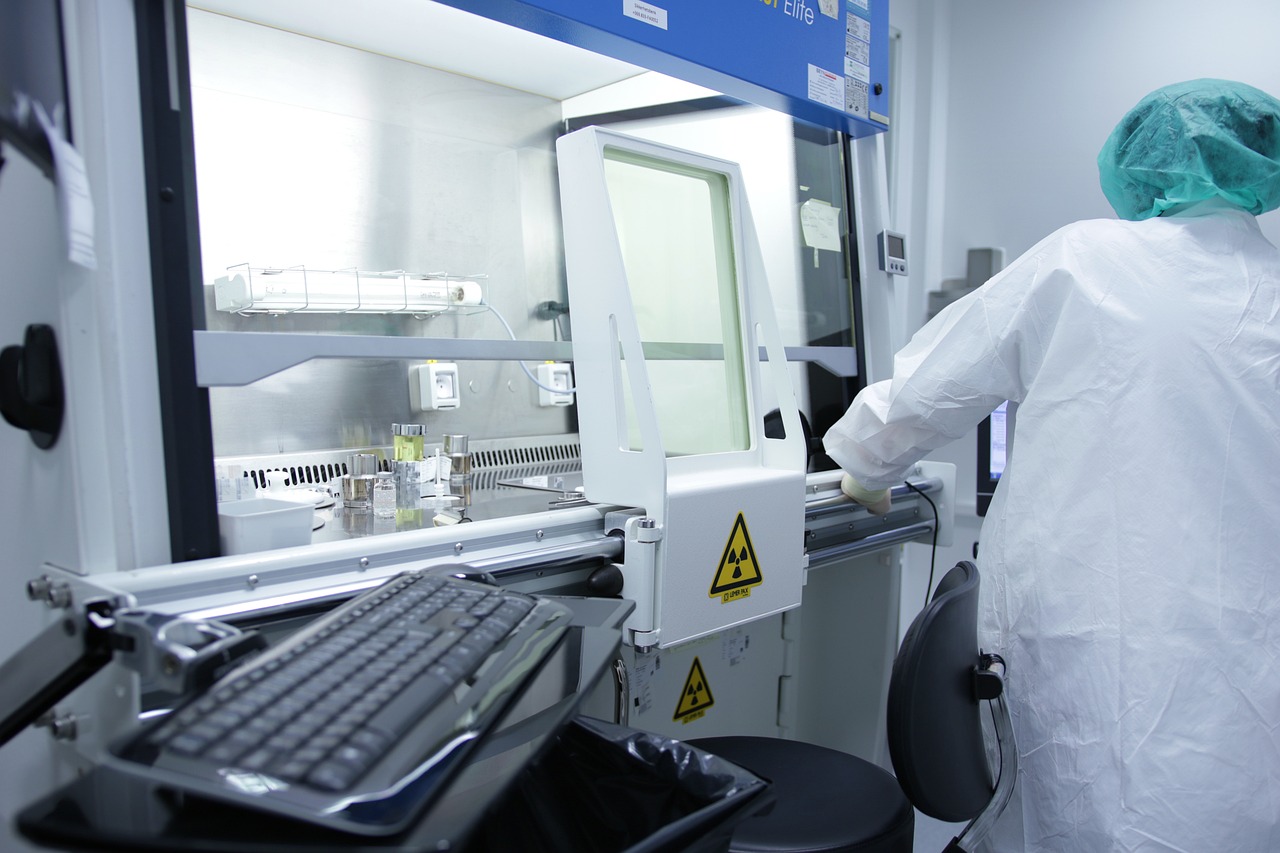
This hands-on approach not only saved time in the operating schedule but also helped the team understand the full cycle of the procedure—from patient prep to post-op clean-up.
“No task is too small. It’s about keeping the workflow seamless,” remarked Dr. Dahlquist. “We want to get more surgeries done without compromising care.”
2. Switching to Local Anaesthesia and Sedatives
Another game-changing innovation: moving away from general anaesthesia for most vaginal surgeries.
- For procedures like prolapse repairs and urinary incontinence interventions, the hospital now uses local anaesthetics and mild sedatives.
- Patients remain awake but relaxed, avoiding the risks and delays associated with general anaesthesia.
“It shortens the time both before and after the operation,” Dr. Dahlquist noted. “Patients recover faster, and we can admit more cases into the schedule.”
This has particularly improved turnaround time, allowing the clinic to fit in more operations per day while improving patient safety and comfort.
3. Restructured Scheduling
Adaptability has also been key. Surgeries are not performed during summer, meaning that queues may reappear temporarily in the fall. But the team is prepared.
“We know it’s coming, so we plan for it,” Dahlquist said. “We’ve built a system where we can handle fluctuations in demand.”
A Replicable Model?
While Helsingborg’s solution is tailored to its unique circumstances, the core strategies—cross-functional team responsibilities, smart anaesthesia choices, and flexible scheduling—could serve as a valuable model for other hospitals grappling with surgical backlogs.
Ultimately, it’s a story about modernizing care without inflating cost—by working smarter rather than harder.
Key Takeaways:
- Capacity Boost: From 2 surgeries/month to 3–4/week
- Queue Time: Reduced from 1 year to near-zero
- Tools: Local anaesthesia replaces general in many cases
- Team Effort: Senior physicians assist in operations logistics
- Future Outlook: Anticipated seasonal demand managed proactively
In a health care environment increasingly burdened by delayed procedures and staffing strain, Helsingborg Hospital’s lean, patient-focused innovation offers a rare glimpse of what’s possible when tradition yields to creative problem solving.