
Explanatory Report:
A comprehensive study involving 15,000 Swedish adults has revealed a strong connection between climate-related weather changes and increased mental health and sleep issues. The findings indicate that prolonged periods of winter darkness—especially during snowless winters—combined with hotter summers have a significant negative impact on well-being, contributing to a rise in sleep disturbances, depression, and sick leave.
Impact of Dark, Snowless Winters:
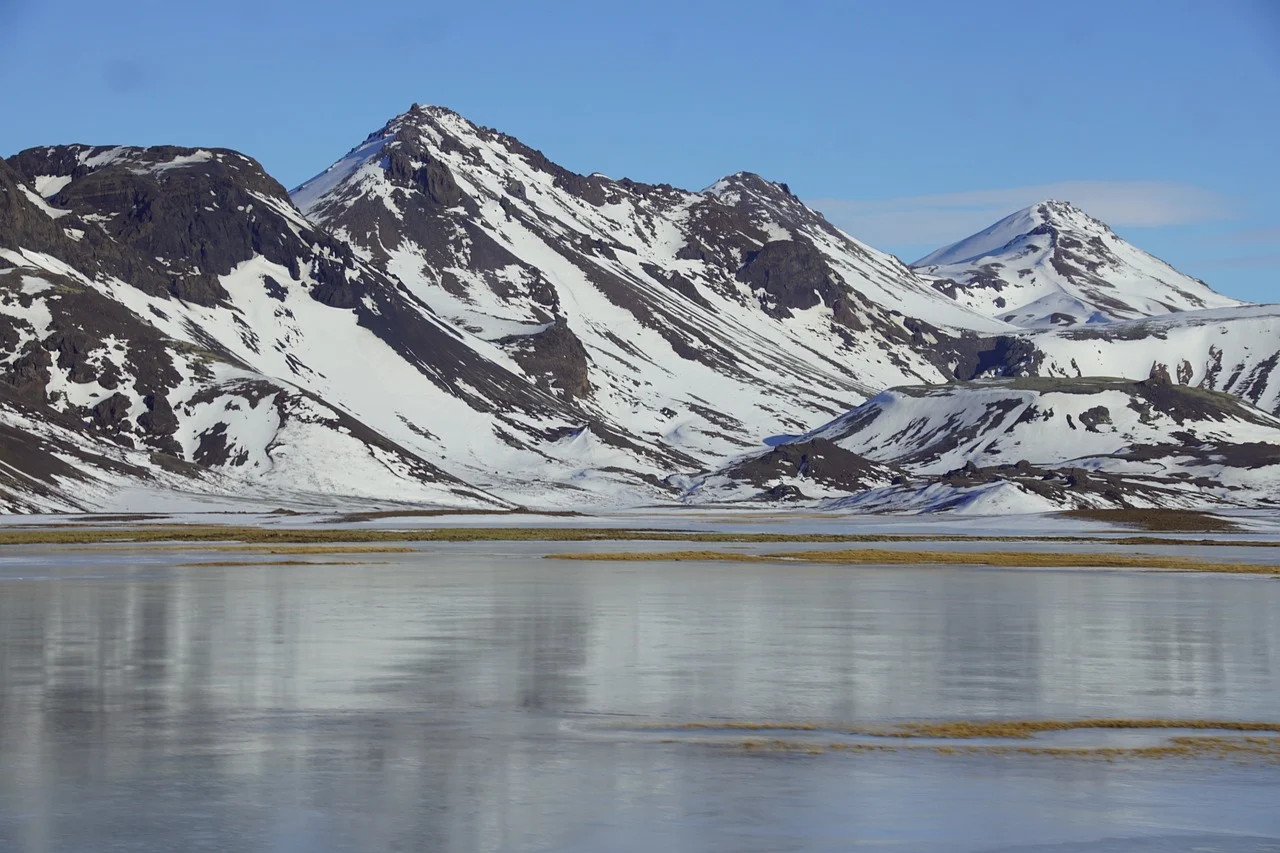
According to researchers, the psychological burden of winter darkness is heightened in the absence of snow. Snow typically brightens the environment and mitigates some of the mood-dampening effects of long, gloomy winter months. However, climate change is making snowless winters more frequent, exacerbating symptoms of depression and insomnia. Analysis of self-reported sleep and mental health symptoms, gathered during winter, was compared with lighting data from the Swedish Meteorological and Hydrological Institute. The data shows a clear link between darker conditions and an increase in reported problems.
The Toll of Summer Heatwaves:
The study also uncovered the heightened vulnerability of elderly populations during summer heatwaves. Results show that each consecutive day of extreme heat increases the number of emergency hospital visits, particularly among those over 75 years old. Timo Partonen, a research professor at the Finnish Institute for Health and Welfare, emphasized this trend in an interview, highlighting the added stress that high temperatures place on the elderly.
Correlation with Increased Sick Leave:
The research further extended to Finland, using data from the Sickness Absence Study, which tracked over 300,000 working-age individuals. The study examined the connection between lighting conditions in the weeks leading up to sick leave and the incidence of work absences. By combining weather data with the location of individuals, a clear relationship emerged between adverse weather (either atypically dark or oppressively hot conditions) and a spike in medical leave.
Broader Implications:
These findings suggest that ongoing climate changes—manifested in darker, snowless winters and more frequent, intense heatwaves—are having direct consequences on public health, specifically in terms of sleep quality and mental wellness. The research underscores the increasing necessity for healthcare systems and policymakers to recognize and address these weather-related health risks as part of wider climate adaptation strategies.