
Norwegian energy giant Equinor reported a significant 19 percent drop in profit for its recent quarter, driven primarily by falling oil prices and ongoing production challenges in Northern Norway. The company’s adjusted operating income declined to $1.74 billion, down from $2.15 billion a year earlier—an unexpectedly steep fall, missing average analyst expectations of $1.80 billion according to Bloomberg.
The financial setback reflects two primary factors:
- Sustained lower oil prices: Global oil markets have seen a broad decline, with Equinor’s average liquids price falling by as much as 19 percent year-over-year to $63 per barrel.
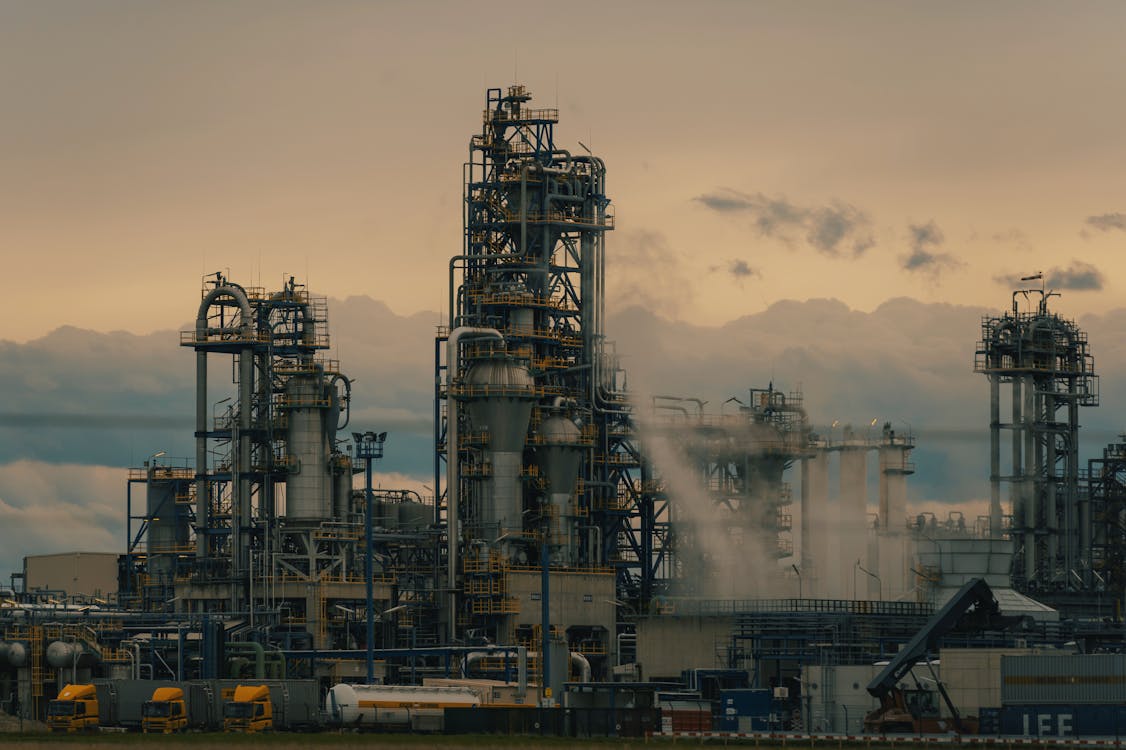
- Extended production issues: Equipment outages, most notably at Equinor’s Hammerfest LNG facility in northern Norway, have limited output, compounding the effects of market weakness.
Further amplifying pressure on earnings, Equinor recorded a $955 million write-down on a wind power project in New York State. This impairment followed regulatory uncertainty, as the project was initially halted and later resumed under shifting U.S. administrative policy.
Despite these setbacks, the company maintained its annual production growth target for 2025, expecting a 4 percent year-over-year increase as new fields such as Johan Castberg come online to offset declines and maintenance downtime. However, Equinor’s shares slipped on the Oslo Stock Exchange following the interim report, reflecting investor concern over both the sharper-than-expected profit decline and challenges in renewables investment.
In summary, Equinor’s latest quarterly results spotlight the vulnerability of oil and gas producers to market price swings and operational setbacks, while high-profile write-downs in renewables further highlight the current industry-wide tension between traditional energy output and the shift toward green investments.