
In the marble corridors of the European Commission on Wednesday night, officials were briefing ambassadors on what many had thought unthinkable only days earlier: the outlines of a face-saving trade pact with the United States that would spare Europe from President Donald Trump’s threatened 30 % “reciprocal tariff” due to hit on August 1.
On the whole its being reported that Brussels and Washington are on the verge of sealing a landmark trade deal, U.S. media outlets reported Thursday, citing senior officials on both sides.
Under the draft accord—hammered out in a flurry of videoconferences between EU Trade Commissioner Maroš Šefčovič and U.S. Commerce Secretary Howard Lutnick—most European goods would enter the American market at a flat 15 % duty, sources with direct knowledge of the negotiations tell The Atlantic Review. Crucially, that 15 % figure includes existing U.S. levies, meaning some shipments (most notably passenger cars, currently taxed at 27.5 %) would actually see a tariff cut.
Carve-outs have been negotiated for three politically sensitive sectors: commercial aircraft, spirits and medical devices would remain effectively duty-free, mirroring exemptions granted to Japan in a parallel deal struck on Tuesday. Steel and aluminium volumes above a yet-to-be-defined quota, however, could still face Trump’s maximum 50 % rate.
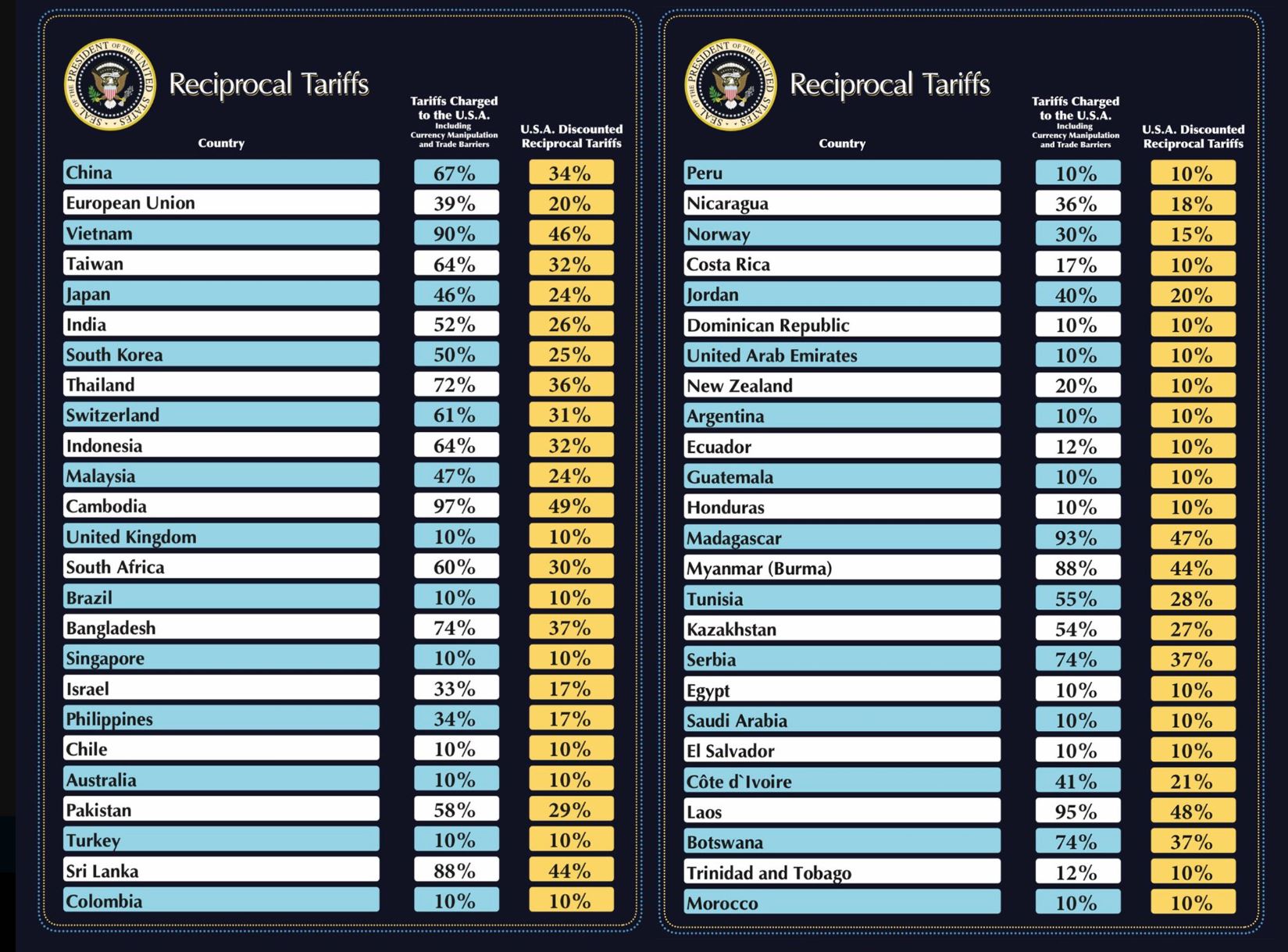
Brussels, for its part, has agreed “in principle” to the 15 % level—identical to the rate Tokyo accepted—in order to avert an immediate escalation that economists warn would shave up to 0.4 % off euro-area GDP within a year. “Most capitals are holding their noses, but they’ll take this deal,” an EU diplomat said late Wednesday, minutes after commissioners updated member-state representatives.
The détente follows four months of brinkmanship. Since April, U.S. border agents have been collecting an extra 10 % on European exports, atop the pre-existing 4.8 % average. European companies—from Bavaria’s automakers to Tuscany’s cheesemakers—have watched orders stall and inventories swell. The Commission has simultaneously readied a retaliatory package worth €93 billion ($100 billion-plus) targeting iconic U.S. brands, but leaders signalled in Berlin on Wednesday they would rather not pull the trigger. “We want the lowest possible tariffs,” French President Emmanuel Macron told reporters after dinner with German Chancellor Friedrich Merz, “but also to be respected as the partners that we are.”
American officials struck an upbeat tone. “I think we are making good progress with the EU—better than how they have done before,” Treasury Secretary Scott Bessent told Bloomberg Television. Still, negotiators caution that President Trump has yet to give final sign-off, and his public comments Wednesday hinted at a sliding scale of 15 %–50 % depending on how “difficult” he deems each trading partner.
For consumers on both sides of the Atlantic, the stakes are immediate. Absent a deal, analysts at Oxford Economics estimate the threatened 30 % tariff would lift average U.S. prices on European footwear, apparel and machinery by roughly 8 %–12 % by Christmas. Conversely, a 15 % ceiling could keep inflationary pressure contained while giving European exporters a clearer runway into the crucial holiday season.
Commission officials stress the accord is not yet inked; technical teams will work through the weekend to align legal texts. But if the calendar holds, the White House could announce the agreement as early as Sunday, ensuring the new rate lands on U.S. customs computers at 12:01 a.m. on August 1. Until then, Europe’s €93 billion retaliation plan remains on the launchpad—an insurance policy Brussels hopes never to use.