
STOCKHOLM, Sweden — In a surprising twist amid sluggish economic growth, Sweden is witnessing a notable surge in new business creation. According to recent data from Tillväxtanalys, the Swedish Agency for Growth Policy Analysis, the number of new entrepreneurs has risen steadily over the past three years, defying broader trends of low economic activity and high inflation.
This entrepreneurial upswing reflects a resilient spirit among Swedes, many of whom are turning to self-employment and startup ventures as traditional job markets remain tight and innovation ecosystems continue to mature. From tech incubators in Malmö to green energy startups in Uppsala, a new generation of founders is reshaping the nation’s economic landscape.
Yet, behind this promising facade lies a growing concern: while Swedes are eager to launch businesses, many are hitting a wall when it comes to scaling them.
“Sweden is experiencing a renaissance in entrepreneurship,” says Jimmy Mannung, press chief at Företagarna, the country’s leading association for small and medium-sized enterprises. “But once these companies move beyond the startup phase, they often find themselves stranded—unable to access the capital they need to grow.”
According to Mannung, the primary obstacle is access to credit. Banks, he argues, are far more willing to issue mortgages than business development loans. “Financial institutions are comfortable lending against real estate, but they hesitate when it comes to funding innovation, expansion, or even hiring new staff,” Mannung explains. “This is a major brake on Sweden’s potential for economic growth.”
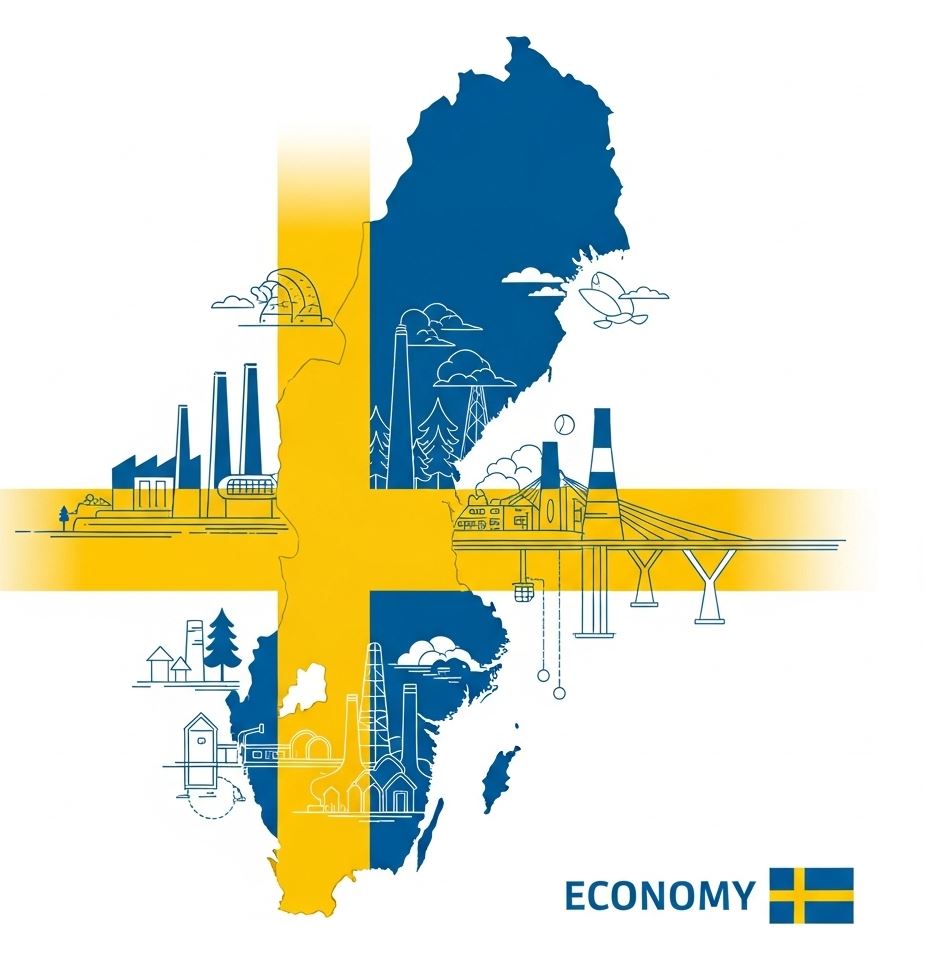
The data supports his claim. While new business registrations have climbed by 12% since 2020, the rate of company survival past the five-year mark has remained stagnant at around 45%. Moreover, growth-stage financing—such as expansion loans or working capital—has declined, particularly for SMEs outside major urban centres.
Economists point to several factors behind this credit gap. Heightened risk aversion among lenders, tighter regulatory requirements post-financial crisis, and a lack of collateral among young companies all play a role. Additionally, Sweden’s traditionally strong welfare system, while supportive of individual risk-taking, does not fully compensate for the absence of robust early-growth financing mechanisms.
“The paradox is that Sweden fosters innovation through education, digital infrastructure, and research funding, but then fails to support the commercialization phase,” says Dr. Lena Bergström, an economist at the Stockholm School of Economics. “We’re producing great ideas but not giving them the runway to take off.”
Some entrepreneurs echo this sentiment. Sofia Ek, founder of a sustainable packaging startup in Gothenburg, launched her business with personal savings and a small government grant. Two years in, she’s profitable but unable to scale production due to repeated loan rejections. “The bank said my company was ‘too young’ and ‘lacked sufficient assets,’” she says. “But every big company was young once.”
In response, Företagarna and other business groups are calling for policy reforms, including government-backed loan guarantees, tax incentives for venture lending, and expanded access to alternative financing such as crowdfunding and angel investment networks.
There are signs of movement. The Swedish government recently announced a SEK 500 million initiative to strengthen regional business advisory services and improve access to growth capital. Meanwhile, the Riksbank has signalled a willingness to explore financial instruments that support SME lending without compromising stability.
Still, experts warn that without a systemic shift in how financial institutions view entrepreneurial risk, Sweden’s startup boom may fail to translate into lasting economic transformation.
“Entrepreneurship is not just about starting a business—it’s about growing one,” says Mannung. “If we want more Swedish unicorns, we need to stop treating growth like a luxury and start funding it like a necessity.”
As Sweden navigates this pivotal moment, the world is watching. Can a nation known for innovation, equality, and resilience also become a leader in entrepreneurial finance? The answer may determine not only Sweden’s economic future—but serve as a blueprint for others striving to turn ideas into impact.