
In a world increasingly saturated with screens, a quiet cultural revolution is taking root in the Nordic countries — one that begins not with the swipe of a finger, but with the turning of a page.
Denmark, Finland, Sweden, and their Nordic neighbours are witnessing a remarkable resurgence in the borrowing of physical books, bucking global trends that lean heavily toward digital media. This renaissance is not only reshaping public libraries but reaffirming their place at the heart of civic life.
Denmark: A Nation Rekindling Its Love for Books
In 2024, Denmark recorded a 5.4% increase in the borrowing of physical books — the third consecutive year of growth. Danes checked out an impressive 23.6 million books, averaging four per citizen across all age groups. The figures signal a return to pre-pandemic borrowing levels, underscoring a renewed public appetite for the tactile pleasures of reading.
Paw Østergaard Jensen of the Danish Library Association called the trend “exceptional,” suggesting that Denmark is charting a rare course amid a continent-wide decline in physical book borrowing.
Julia Lahme, a trend researcher, likens this revival to the resurgence of traditional crafts. “Reading offers a luxurious escape — a way to reclaim mental space in an overstimulated world,” she explains.
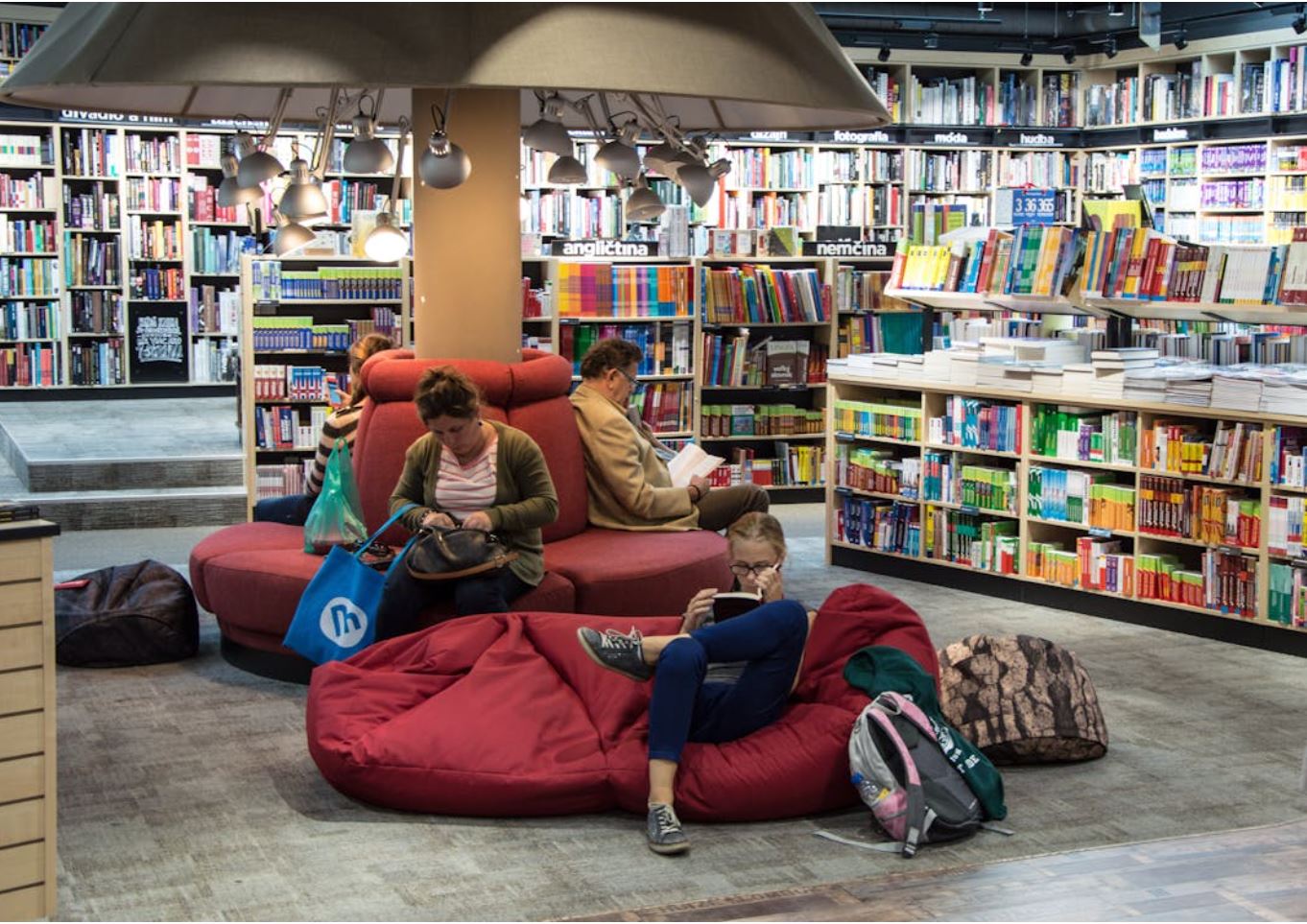
Pernille Schaltz, head of libraries in Herning, agrees. “Libraries have become more than just places to borrow books — they are modern living rooms offering calm, community, and connection,” she says. Last year, Denmark’s public libraries welcomed over 32.5 million visits, a 4.5% rise that further cements the link between physical presence and book engagement.
Finland: The Gold Standard in Library Culture
If Denmark is rising, Finland is flourishing. Boasting the highest library usage per capita in the world, Finnish citizens borrowed an average of 15 items per person in 2024. Children and young adults alone accounted for 38 million borrowed materials, painting a picture of a nation raising its youth on stories, not screens.
Helsinki’s Oodi Library — with its maker spaces, music studios, and civic meeting rooms — exemplifies the reimagined Nordic library. Finnish libraries serve not just as book lenders, but as cultural hubs, integrating seamlessly into daily life. Backed by robust public funding — approximately €60 per capita — the system remains a global benchmark for accessibility and innovation.
Sweden and Norway: Strength in Cultural Continuity
Sweden maintains a strong reading culture, with 51% of citizens engaging with books daily and 38% preferring physical formats. While precise borrowing statistics are less readily available, trends indicate steady engagement. The rise of social reading — through book clubs and municipal literary events — reflects libraries’ evolving roles as facilitators of community discourse.
Norway, though slightly behind in borrowing rates, maintains a robust interest in printed books, particularly among younger demographics. Library spending hovers around €42 per capita, with potential for increased investment to match the ambition seen in neighbouring nations.
Iceland: Quiet Engagement, Deep Roots
Though lacking comprehensive national data, Iceland’s smaller, decentralized library system still holds cultural significance. Anecdotal evidence points to steady use, with libraries remaining valued community assets, even if less visible on the international stage.
The Nordic Model: Lessons in Cultural Resilience
What sets the Nordic nations apart in this resurgence of physical reading?
- Public Investment & Policy: Consistent government support ensures libraries are well-funded, accessible, and future-oriented.
- Libraries as Cultural Anchors: Modern Nordic libraries are designed as multi-purpose spaces — equal parts sanctuary, classroom, and community hub.
- A Rejection of Digital Overload: Citizens are increasingly seeking screen-free zones where they can immerse themselves deeply in stories.
- Educational Integration: Programs like Denmark’s recent 25 million kroner initiative to link schools and libraries exemplify how policy can foster early, lifelong reading habits.
A Global Blueprint?
As other countries shutter libraries or shift entirely to digital formats, the Nordic example presents an alternative — one where tradition and innovation coexist. In Denmark, Minister of Culture Jakob Engel-Schmidt underscores the timeless relevance of the library: “The act of walking into a library and talking to a librarian isn’t going out of style. It’s being reaffirmed as essential.”
In the heart of the North, where winters are long and culture runs deep, a quiet revolution is unfolding — not with noise, but with the rustle of pages. The Nordic nations are proving that even in an age of digital dominance, the physical book — and the public space that supports it — still holds the power to unite, educate, and inspire.