
STOCKHOLM – Sweden is in the grip of its sharpest seasonal spike in Campylobacter infections in at least five years, with weekly laboratory-confirmed cases leaping from around 30 in early June to more than 200 last week. The acceleration—tracked by the Public Health Agency of Sweden (Folkhälsomyndigheten)—mirrors the normal mid-summer pattern seen across the Nordics, but is occurring earlier and faster than in 2024.
Rikard Dryselius, infectious-disease investigator at the agency, told Nordic Business Journal that the curve usually peaks in August before tapering off in September. “This year the climb started already in week 25 and has been steeper than expected,” he said. “We may reach the annual maximum before midsummer holidays are over.”
From Broiler Sheds to Balance Sheets
Chicken remains the dominant vector: roughly 60 % of Swedish human cases are attributed to undercooked or cross-contaminated poultry meat. The warm, humid June has increased bacterial load in live birds, while higher fly activity has amplified flock-to-flock transmission, according to the National Veterinary Institute (SVA).
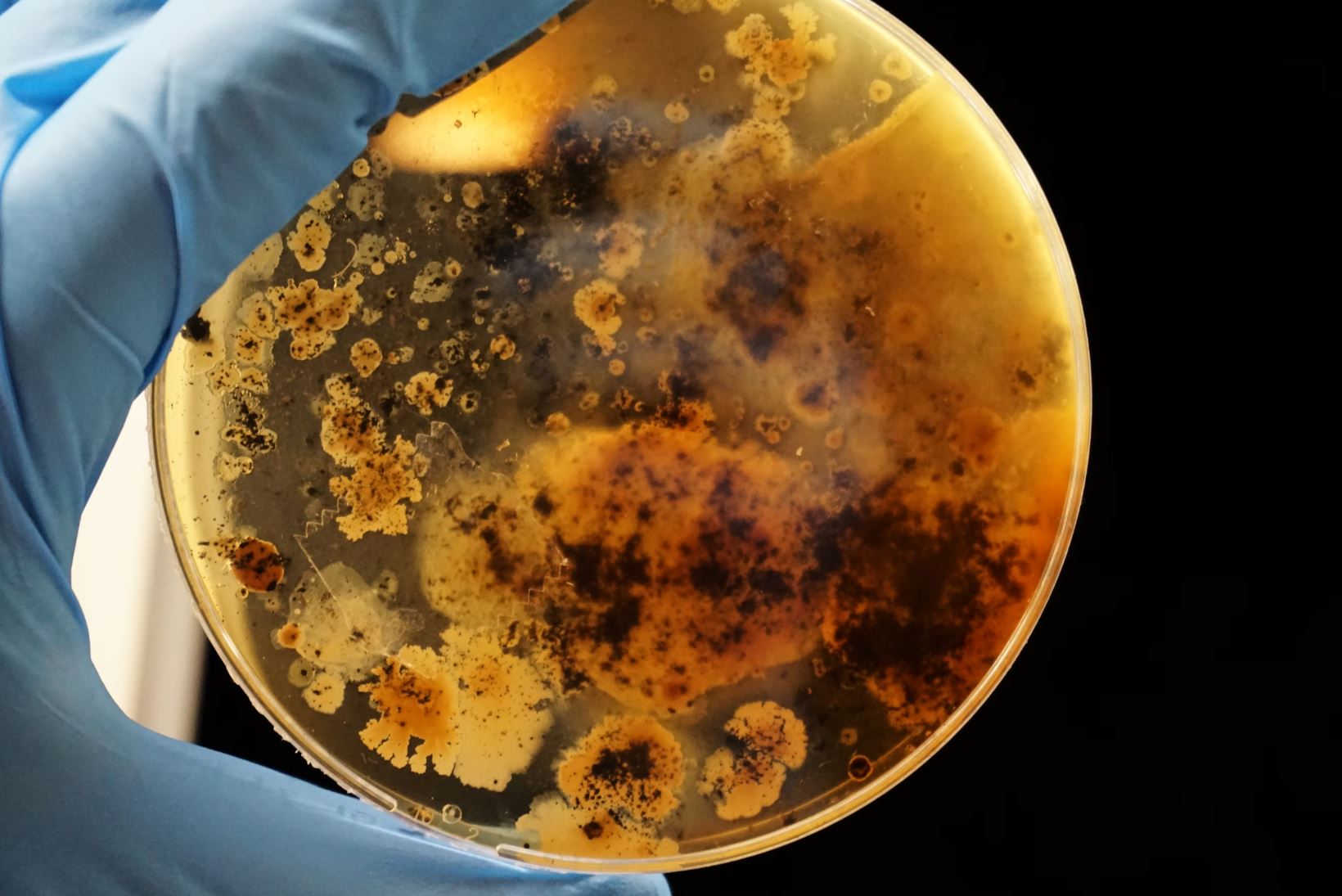
For the integrated poultry majors—Scandi Standard, Kronfågel and Lantmännen—the surge triggers immediate cost pressures:
- Extra testing programmes add SEK 2–3 million per month per slaughterhouse.
- Heat-treatment retrofits on processing lines absorb another SEK 7–10 million capex this quarter.
- Discount-driven recalls of fresh chicken skewers and mince are already visible at ICA, Coop and Axfood, shaving 2–3 % off Q3 poultry revenue, according to grocery-sector sources.
“Retailers are quietly shifting shelf space to imported cooked product from Denmark and the Netherlands,” said a Stockholm-based category manager. “Domestic fresh chicken volumes could fall 8–10 % in July-August if consumer confidence dips further.”
Climate Link Adds Long-Term Headline Risk
A 2020 study in Nature estimated that a 1 °C rise in weekly average temperature drives a 5 % increase in Swedish Campylobacter incidence. With the Nordic Council projecting 1.5–2 °C warming by 2040, analysts at Nordea see potential for an additional SEK 120–150 million in annual health-care and productivity losses across Sweden, Denmark, Norway and Finland.
Food-safety regulators are responding. The Swedish Food Agency (Livsmedelsverket) has extended its summer sampling blitz to 1,200 broiler carcasses per week—double the normal volume—and is auditing outdoor grazing sites for cross-contamination by wild birds.
Consumer Advice: Heat, Separate, Wash
Authorities emphasise that risk is manageable with basic kitchen hygiene:
- Cook poultry to 70 °C at the core.
- Use separate chopping boards for raw and cooked foods.
- Wash hands, knives and surfaces after handling raw chicken.
The Public Health Agency expects case numbers to “plateau or fall sharply once temperatures drop in late August,” Dryselius said. Until then, the poultry industry—and household budgets—will be watching the weekly surveillance bulletin as closely as the weather forecast.