
Oslo—For a country that has championed Palestinian statehood, Norway now faces the uncomfortable possibility that its own sovereign wealth chest has grown fatter on the very conflict it publicly deplores.
According to documents seen by Aftenposten and independently confirmed by this magazine, Norway’s Government Pension Fund Global—better known as the oil fund—has held a direct stake in Bet Shemesh Engines Holdings (BSEL:TA) since the second quarter of 2023 and added to that position in 2024.
The timing could hardly be more incendiary. Between 7 October 2023 and 1 July 2025, Bet Shemesh’s share price surged 530 percent, coinciding with Israel’s sustained military campaign in Gaza and soaring demand for spare parts for F-16I “Sufa” fighters and Apache attack helicopters. Bet Shemesh’s Ramla plant lists both aircraft among its core maintenance contracts.
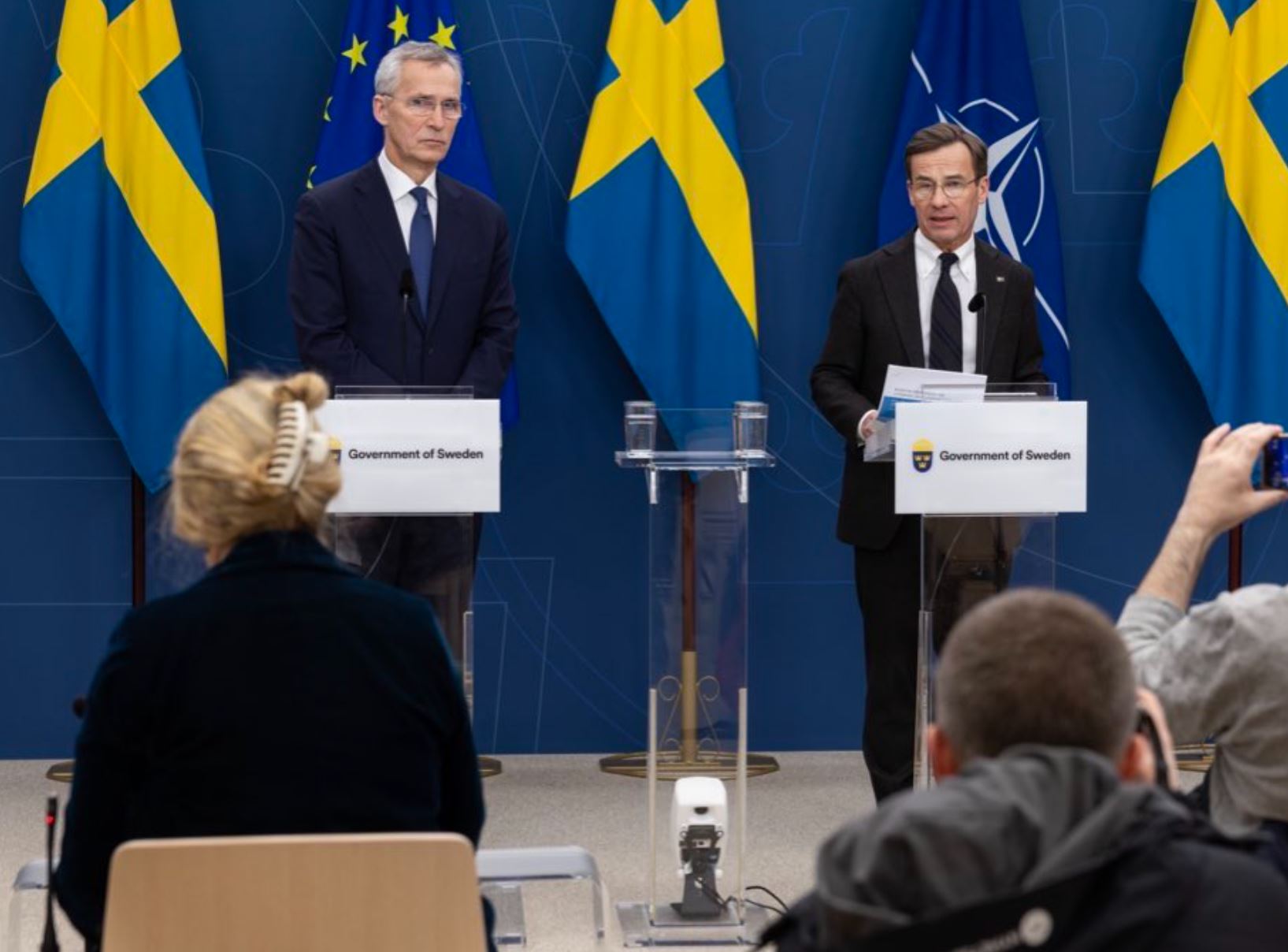
A tale of two Norway’s
While Prime Minister Jonas Gahr Støre’s government was among the first in Europe to formally recognise a Palestinian state in May 2024, the fund’s ethics watchdog—Norges Bank’s Council on Ethics—had yet to place Bet Shemesh on its exclusion list. The result: Norway’s 5.4 million citizens may have unwittingly pocketed what analysts estimate at NOK 120–150 million ($11–14 million) in capital gains from a company whose fortunes are tied to wartime sorties.
“We have asked the Council to reassess all current holdings in Israeli defence-related firms and to propose concrete measures by 1 October,” Marthe Scharning Lund, State Secretary at the Ministry of Finance, told this magazine. The Council confirmed receipt of the request but declined further comment.
The mechanics of a windfall
Bet Shemesh Engines, spun off from Israel Aircraft Industries in 2015, overhauls jet turbines and manufactures high-pressure compressor blades used in both military and civilian engines. Roughly 62 percent of its 2024 revenues derived from Israeli Ministry of Defence contracts, up from 38 percent in 2022, regulatory filings show.
Norges Bank Investment Management (NBIM), which manages the oil fund, held 1.3 million shares as of 31 March 2025, worth NOK 260 million at current prices. Trades recorded in NBIM’s quarterly reports reveal the fund doubled its position between January and September 2024—months marked by intense Israeli air operations in Gaza.
Ethics vs. returns
The Norwegian parliament laid down strict ethical guidelines for the fund in 2004, barring investments in companies that “contribute to serious violations of humanitarian law” or produce “key components for weapons that through normal use may violate fundamental humanitarian principles.”
Yet Bet Shemesh is classified as a Tier-2 supplier—meaning it produces parts rather than complete weapons systems. That technical distinction has so far shielded it from exclusion. Critics say the loophole is overdue for tightening.
“Weapons components are still weapons,” argues Line Khateeb, director of the Norwegian Centre for Humanitarian Studies. “If your compressor blade ends up in an F-16 dropping a 2,000-pound bomb on a refugee camp, the ethical chain is unbroken.”
Political tremours
Opposition lawmakers are demanding an extraordinary session of the Finance Committee when parliament reconvenes in September. “We cannot preach human rights at breakfast and profit from bombardment by dinner,” said Sofie Marhaug, finance spokesperson for the Red Party.
Meanwhile, the Israeli embassy in Oslo declined to comment on Bet Shemesh specifically but noted “robust oversight mechanisms exist within Israel’s defence procurement.”
What happens next
The Ethics Council has three options: maintain the holding, place Bet Shemesh under observation, or recommend divestment. NBIM has in the past sold stakes in 186 companies for ethical reasons, including Airbus (cluster munitions risk) and Walmart (labour-rights breaches).
For now, the oil fund’s Bet Shemesh position remains on the books—an awkward reminder that in global finance, moral clarity and market returns seldom move in tandem.
As one veteran Oslo fund manager put it: “The question isn’t whether Norway made money from Gaza. It’s whether Norwegians can live with the receipt.”