
Sudan is in the grip of a public health emergency. The World Health Organization reports that nearly 100,000 cases of cholera have been recorded across the country since July last year. The outbreak shows no sign of slowing, and health officials warn that the civil war and worsening famine will fuel the spread of the disease in the months ahead.
Cholera, which spreads through contaminated water and food, is especially dangerous in regions where infrastructure has collapsed. In many parts of Sudan, ongoing fighting has destroyed sanitation systems, restricted access to clean water, and left medical facilities in ruins. Aid convoys face constant risk on the roads, making treatment and prevention efforts painfully slow.
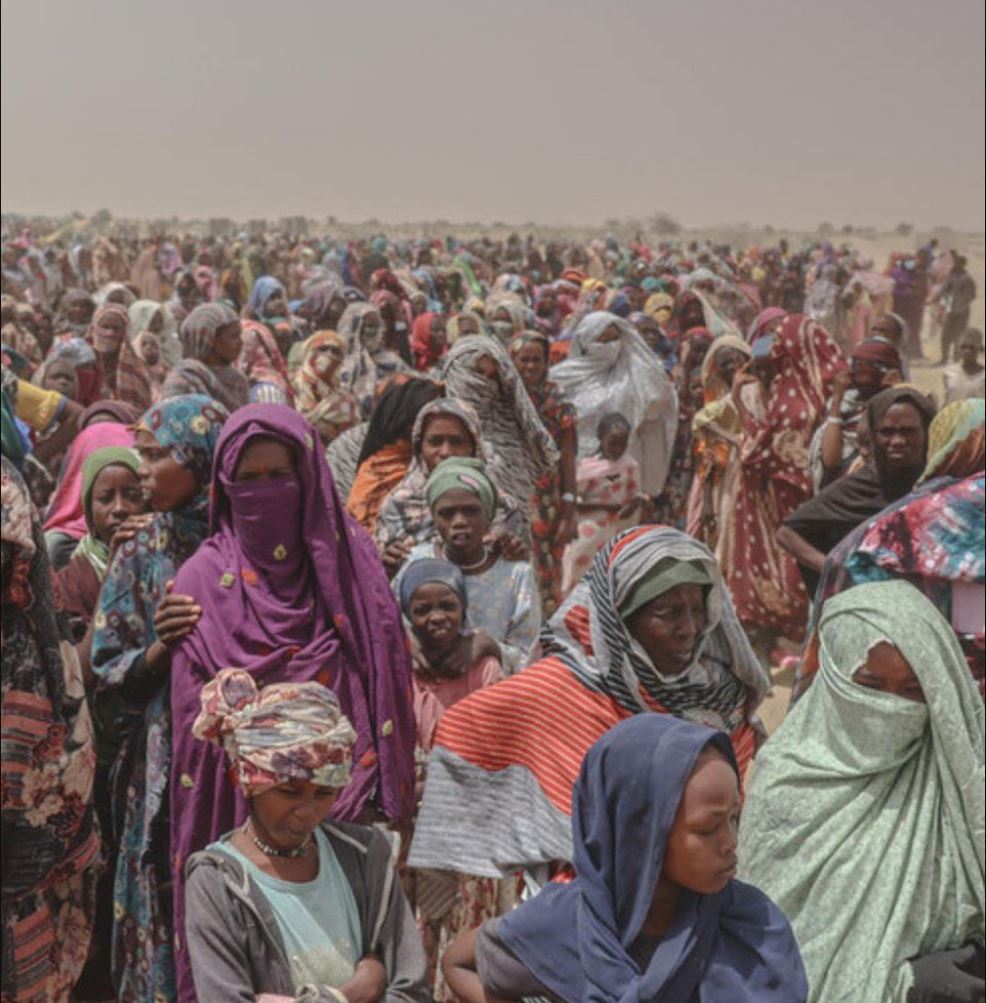
The health crisis is not limited to cholera. WHO estimates that around 770,000 children under the age of five are expected to suffer from severe acute malnutrition this year. In conflict-affected areas such as Darfur, humanitarian workers describe scenes of desperation—families going days without food, hospitals turning away patients for lack of supplies, and cemeteries expanding at a grim pace.
Fighting between the Sudanese Armed Forces and the Rapid Support Forces has displaced millions, forcing them into makeshift camps with limited shelter, little food, and no reliable clean water. In these conditions, both disease and hunger spread rapidly, creating a feedback loop of illness and malnutrition that humanitarian agencies struggle to break.
International relief organizations have called for immediate ceasefires in key regions to allow safe passage for food, medical supplies, and vaccination campaigns. But without sustained access and security, experts warn that Sudan could face one of the deadliest combined cholera and hunger crises in recent history.
Bottom line: Sudan’s health emergency is not just a statistic. It’s the story of a nation caught between war, hunger, and disease—and without decisive global action, the toll will keep climbing.