
Norway has launched new control measures targeting foreign oil tankers in its exclusive economic zone, aiming to clamp down on Russia’s so-called shadow fleet—a largely unregulated group of vessels used to sidestep international sanctions. Starting August 11, Norwegian authorities require these tankers to provide transparent insurance details, joining similar efforts by Sweden, Finland, Denmark, Germany, Estonia, and the UK in response to rising risks from shadow fleet
The shadow fleet refers to a network of older, poorly regulated tankers often employing opaque ownership structures and flags of convenience to evade sanctions and operate outside standard maritime law. These ships usually lack reliable insurance from Western firms and pose environmental and safety hazards due to their age and risky operational practices.
Norway’s Coastal Administration and Maritime Directorate will request voluntary disclosure of insurance documentation from foreign tankers traversing Norwegian waters. These checks will initially run as a six-month trial, after which the program’s effectiveness will be reviewed together with maritime industry stakeholders. Enforcement action, if any tanker fails to comply or is found to have questionable insurance, has not been formally specified yet, but the measure is expected to serve as a deterrent.
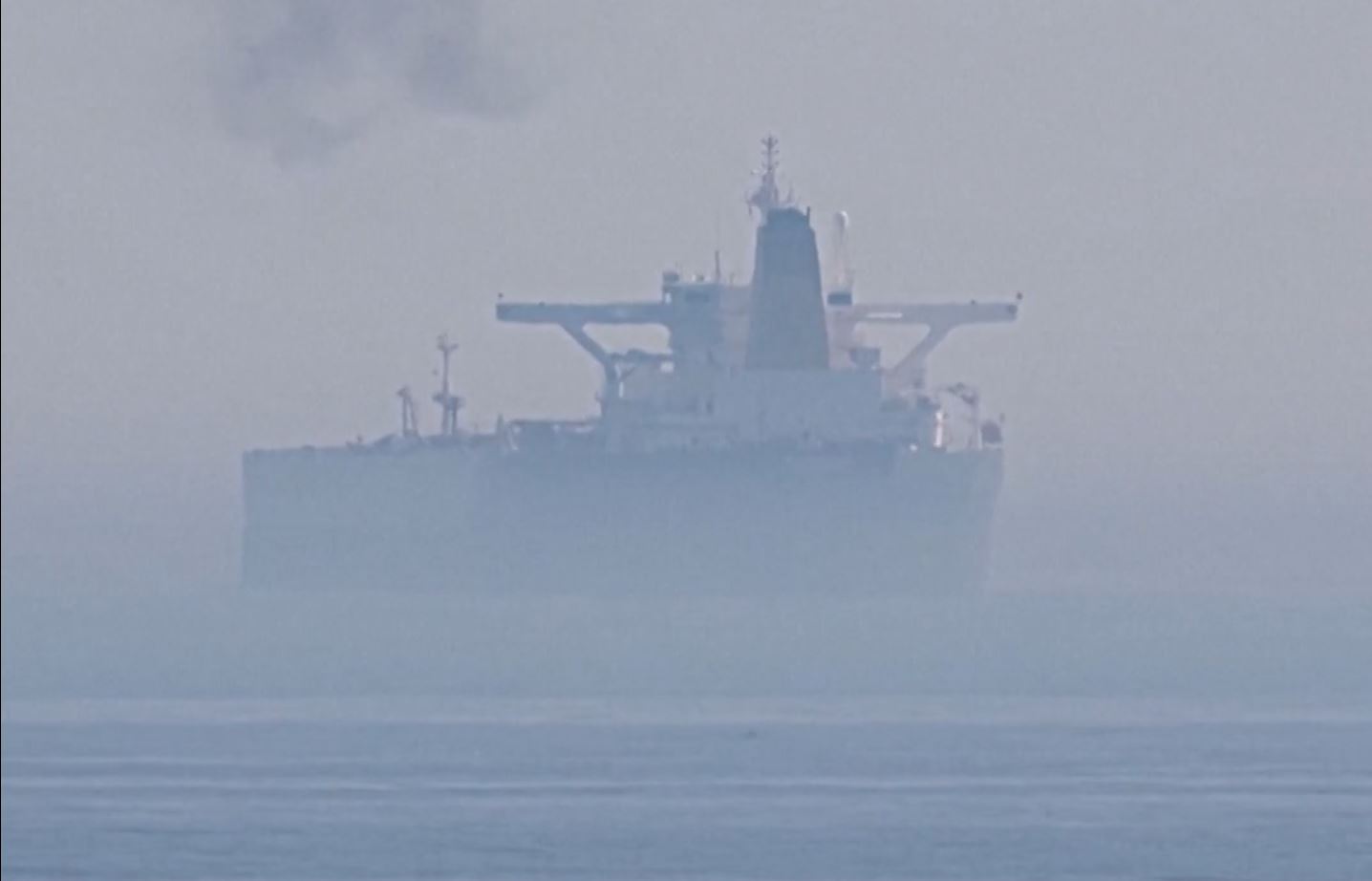
Neighbouring countries already require foreign tankers to furnish insurance details not just at port calls but also when passing through territorial waters or economic zones. Recent EU sanctions have added hundreds more vessels—including shadow tankers—to port access bans, and now 444 ships are on the EU’s official list of sanctioned vessels. Estonia and Germany have detained vessels with dubious insurance or documentation. This week, Norwegian authorities highlighted suspicious tanker patterns just off their Arctic coast, including ships like the Lena River, which reportedly loitered in the Barents Sea for extended periods without port calls or legitimate manifest explanations.
Leading Nordic governments—in a joint June 2025 statement—agreed to intensify coordinated action against the Russian shadow fleet, emphasizing stricter legal standards for stateless and falsely flagged vessels and warning that environmental and security risks from shadow fleet traffic could escalate globally.
The push for enhanced insurance checks and broader maritime oversight reflects mounting environmental, operational, and security concerns, but it is also part of a wider effort by the West to restrict Russia’s capacity to generate oil revenue for its war economy in Ukraine. Brokers report that as of mid-2025, over 1,100 tankers are now considered shadow vessels—about 18% of global tanker tonnage operates in semi-darkness and up to one ship a day ceases position reporting to avoid detection, according to recent industry estimates.
Norway’s move, part of a pan-European clampdown, is likely to make it increasingly difficult for Russian oil exports to evade sanctions and insurance controls as allied governments signpost further legal actions and cross-border cooperation in maritime monitoring.