
Sweden is on the verge of its first nuclear power plant construction in over 40 years, marking a pivotal shift in the country’s energy policy amid increasing climate concerns and geopolitical challenges. The government has set ambitious targets to expand nuclear capacity by at least 2.5 GW (equivalent to two large reactors) by 2035, aiming for a total of 10 new reactors, including small modular reactors, by 2045 to secure a reliable, fossil-free electricity supply.
Financial Roadblocks:
The estimated cost for building these new reactors is immense, with projections indicating that the state could face expenses exceeding SEK 300 billion (approximately $28.5 billion) merely for 5 GW installed capacity. This expenditure could represent about 2.5% of Sweden’s gross national product. Accounting for potential cost overruns of up to 50%, the financial burden might escalate to SEK 450 billion. Such high capital requirements stem partly from Sweden’s long hiatus—no nuclear reactors have been constructed since 1985—which results in a lack of recent domestic experience, and the need to rebuild supply chains and supportive infrastructure that have atrophied over decades.
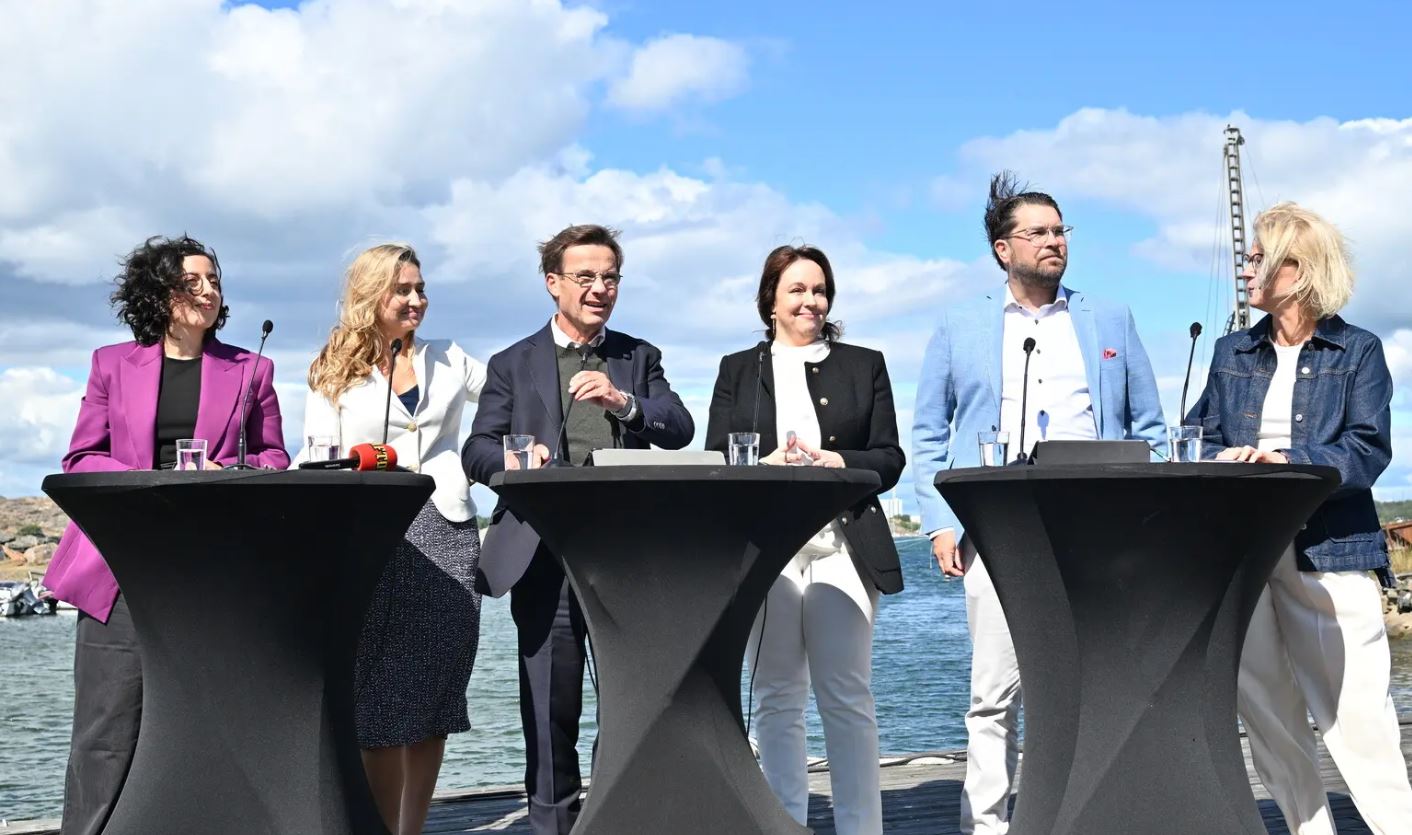
To address financing risks, the government has introduced a multifaceted support model that includes state loans, Contracts for Difference (CfDs) to stabilize electricity price revenue for investors, and mechanisms ensuring minimum returns to commercial investors. The CfDs would provide financial coverage when electricity market prices fall below a preset strike price, with costs offset by a consumer electricity tax. These financing structures intend to balance risk while encouraging private investment in nuclear expansion, with the state taking on significant risk to lower capital costs. The new Act on state aid for nuclear investments took effect on August 1, 2025, allowing companies to apply for these supports.
Political Landscape and Regulatory Risks:
Nuclear power has been a politically charged topic in Sweden for over 40 years, complicating investment climates and shrinking the nuclear-related industrial and academic infrastructure to minimal levels. The recent government coalition, which favours nuclear energy, enjoys a parliamentary majority, increasing the likelihood of sustained political backing for the new-build program. Yet, regulatory and political risks remain substantial. Legal reforms and clear, stable regulatory frameworks are essential to facilitate construction approvals and assure investors of long-term policy stability.
The government is working to clarify roles and mandates for energy-related authorities to streamline decision-making and regulatory oversight. Timely completion of ongoing investigations and legislative changes is critical to reduce uncertainty and open the door for permit applications in the near future. The nuclear coordinator emphasizes the importance of such reforms for ensuring a conducive environment for nuclear investments.
Outlook:
Sweden aims to have the first new reactors operational by 2030-2035. Initially, high costs and risks are expected, given the need to relearn nuclear construction and scale efficiencies. However, as more reactors are built, cost and risk profiles are projected to improve, reducing the need for state support over time. The expansion of nuclear energy is seen as vital not just for meeting climate goals but also for stabilizing electricity prices and securing energy supply in an increasingly electrified economy.