
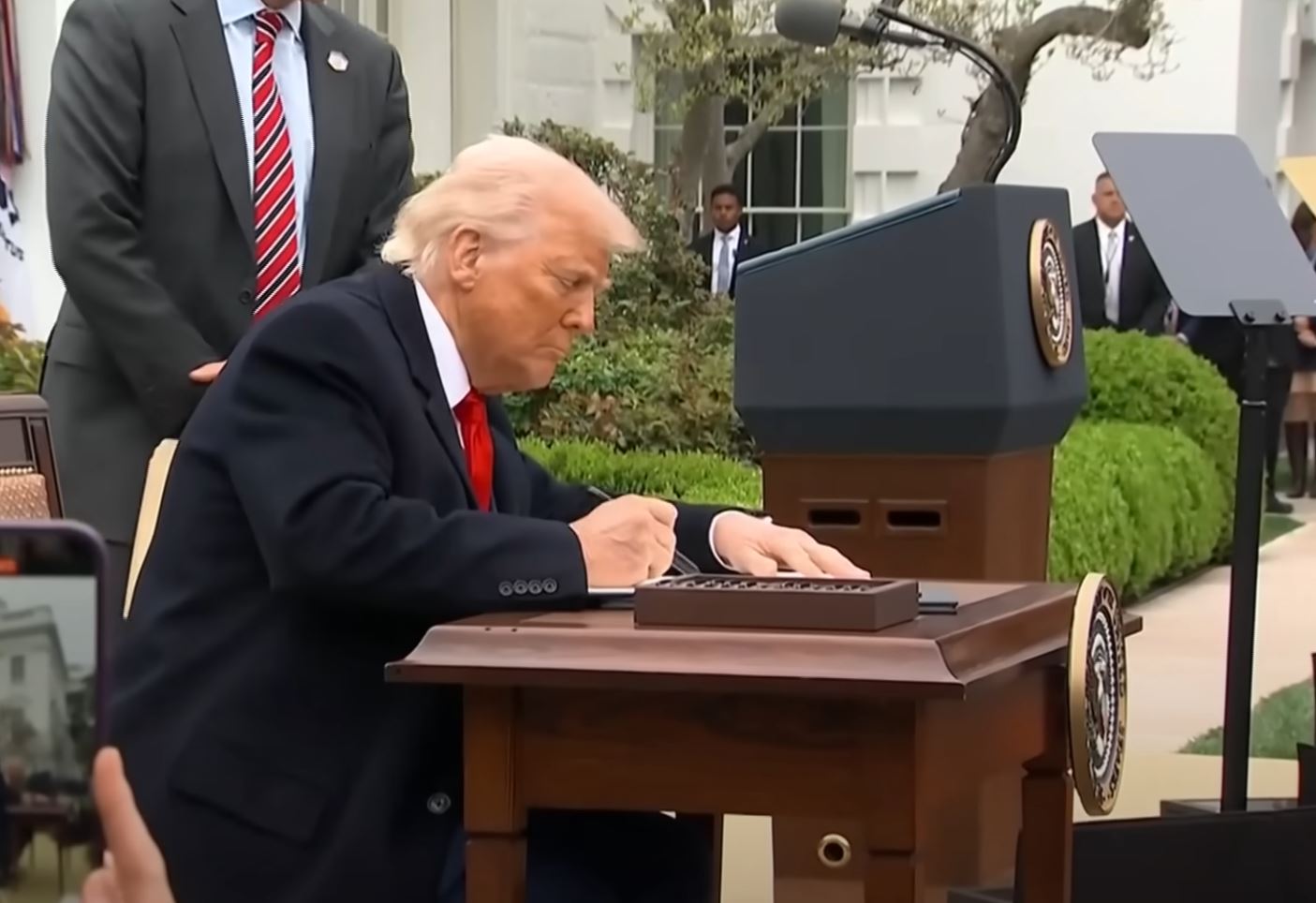
Donald Trump has backed away from his threat to slap tariffs as high as 250% on European pharmaceuticals. Instead, the US and EU struck a deal that caps duties at 15%. For Nordic drugmakers, that shift is the difference between existential disruption and manageable friction.
Why this matters
The Nordic pharmaceutical sector is deeply tied to the US market. Sweden sends about 16% of its drug exports there. Denmark anchors giants like Novo Nordisk, whose insulin and obesity treatments dominate US sales. A 250% tariff would have priced many Nordic drugs out of the American market, upended global supply chains, and forced costly restructuring.
Denmark’s mixed exposure
Denmark faced less direct tariff risk than Sweden because much of the sector’s intellectual property and value creation sit outside customs duties. The IMF had already noted this cushion. Still, uncertainty over trade terms threatened investment decisions and product rollouts. A 15% cap restores some predictability, which is vital for a research-heavy industry.
The real costs of 15%
While the tariff is far lighter than feared, it is not trivial. Companies with heavy US exposure will feel margin pressure. Competitive dynamics matter here: European firms selling into the US now face a structural cost disadvantage compared to American rivals. For Nordic exporters, the challenge is whether they absorb that cost, pass it on to US consumers, or adjust supply chains to mitigate it.
Supply chains stay intact—for now
Perhaps the biggest relief is what didn’t happen. A 250% tariff would have broken supply chains that stretch across borders, from R&D labs in Copenhagen to production sites elsewhere in Europe. By capping tariffs, Washington has avoided triggering immediate shortages or dramatic price hikes for US patients relying on Nordic drugs.
Why is trump backing down?
Trump decided to lower or withdraw the previous threat of extremely high tariffs on EU pharmaceuticals, including Nordic companies, primarily due to the following reasons:
- A major factor was the desire to protect public opinion at home in the U.S., as high tariffs on medicines, especially generic drugs, risked being unpopular among American consumers who depend on affordable pharmaceuticals.
- The U.S.-EU tariff deal, finalized after months of intense negotiations, created a framework agreement capping tariffs on pharmaceuticals and semiconductors at 15%, which is much lower than the initially threatened up to 250% tariffs. This was described as a “first step in a process” aimed at stabilizing and normalizing trade relations.
- Trump repeatedly indicated that one key reason for threatening tariffs was to incentivize pharmaceutical companies to relocate or increase manufacturing within the U.S. to boost domestic production. The tariffs were intended to make importing drugs more costly to encourage domestic investments and supply chains.
- The tariff agreement came alongside the EU’s reciprocal commitment to eliminate tariffs on U.S. industrial goods, enabling broader trade and investment benefits, which helped incentivize Trump to agree to the lower tariff rates as part of the larger bilateral trade arrangement.
- Economic and political factors also influenced the decision—keeping tariffs at a manageable level allows maintaining trade relations without sparking a full trade war, which could destabilize markets and harm both the U.S. and European economies, including key sectors like pharmaceuticals that have complex global supply chains.
Bottom line
This deal buys time and stability. Nordic pharma firms no longer face the catastrophic scenario of being priced out of their most important export market. But 15% tariffs still bite, especially over time, and trade policy remains unpredictable under Trump. For now, Nordic drugmakers can focus on growth and innovation with less fear of sudden disruption—though they’ll be watching closely for the next shift in Washington’s stance.