
By Nordic Business Journal Staff
A New Dawn in the North Sea
In a momentous breakthrough for Norway’s energy sector, a recent oil discovery in the North Sea has brought the nation’s fossil fuel industry back into the spotlight. The discovery, made by Equinor and its partners, is estimated to contain up to 500 million barrels of recoverable oil, making it one of the most significant finds in the region in recent years. While the implications for Norway’s economy are overwhelmingly positive, the discovery also raises questions about the country’s commitment to reducing its reliance on fossil fuels in the fight against climate change.
A Windfall for the Norwegian Economy
The economic benefits of this oil find cannot be overstated. For a country that has long relied on oil and gas to fund its social welfare programs, the discovery represents a significant boost to its national wealth. Norway has already established itself as a key player in Europe’s energy market, and this new find ensures that the country will remain an essential supplier of crude oil for years to come.
With projections indicating that the new reserves could be producing in the next 5 to 10 years, the economic impact will be felt immediately, with a projected increase in job creation, investments in infrastructure, and greater fiscal stability for the government. The new oil fields could extend the lifespan of Norway’s oil production, which has been on the decline in recent years as the country moves toward reducing emissions. Given that Norway has already invested heavily in carbon capture and storage technologies, this new find is seen as a crucial factor in ensuring the country’s continued leadership in the energy sector while staying economically strong.
For Equinor and its partners, this discovery offers an opportunity to consolidate their position as leaders in offshore drilling. The company, which has already been successful in tapping the potential of Norway’s existing oil fields, is now poised to continue its exploration activities in the North Sea, ensuring continued profitability in an otherwise unpredictable global market.
Hypocrisy in the Green Transition?
But as the economic excitement over the oil discovery grows, so does a sense of unease. Norway has long touted itself as a leader in sustainable energy. The country has ambitious plans to reduce its carbon footprint, with the Norwegian government aiming to reach net-zero emissions by 2050. However, these climate-friendly goals seem at odds with a large-scale oil find that will undoubtedly prolong the country’s reliance on fossil fuels.
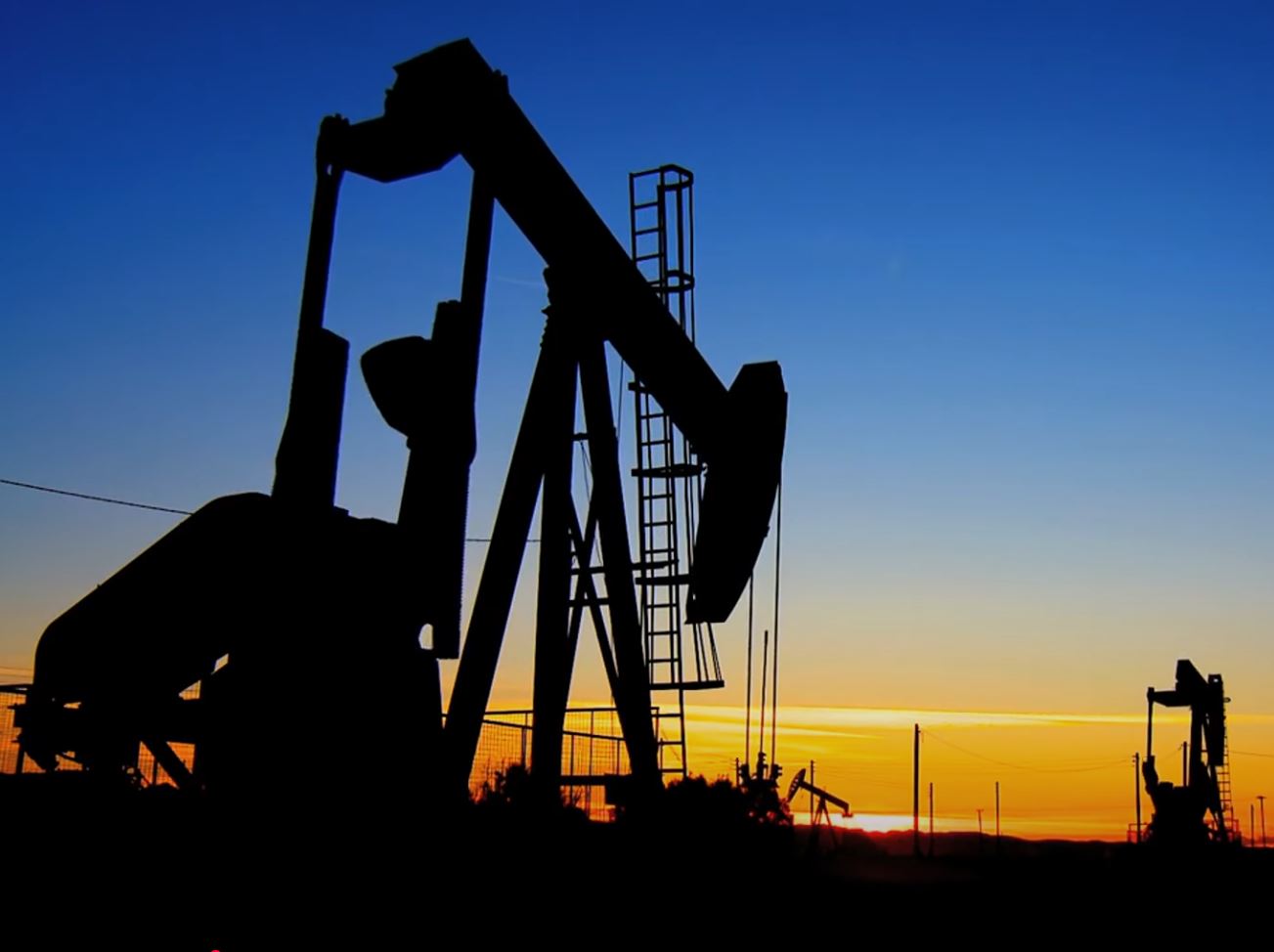
Norway’s oil wealth has been a key component of its renowned welfare state, funding everything from universal healthcare to generous pension systems. But with the growing global consensus around the need to transition away from fossil fuels, many are questioning whether Norway can continue to be both a leader in green energy and an exporter of oil.
“There’s a clear contradiction,” says Dr. Lars Jensen, an energy economist based in Oslo. “Norway is positioning itself as a climate champion while also continuing to extract and export oil at a time when the world is trying to reduce its dependence on fossil fuels. The question is whether the country can reconcile its economic interests with its environmental obligations.”
Norway’s government has committed to carbon neutrality by 2050, but it is also one of the world’s largest exporters of oil and gas. Its dual approach—investing in renewable energy and simultaneously exploring new oil fields—has raised concerns among environmentalists and activists who feel the country is not fully aligning its economic ambitions with its climate commitments.
“The government says it’s working toward a greener future, yet they continue to fuel the global oil market,” says Ingrid Nilsen, a climate activist in Bergen. “The hypocrisy is glaring. If Norway is serious about its climate goals, it needs to start showing real leadership by limiting further exploration and focusing solely on renewable sources of energy.”
Striking a Delicate Balance
Norway’s energy paradox highlights the tension between short-term economic interests and long-term environmental goals. The country’s massive sovereign wealth fund, largely built on oil revenues, has been earmarked for investments in green technologies, including wind power and carbon capture. In recent years, Norway has also emerged as a leader in offshore wind development, positioning itself to be a significant player in the renewable energy sector. However, the continued investment in oil extraction could undermine the country’s credibility on the global stage when it comes to meeting climate targets.
Furthermore, the European Union’s Green Deal, alongside growing global calls for fossil fuel divestment, is putting increasing pressure on oil-producing nations like Norway to choose a more sustainable path. The new oil discovery in the North Sea may serve as a temporary economic lifeline, but it could also delay the much-needed transition toward a carbon-neutral future.
While some argue that Norway should continue exploiting its oil reserves for economic stability, others believe that the country’s resources would be better spent driving innovation in clean energy solutions. “If Norway truly wants to maintain its green image, it should take the bold step of transitioning away from fossil fuel extraction and instead lead by example,” says Nilsen. “That would be the real leadership the world needs.”
The Road Ahead
In the end, Norway faces a delicate balancing act. The economic benefits from this oil find are significant, but so too is the pressure to lead in the green transition. For now, the country seems poised to maintain its role as both a major oil exporter and a proponent of clean energy. But the coming years will likely see more intense debates about how Norway can continue to reconcile these competing priorities.
As the world moves toward a more sustainable future, Norway’s oil discovery in the North Sea stands as a reminder of the challenges countries face when trying to balance economic prosperity with environmental responsibility. Whether the nation can truly pivot toward a greener future without sacrificing its oil wealth will depend on the political will and long-term vision of its leaders. For now, the discovery remains a clear win for Norway’s economy, but the future of its energy strategy may prove to be far more complicated.