
A Late-Summer Defection
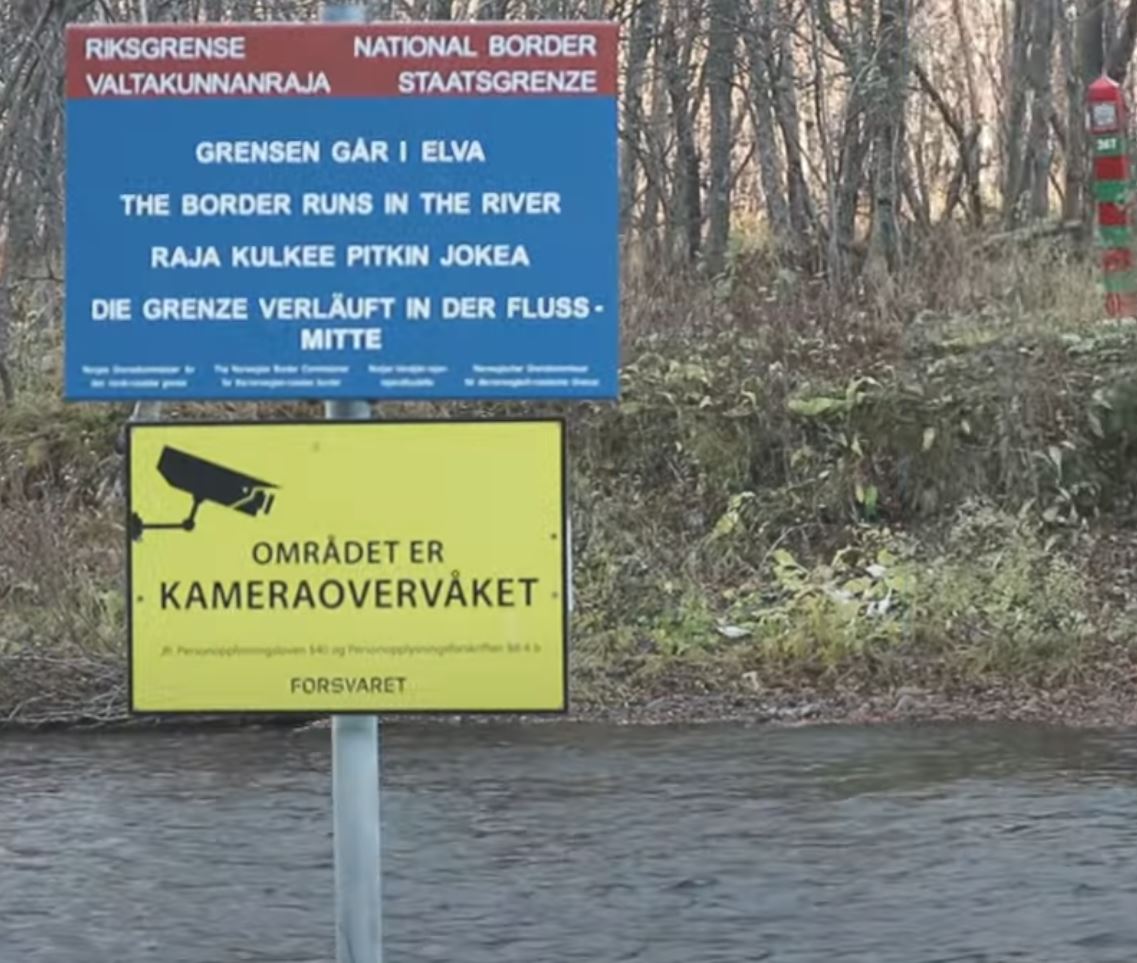
On the morning of Friday, August 22, a Russian soldier—believed to have served in Ukraine—illegally crossed into Norway near Grense Jakobselv in Finnmark. He was promptly taken into custody after border patrol alerted local police and deployed drones to locate him.
His attorney, Trond Biti, describes him as a conscientious objector, someone who decided he no longer wanted to take part in Russia’s war effort. The man has formally applied for asylum. His case will now be processed by the state police unit responsible for immigration and asylum matters.
Norwegian domestic security agency PST has been informed; authorities frame this incident as “routine,” while still acknowledging potential risks—such as espionage—that accompany a military defector.
Not a One-Off: History Repeats
This recent crossing isn’t unprecedented. Since Russia’s invasion of Ukraine, there’ve been several dramatic crossings:
- January 2023: A Wagner Group mercenary—Andrey Medvedev—made a perilous crossing across the frozen Pasvik River. He claimed to have witnessed war crimes and sought asylum.
- Autumn 2023: Medvedev tried to return to Russia via Grense Jakobselv but was detained again.
- 2022: A man was detained after crossing near Korpfjell, marking the first illegal crossing since 2015. It showed just how rare and unusual these breaches remain.
These cases speak to both the physical dangers of unsanctioned border crossings and the powerful personal convictions driving them.
Why It Matters
- Anomalous Breaches: Illegal border crossings from Russia into Norway are rare. The landscape is remote, temperature extremes are dangerous, and surveillance is tight.
- Diverging Motivations: Some see asylum as a last resort—Medvedev fled Wagner Group brutality. Others, like the latest soldier, appear driven by conscientious objection and moral conflict.
- Policy Implications: The Norwegian government monitors such incidents closely. Discussions continue over whether to extend physical barriers or tech-enhanced surveillance along the 198 km border.
- Security or Solidarity?: PST’s involvement underscores that such defections can be security issues. Still, Norway must uphold the right to seek asylum.
The Bottom Line
A Russian soldier crossed into Norway at Grense Jakobselv last Friday, seeking asylum. It’s a story of personal conviction intersecting with international law, and a rare reminder of how the Norway–Russia border, while stable, can still serve as a boundary for conscience.
This isn’t the first such crossing, but each one draws attention—not just for security, but for what they reveal about the war’s human fallout.
Let me know if you’d like a deep dive into Norway’s asylum process, border patrol protocols, or how these crossings shift regional policy.