
In a bold escalation of its fight against organized crime, Sweden is shattering records in seizing luxury assets from criminals—without ever stepping foot on the scene. The Swedish Enforcement Authority (Kronofogden) is leveraging a powerful tool known as remote seizure, a legal mechanism introduced in 2022 that allows authorities to confiscate property linked to criminal activity with the help of police, all from behind a desk.
This year is shaping up to be one of the most aggressive yet. Preliminary figures show that between January and July, nearly 68 million Swedish kronor (SEK) worth of assets were seized remotely—on track to surpass last year’s total of 115 million SEK. And the primary target? The criminals’ prized symbols of status: luxury cars.
“Over 90 percent of these cases involve cars and vehicles,” says Johannes Paulson, national coordinator against crime at the Swedish Enforcement Authority. “We’re talking Audis, Mercedes, BMWs, high-end Volvos, and Teslas—the kind of vehicles that scream ‘bling-bling’.”
The Rise of Remote Seizures
Remote seizure allows authorities to freeze and confiscate assets based on digital records and intelligence, without needing physical presence. Once a vehicle linked to a person with outstanding enforcement debts—often tied to criminal fines or illegal income—is located, police are dispatched to retrieve it immediately.
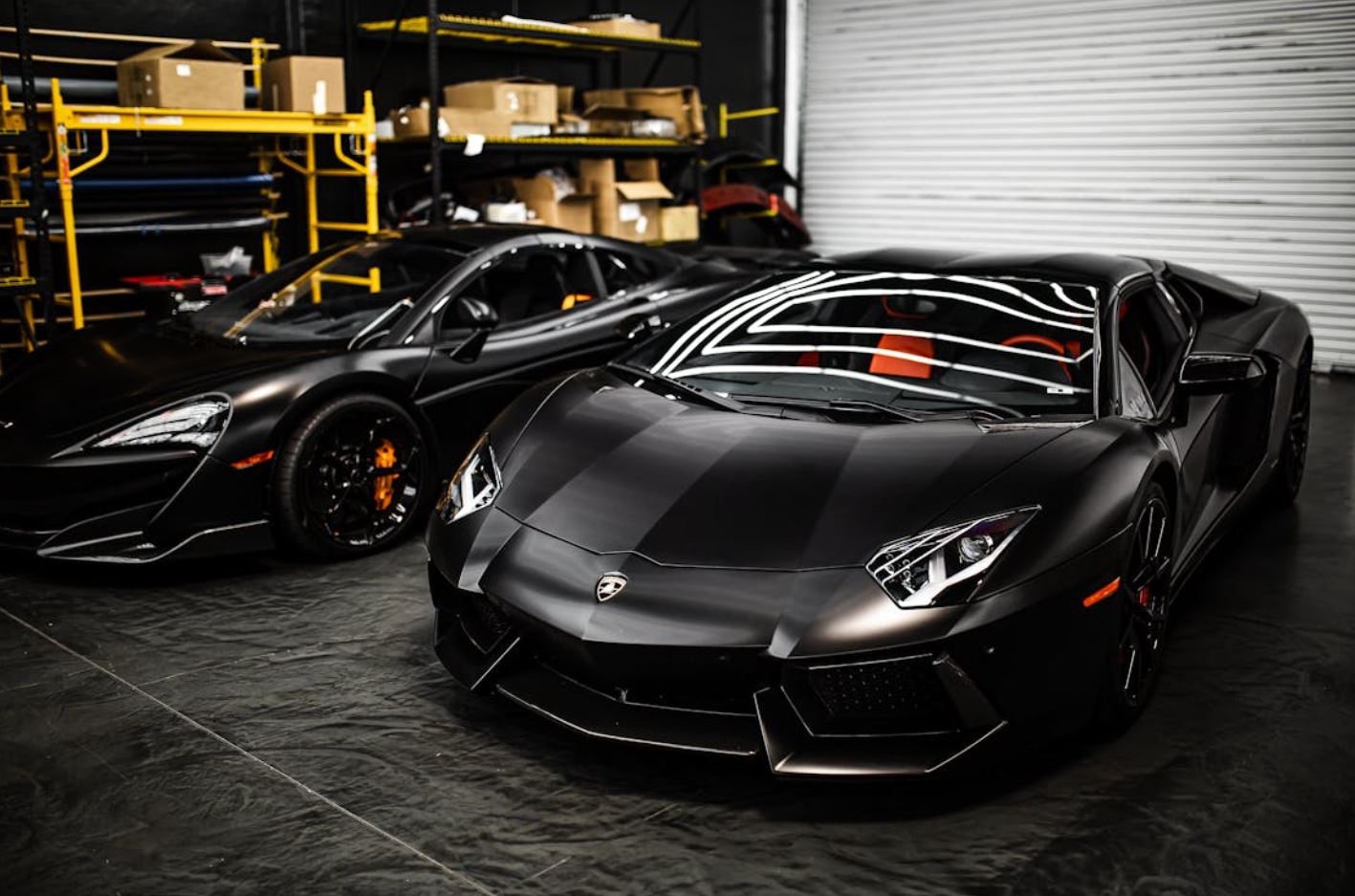
The system was designed to counter the increasingly elusive nature of gang-affiliated individuals, who often avoid fixed addresses, don’t answer phones, and operate under layers of anonymity. “These people are difficult to find,” Paulson explains. “They don’t live where they’re registered, and they don’t have traceable phone numbers. But their cars? They drive them down the street every day. They’re visible. That’s how we catch them.”
Currently, the Enforcement Authority seizes between 70 and 80 vehicles per month through this method. The logistical challenge is immense—storing, securing, and eventually auctioning off high-value cars requires coordination across multiple agencies. But for Paulson, it’s a necessary burden in the pursuit of justice.
A Message to Criminals: No More Flaunting
The goal is not just financial recovery—it’s deterrence. By stripping criminals of their flashy symbols of success, authorities aim to dismantle the culture of intimidation and ostentation that fuels gang influence.
“That’s exactly how it should be,” Paulson emphasizes. “There needs to be consistent, hard pressure on criminals so they can’t show off their bling-bling. These cars aren’t just transportation—they’re tools of power and fear.”
The strategy is part of a broader crackdown bolstered by Sweden’s updated forfeiture laws, which make it easier to seize assets presumed to be funded by illegal activity. Together, these measures are transforming how Sweden combats organized crime.
Legal Concerns and Public Backlash
Despite its effectiveness, the remote seizure program hasn’t been without controversy. Critics point to cases like that of a 25-year-old woman from Trelleborg, whose car was seized and sold at auction after she lent it to a friend who had outstanding debts. The incident sparked public outcry and raised questions about fairness and due process.
Paulson acknowledges the concerns but stands by the legality of the operations. “There was a lot of fuss about that case, and it’s understandable. But everything we do follows current legislation. Our decisions can be appealed—and they are, from time to time. We take accountability seriously.”
Still, the incident underscores the risks of a system that relies heavily on registration data and automated enforcement, especially when ownership and usage don’t align.
Expanding the Net: More Agencies, More Reach
Looking ahead, the scope of remote seizures is set to widen dramatically. A proposed legislative change—slated to take effect in July 2026—will extend the authority to conduct remote seizures beyond the police to include the Swedish Customs Service, the Economic Crime Authority, and even the Coast Guard.
For Paulson, this is a game-changer. “Then we’ll really get a kick out of this,” he says with evident enthusiasm. “Just imagine—the Coast Guard spotting luxury speedboats or jet skis used by criminals. These are the toys they use to flaunt their wealth. Now, we’ll have the power to take them too.”
A New Era in Crime Prevention
As Sweden intensifies its campaign against organized crime, the message is clear: ill-gotten luxury won’t go unchallenged. Through remote seizures, authorities are turning the criminals’ own symbols of power into tools of disruption.
“The bling-bling lifestyle is part of the problem,” Paulson says. “By taking it away, we’re not just recovering assets—we’re weakening their influence, one luxury car at a time.”
In Sweden’s evolving war on crime, the luxury vehicle is no longer a status symbol—it’s a liability.