
On a cold night in Warsaw, a shopping mall went up in flames. Security cameras later showed the culprits: two men in hoodies, amateurs in every sense. They weren’t spies in the classic sense—no training, no handler, no ties to Moscow that investigators could trace. They had been recruited in a Telegram chat, promised quick cash in cryptocurrency. Their job was simple: light the match, walk away.
This is how Russia is running intelligence operations in Europe now. Forget Cold War images of trench coats and dead drops. Think instead of a gig-economy platform. A task appears, money is promised, a willing stranger steps in. When one recruit is caught, another can be hired hours later, somewhere else.
The pattern is spreading. In Germany, cars belonging to Ukrainian volunteers were vandalized in coordinated strikes. The saboteurs weren’t hardened operatives. They were locals, lured by small sums of money sent over encrypted apps. In other countries, packages rigged to explode have been dropped in the mail system, sent by people who barely knew what they were handling. Each case looks isolated until you zoom out and see the fingerprints of a single invisible employer.
Former officers of Sweden’s security service, Säpo, say the country isn’t ready. Petter Larsson, who spent 15 years inside the agency, puts it bluntly: “If Swedish counter-intelligence doesn’t change tactics, we will lose.” He and his colleague Kennet Alexandersson describe a service still structured to fight the old war—patiently tracking long-term agents, mapping their networks, watching for the telltale signs of grooming. That world is vanishing.
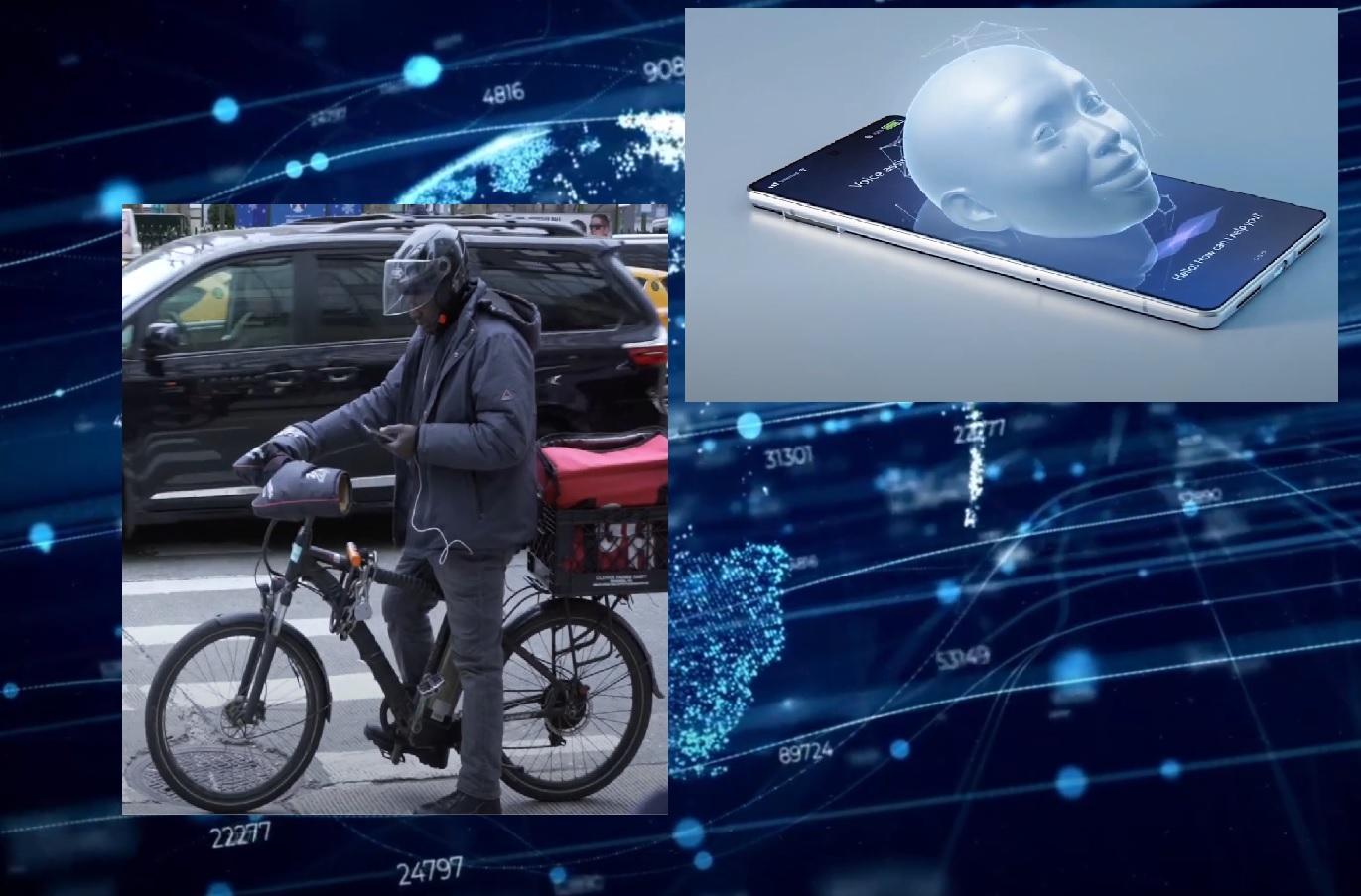
What’s taking its place is faster, cheaper, harder to detect. A recruit might be contacted through a gaming platform. A small transfer of cryptocurrency seals the deal. No names, no meetings, no ideology. Just a one-off job, as forgettable as delivering take-out or driving a ride-share shift. As Larsson warns, the people Russia hires this way are “disposable.” If they’re caught, they can’t name a handler. They never even knew one existed.
For Sweden, this is more than a tactical problem. It’s a strategic blind spot. Agencies like Säpo, Must, and the signals intelligence service FRA must now learn to scan vast flows of online chatter in real time, spotting a pattern before it sparks into action. That likely means deploying new surveillance technologies and AI tools—moves that immediately raise uncomfortable questions about privacy, legality, and democratic limits.
Europe is already seeing what happens when this model takes root: fires, bomb scares, low-level chaos designed to stretch security forces thin and create an atmosphere of vulnerability. It doesn’t take a master spy to achieve that anymore. It only takes someone willing to answer a message that looks like an easy side hustle.
The Cold War produced legends of espionage, figures who spent years in the shadows, living double lives. The new era won’t produce legends. It will produce the opposite: nameless recruits who appear for a single act, then vanish back into the crowd. That anonymity is the point.
The question now is whether Sweden—and Europe at large—can adapt quickly enough. Because Moscow already has.