
Outline of the “GREAT Trust” Plan
A controversial 38-page proposal, titled the Gaza Reconstruction, Economic Acceleration and Transformation Trust (GREAT Trust), is reportedly circulating within the Trump administration and envisions sweeping changes for postwar Gaza. The plan, which closely follows Donald Trump’s past statements, would see Gaza’s over two million residents temporarily relocated—either to other countries or to secured zones within Gaza—while the enclave is transformed into an international economic and tourism hub. The initiative promotes building AI-powered smart cities, luxury resorts, and industrial megaprojects, aiming to turn Gaza into a “Riviera of the Middle East”.
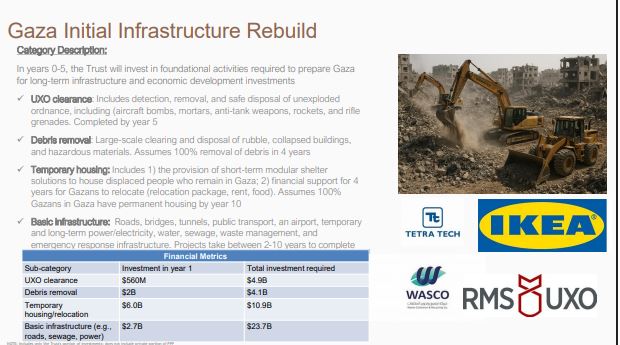
Business Aspirations and Ikea’s Response
The prospectus aspires to attract leading global companies, such as Tesla, Amazon Web Services, and Ikea, to invest in and fuel Gaza’s transformation. However, when questioned about its inclusion, a spokesperson for Ikea made it clear that the company has “not approved” any involvement in the project or authorized the use of its name in the proposal. This clarification comes amidst a widespread backlash regarding the plan’s ethical and legal foundations.

Highlights and Criticism
- The plan suggests that Palestinians who leave Gaza would receive $5,000 each, rent subsidies for four years, and a year of food, with organizers estimating a significant net saving for the trust per person relocated.
- Landowners would be paid with “digital tokens,” exchangeable for rights in the new developments, potentially traded for permanent housing or cash.
- The document outlines over ten megaprojects, including a Musk-branded manufacturing zone and major infrastructure named after Gulf leaders.
- Legal and humanitarian experts, as well as Arab leaders and international observers, have fiercely criticized the plan, describing it as unworkable, unethical, and contrary to international law due to its proposed mass relocation and commercial exploitation of occupied lands.
Involvement of International Actors
The financial architecture for the plan was developed by consultants formerly with Boston Consulting Group and reportedly involved input—though not formal endorsement—from staff at the Tony Blair Institute. The proposal has also been discussed with various former and current governmental figures but does not represent an official US government position at this stage.
Conclusion
The mention of high-profile corporations like Ikea has provoked public denials and exposed the ambitious yet deeply divisive nature of the Gaza “Riviera” reconstruction scheme. The initiative remains speculative, facing intense global scrutiny and legal scepticism while demonstrating the risks of using international brand names without consent in controversial political proposals.